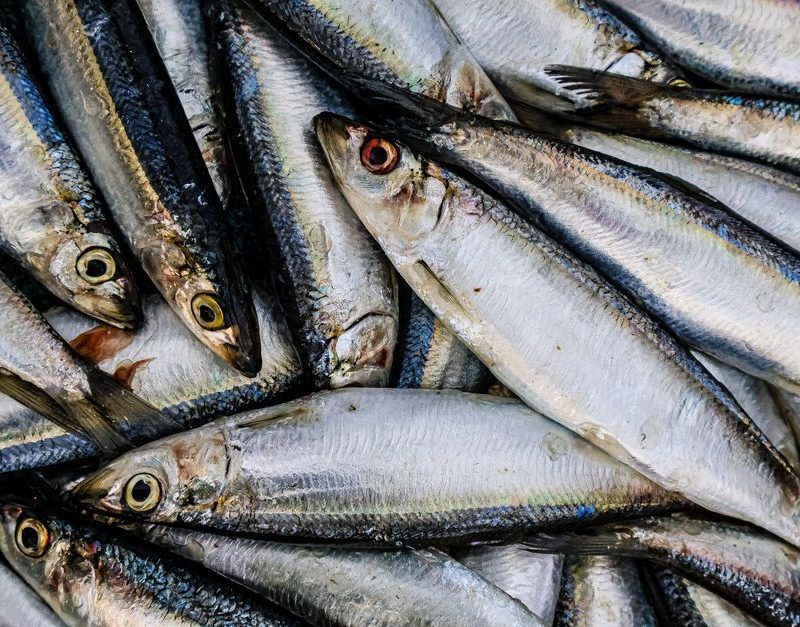
Wholewheat spaghetti with sardines and lemon is a good dinner for evenings when you want something full of flavour without making a long-simmered sauce. The pasta brings a pleasantly nutty bite, the sardines add richness, and lemon keeps everything lively. Here, a little garlic, parsley and reserved pasta water bring those ingredients together in a light coating that clings to the spaghetti.
The trick is to let some of the sardines soften into the sauce while keeping the rest in generous flakes. You get their savoury flavour throughout the pasta, with distinct pieces of fish to enjoy as well. This recipe serves two and takes around 25 minutes, with most of the preparation happening while the water comes to the boil.
Ingredients for two servings
- 180g dried wholewheat spaghetti
- 2 tins sardines in olive oil, approximately 120g each before draining
- 1 tablespoon olive oil from the sardine tins, or fresh olive oil
- 2 garlic cloves, peeled and finely sliced
- 1 unwaxed lemon, zest finely grated, plus 1–2 tablespoons juice to taste
- 1 tablespoon capers, drained and roughly chopped
- A small pinch of dried chilli flakes, optional
- 15g flat-leaf parsley, leaves and tender stalks finely chopped
- Freshly ground black pepper
- A little salt for the pasta water, if wanted
- About 200ml reserved pasta cooking water, added as needed
You will need a large saucepan, a wide frying pan and tongs or a pair of serving spoons. Have a mug ready beside the hob so you remember to save some cooking water before draining the spaghetti.
Get the sardines and lemon ready
Choose plain sardines in olive oil for this version so the garlic and lemon remain clear flavours. Drain the tins, reserving a tablespoon of oil if you want to use it for cooking. Tip the fish onto a plate and gently separate it into large pieces with a fork.
Tinned sardines often contain soft, edible bones. You can mash these into the fish or lift out the central backbone if you prefer a smoother texture. Check for any pieces you would rather remove before adding the fish to the pan.
Grate the lemon zest before cutting and squeezing the fruit. Use only the yellow surface, as the white pith underneath can taste bitter. Keep the zest and juice separate: the zest goes into the warm oil, while the juice is added towards the end so you can judge the balance.
How to make the spaghetti
- Start the pasta. Bring a large saucepan of water to the boil. Add a little salt if using, then the spaghetti. Stir as the strands soften and cook according to the packet instructions, checking a strand towards the end. It should be tender with a slight bite.
- Warm the garlic gently. Meanwhile, put the tablespoon of oil in a wide frying pan over a low to medium heat. Add the sliced garlic and cook for about 1–2 minutes, stirring, until fragrant and softened. Avoid letting it turn dark brown.
- Build the flavour. Add the capers, optional chilli flakes and lemon zest. Stir for about 30 seconds. Add roughly half the sardines and gently break them into smaller pieces with your spoon.
- Save the cooking water. Before draining the spaghetti, scoop out a mugful of its cooking water. Add about 75ml of that water to the frying pan and stir gently to loosen the sardine mixture.
- Bring everything together. Drain the spaghetti and transfer it to the frying pan. Toss over a low heat for a minute or two, adding more reserved water a splash at a time until the strands look glossy and move easily.
- Add the finishing ingredients. Fold in the remaining sardine pieces and most of the parsley. Warm through gently, then take the pan off the heat. Add 1 tablespoon lemon juice and a few grinds of black pepper.
- Taste and serve. Try a forkful that includes both pasta and fish. Add more lemon juice if needed, or another splash of cooking water if the sauce feels tight. Divide between warm bowls and scatter over the remaining parsley.
How to get a glossy sauce
The reserved cooking water is useful because its starch helps the oil and fish coat the pasta. Start with a modest amount, toss well, then add more only when the spaghetti needs it. You are aiming for moist, separate strands with a light coating, rather than a pool of liquid underneath.
Wholewheat spaghetti can absorb more liquid as it stands, so finish the dish slightly looser than you think necessary. If it looks dry while you are reaching for the bowls, a final spoonful of warm cooking water will help.
Keep the heat gentle once the fish goes in. The sardines are already cooked and only need warming. Stirring vigorously for several minutes will break all the pieces down, which loses the contrast between the sauce and the larger flakes.
Adjust the seasoning at the end
Sardines and capers already bring saltiness, so taste before adding extra salt. Lemon adds brightness, but too much can dominate. Begin with the smaller quantity of juice, toss thoroughly and taste again before squeezing in more.
What to serve alongside
A crisp vegetable side works well with the soft pasta and rich fish. Try sliced cucumber, radishes and little gem lettuce, dressed simply with a little olive oil. Alternatively, serve steamed green beans or broccoli with black pepper.
If you prefer to include vegetables in the pan, add a handful of baby spinach with the drained spaghetti and toss until wilted. Add it gradually so it mixes through evenly. Keep the lemon adjustment until the end, after the spinach has softened.
Simple variations
- With peas: Add 100g frozen peas to the pasta saucepan for the final few minutes, following their packet cooking instructions. Drain with the spaghetti, remembering to reserve the water first.
- Without capers: Leave them out and taste carefully at the end. The sardines, garlic and lemon still provide plenty of flavour.
- With sardines in spring water: Drain well and use a tablespoon of fresh olive oil for the garlic. Add the fish gently, as different tins vary in firmness.
- With short pasta: Use the same weight of wholewheat fusilli or penne. Their shapes catch the small sardine pieces well; follow the cooking time on the packet.
Storage and reheating
This pasta is best eaten straight away, when the sauce is loose and the parsley tastes fresh. If you have leftovers, divide them into shallow containers, cool promptly and refrigerate within two hours. Eat within two days.
Reheat only the portion you need in a covered frying pan with a splash of water. Stir gently and heat until steaming hot throughout, adding a little more water if the strands stick together. Reheat only once. A fresh squeeze of lemon after reheating can lift the flavour, but taste first because the original seasoning will still be there.