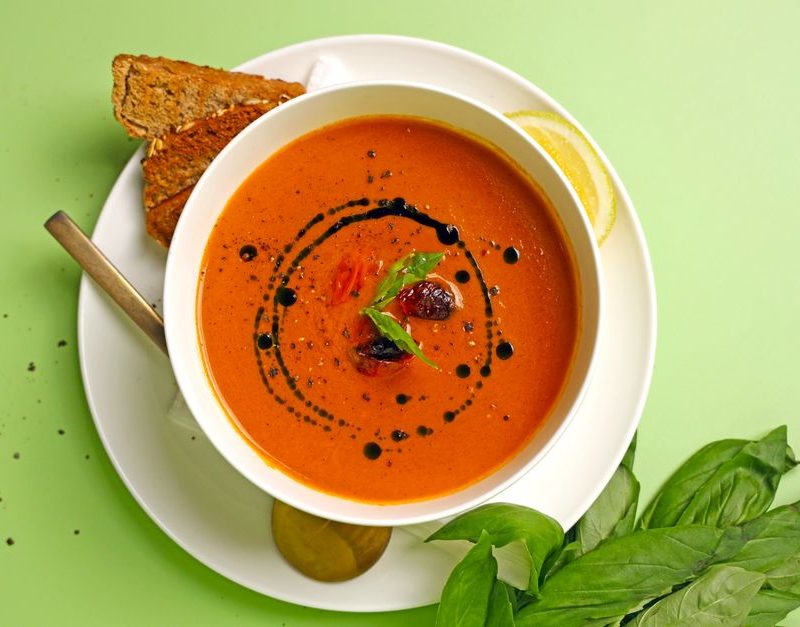
Tomato soup does not need a carton of heavy cream to taste creamy. The smooth texture comes from cooking the tomatoes long enough, blending them well, and adding a small amount of fat to round out their sharp flavor. This method gives you a thick, silky soup from ingredients that can sit in your pantry for weeks.
Why Tomato Soup Turns Creamy Without Heavy Cream
The common mistake is treating cream as the main source of richness. Cream softens acidity, but it does not create much tomato flavor. If the tomato base tastes thin or harsh, pouring in more dairy only hides the problem for a few minutes.
The real source of a smooth texture
Whole peeled tomatoes contain water, pulp, and natural pectin. Gentle simmering reduces excess water and gives the pulp time to soften. Olive oil adds a silky mouthfeel, while a small amount of onion brings natural sweetness. Blending breaks the softened vegetables into tiny particles, which makes the broth feel thicker without flour or cream.
How acidity and sweetness stay balanced
Canned tomatoes vary in acidity. Salt brings out their flavor, but it does not remove sharpness by itself. Cook the onion until translucent, then let the garlic cook for only 30 seconds so it does not become bitter. A pinch of sugar can help with very tart tomatoes, but add it only after tasting. For the best balance, use a modest amount of broth and finish with olive oil instead of diluting the soup with extra liquid.
My verdict: For a pantry-based soup with a clean tomato taste, skip heavy cream. Reduce the tomatoes properly, blend them hot but safely, and add richness at the end.
Which Pantry Ingredients Make the Best Tomato Soup?
Use one 28-ounce can of tomatoes, not several smaller cans with different liquid levels. The table below gives a dependable base for four bowls.
| Ingredient | Amount | What it does | Best swap |
|---|---|---|---|
| Muir Glen Organic Whole Peeled Tomatoes, 28 oz | 1 can | Sweet, bright tomato base | Cento San Marzano Tomatoes, 28 oz |
| Swanson Vegetable Broth, 32 fl oz carton | 1 to 1 1/2 cups | Controls thickness and adds savory flavor | Pacific Foods Organic Vegetable Broth, 32 fl oz |
| Yellow onion | 1 medium | Adds sweetness and body | 1 teaspoon onion powder |
| Garlic | 2 cloves | Adds sharp, savory depth | 1/2 teaspoon garlic powder |
| Extra-virgin olive oil | 2 tablespoons | Creates a smooth finish | 1 tablespoon unsalted butter |
| Dried basil | 1 teaspoon | Adds herbal flavor | 1 tablespoon fresh basil |
| Salt and black pepper | To taste | Sharpens every other flavor | None |
Choose canned tomatoes by texture
Muir Glen Organic Whole Peeled Tomatoes in a 28-ounce can work well when you want a balanced, everyday soup. Cento San Marzano Tomatoes in the same can size give a sweeter, less watery result when the tomatoes are high quality. Hunt’s Whole Peeled Tomatoes, also sold in a 28-ounce can, are a useful budget choice, but they may need a longer simmer if the liquid tastes thin.
Use broth as a control, not a fixed rule
Start with one cup of broth. You can thin the soup later, but you cannot remove extra liquid without more simmering. Swanson Vegetable Broth and Pacific Foods Organic Vegetable Broth both work as measured 32-fluid-ounce carton options. Choose the lower-sodium version if available so you can season the soup yourself.
How to Make Creamy Tomato Soup Step by Step
Use a heavy-bottomed saucepan, a wooden spoon, and an immersion blender. If you use a countertop blender, cool the soup slightly and blend in small batches. Never fill a sealed blender with boiling soup.
Cook the tomato base
- Warm two tablespoons of olive oil in a saucepan over medium heat.
- Add one diced medium onion and a pinch of salt. Cook for 6 to 8 minutes, stirring twice, until the onion looks soft and glossy.
- Add two minced garlic cloves and cook for 30 seconds. Stop before the garlic browns.
- Pour in the tomatoes and their juices. Crush whole tomatoes against the side of the pan with the spoon.
- Add one cup of vegetable broth, one teaspoon of dried basil, and 1/4 teaspoon of black pepper.
- Bring the mixture to a gentle bubble, then lower the heat. Simmer uncovered for 20 minutes.
Blend and season
- Turn off the heat and let the soup stop bubbling for two minutes.
- Blend directly in the saucepan until no large tomato pieces remain. Move the blender around the bottom so the onion gets fully puréed.
- Taste before adding more broth. Add it in 1/4-cup portions until the soup flows easily from a spoon but still coats it.
- Add salt gradually. Most cans and broths contain different amounts of sodium, so a fixed salt measurement can make one batch too salty.
- Return the soup to low heat for 2 to 3 minutes. Do not boil it hard after blending.
The best texture is thick enough to cling to a spoon and smooth enough to pour. If you want a restaurant-style finish, pass the blended soup through a fine strainer, but that step is optional.
What Makes Tomato Soup Thin, Bitter, or Grainy?
Fix the problem at its source. Most disappointing tomato soup comes from too much broth, scorched garlic, or rushed cooking.
Why is my soup watery?
You probably added all the broth at once or covered the pot while it simmered. Remove the lid and simmer for 5 to 10 extra minutes. If the soup still feels thin, blend in half a drained white bean or one small cooked potato. These additions thicken the soup without changing its tomato identity much.
Why does it taste bitter or sour?
Browned garlic causes bitterness, while underripe or very acidic tomatoes cause sourness. For bitter soup, add a small splash of olive oil and check the seasoning. For sour soup, add 1/4 teaspoon of sugar, taste, and repeat only once if needed. Do not add a large spoonful of sugar; it creates a sweet sauce rather than balanced soup.
Why does the soup separate after blending?
Oil can float when the soup is blended too aggressively or left boiling afterward. Lower the heat, blend again briefly, and stir in one tablespoon of warm broth. If you add cream, milk, or yogurt, keep the heat low and never let the finished soup boil. The clear winner for the most stable texture is a no-dairy finish with olive oil.
Which Variations Are Worth Making?
My strongest recommendation is the white-bean version. It adds body, fiber, and protein without turning the soup heavy. Add 1/2 cup of rinsed cannellini beans during the last five minutes of simmering, then blend them with the tomatoes. The soup becomes thicker and more filling while keeping the same basic flavor.
For a dairy-free creamy soup
Use olive oil and beans instead of cream. Coconut milk also works, but even a small amount adds a noticeable coconut taste, so it changes the dish rather than simply improving the texture. Cashew cream gives a rich result, but it requires soaking or high-speed blending. For a quick weeknight batch, beans are the better choice.
For a brighter summer version
Use canned tomatoes as the base and add fresh tomatoes only at the end. Chopped cherry tomatoes stirred into the hot soup bring fresh acidity and a little texture. Fresh basil should go in after the heat is off; prolonged cooking dulls its aroma. This version is best when the soup will be served immediately.
When not to change the recipe
Do not replace all the canned tomatoes with fresh tomatoes during winter. Out-of-season fresh tomatoes often contain more water and less flavor, so the soup needs longer cooking and extra seasoning. Do not add pasta directly to the pot unless you plan to eat the whole batch at once; the pasta absorbs broth and makes leftovers thick and dry. Keep the base simple, then add toppings to each bowl.
How to Store, Reheat, and Serve Tomato Soup
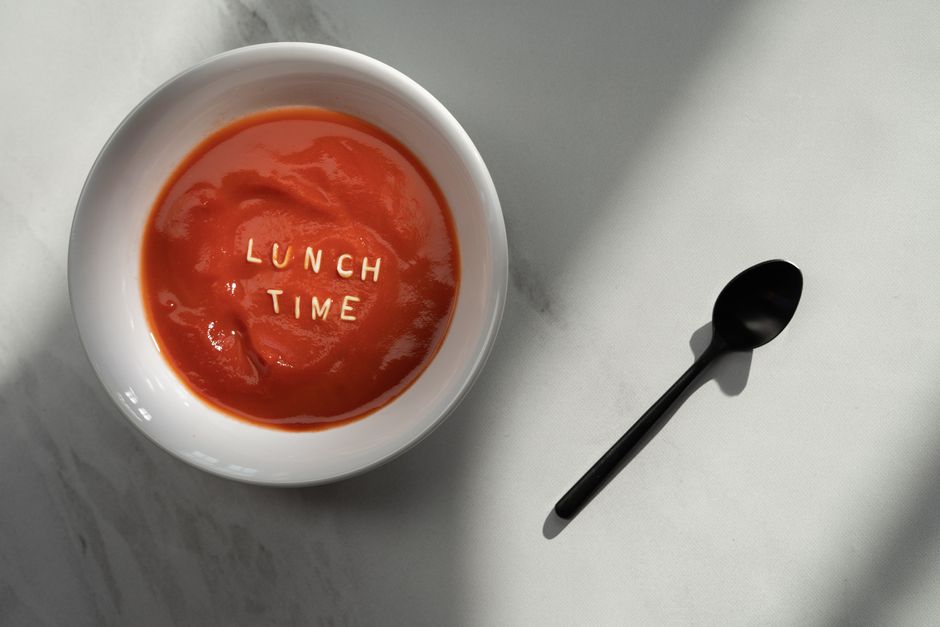
Cool the soup promptly in a shallow container, then refrigerate it within two hours. It keeps well for up to four days in the refrigerator. For longer storage, freeze it in single-serving containers with space at the top for expansion. A frozen batch keeps its best flavor for about three months.
| Storage method | Best timing | Reheating method |
|---|---|---|
| Refrigerator | Up to 4 days | Warm in a saucepan over medium-low heat, stirring often |
| Freezer | Up to 3 months for best quality | Thaw overnight, then heat gently |
| Single bowl | Same day | Microwave in 60-second intervals, stirring between intervals |
Keep the texture smooth after storage
Tomato soup often thickens in the refrigerator because the vegetable solids settle and the liquid firms up. Stir in one or two tablespoons of broth while reheating. If the soup contains dairy, use low heat to prevent curdling. If it contains beans or potato, blend in a little water until it returns to its original consistency.
Build a balanced bowl
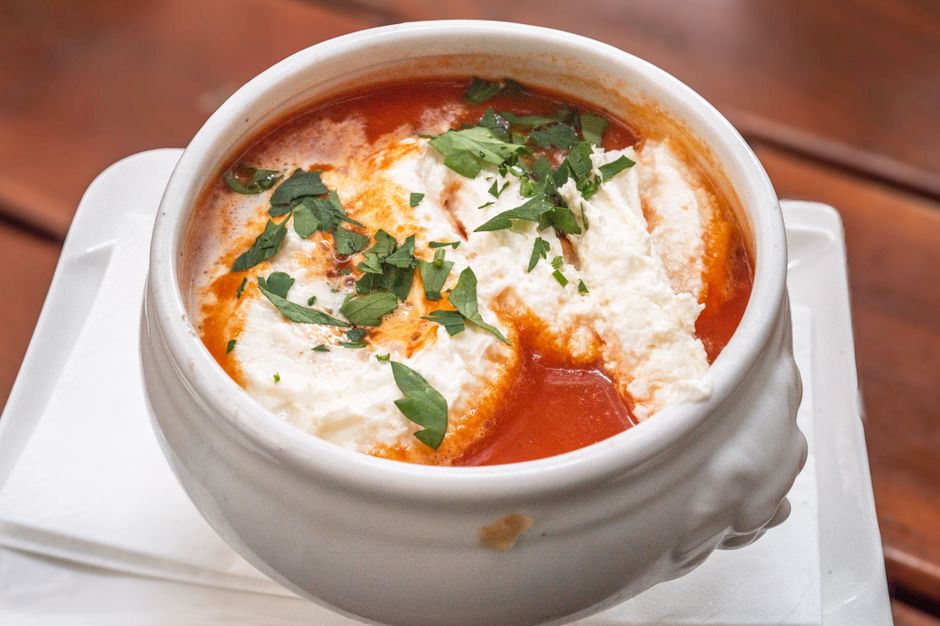
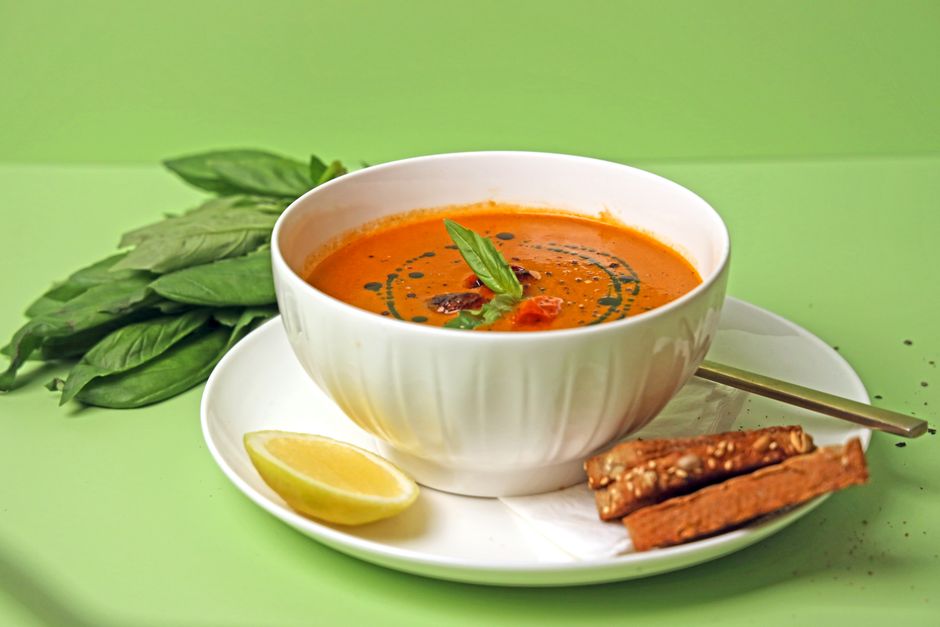
Serve the soup with toasted bread, a grilled cheese sandwich, or a small green salad. A drizzle of olive oil, black pepper, and fresh basil adds contrast without covering the tomato flavor. The rushed dinner that seemed to require heavy cream now has a better answer: a warm, smooth bowl made from seven ordinary pantry ingredients and a properly reduced tomato base.
Medical Disclaimer: This content is for informational purposes only and does not constitute medical advice. Always consult a qualified healthcare professional before making health-related decisions.