Getting started with batch cooking can be as simple as making extra portions of a dinner you already enjoy. You do not need a freezer full of matching tubs or an entire Sunday set aside. A useful first attempt is one familiar dish, cooked in a manageable quantity, with a clear plan for when you will eat the extra portions.
This guide focuses on that first small batch: choosing a suitable dish, checking your equipment, adjusting the cooking and learning from the result. The aim is to make cooking ahead feel achievable before you decide whether a bigger routine suits your household.
Give your first batch one clear job
Start by identifying a specific occasion when having dinner ready would help. Perhaps you arrive home late on Wednesdays, or you want something easy after an evening class. A batch with a purpose is easier to use than several containers made because you feel you ought to be organised.
Choose one dish you have cooked successfully before. Familiarity means you can concentrate on handling a larger quantity without also learning an unfamiliar recipe. A vegetable and bean casserole, a thick soup or a mince sauce can be a useful starting point because you can stir, taste and adjust them as they cook.
For this first attempt, avoid a recipe that depends on last-minute frying, a delicate sauce or a crisp coating. Those dishes can work well freshly cooked, but they add extra decisions when you are still finding your feet.
Count the portions before buying ingredients
Write down how many people will eat the dish now and how many future servings you actually want. For example, a recipe serving four might cover dinner for two tonight and another dinner for two tomorrow. You may already have a batch-sized recipe without needing to double anything.
Use your household’s usual appetites as a guide. Recipe serving numbers are starting points, and a dish served with bread or potatoes will stretch differently from the same dish eaten alone. Decide what will accompany it before choosing the batch size.
- Check the recipe’s original yield.
- Choose a realistic total number of servings.
- Calculate the ingredient quantities before starting.
- Write down when you intend to eat the extra food.
Keep the first increase modest. Moving from four servings to six is enough to practise scaling without turning an ordinary saucepan into an overflowing problem.
Check capacity before turning on the hob
Put your chosen pan on the worktop and consider how much space the uncooked ingredients will occupy. You need room to stir without spilling, particularly when vegetables are bulky before they soften. If everything will sit near the rim, reduce the quantity or use two pans.
A wider pan can make it easier to soften vegetables and reduce a sauce. A deep, crowded pan may hold plenty of food but trap more moisture, leaving ingredients steaming when the recipe expects them to fry. Pan shape matters as much as the number printed on its base.
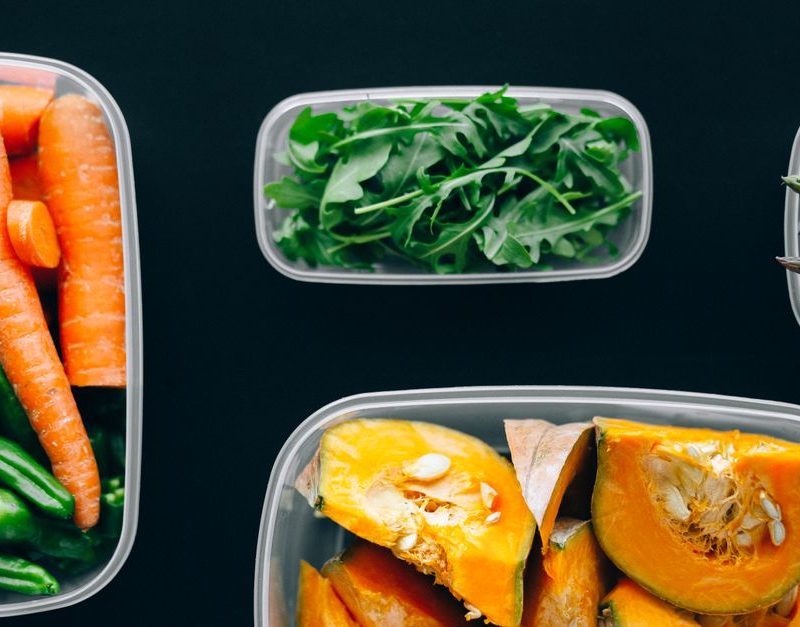
Set out clean containers before you begin, and check that you have space to chill the finished food. This small check prevents the awkward discovery that every suitable container is missing a lid while dinner is already bubbling.
Scale ingredients carefully, then cook by observation
For a straightforward stew or sauce, increase the main ingredients in proportion. If you are making one and a half times a recipe, multiply its vegetables, beans and other main ingredients by one and a half. Use written quantities rather than trying to remember adjustments while chopping.
Seasonings deserve a little more attention. Begin cautiously with salt, chilli and strongly flavoured ingredients, then taste towards the end. You can add more, but a heavily salted or fiercely hot batch is difficult to correct. Taste with a clean spoon each time.
Follow a tested recipe’s liquid quantities as a starting point, but watch the consistency. A different pan and a larger volume can change evaporation. If the mixture starts catching before the ingredients are tender, add a small splash of water and stir. If it remains watery, a little uncovered simmering may help.
Do not simply double the cooking time when doubling a recipe. A bigger panful may take longer to reach a simmer, but tenderness and doneness still need checking. Baking and dishes involving raw meat require particular care; use a recipe designed for the quantity and equipment rather than guessing.
Use a simple order of work
Your first session does not need several recipes running at once. Keep the work focused on one dish so you can notice what takes time and where your kitchen becomes crowded.
- Read through first. Check the ingredients, cooking stages and serving plan before opening packets.
- Prepare the basics. Wash produce, chop the vegetables and measure the ingredients you will need early in the recipe.
- Cook without crowding. Soften or brown ingredients in smaller batches if your pan needs it, then combine them as the recipe directs.
- Check the result. Make sure everything is cooked properly, then adjust the seasoning and consistency.
- Separate future servings. Set aside the extra food promptly in clean, shallow containers so cooling can begin.
Wash equipment during natural pauses, such as a gentle simmer, while continuing to supervise the cooking. Leaving yourself a clear surface makes the final portioning much easier.
Make the dish part of a satisfying meal
A batch dish does not have to contain every element of dinner. Think about what it already provides and what you would enjoy alongside it. A bean and vegetable casserole might need potatoes or bread; a vegetable soup may be more satisfying with a substantial sandwich.
Including vegetables, a protein source and a starchy food across the meal is a practical starting point for variety. Choose wholegrain accompaniments when you enjoy them, and use foods that fit your preferences. Batch cooking is a cooking tool, not a reason to follow a restrictive menu.
Build safe cooling into the session
Divide extra cooked food into smaller, shallow containers to help it cool quickly. Put it in the fridge or freezer within one to two hours of cooking. Do not leave a large pan sitting out all evening while you finish other jobs.
Eat refrigerated leftovers within 48 hours, or freeze them if that will not be possible. Label containers with the dish and cooking date. Defrost frozen portions in the fridge and use them within 24 hours of fully defrosting. Reheat only once, until steaming hot throughout, stirring where appropriate. Follow any stricter instructions for particular ingredients.
Let the second meal guide your next attempt
When you eat the extra portion, notice whether the quantity suited you and whether the dish still had a pleasant texture. Did it need a splash of water? Was there enough sauce? These observations are more useful than judging the batch by how tidy the containers looked.
Make one brief note beside the recipe, such as using a wider pan or making six portions next time. Repeat the same dish until the process feels comfortable. You can then add another reliable recipe gradually, building a small repertoire that earns its place in your kitchen.