Smoky aubergine and tomato stew brings together soft vegetables, a thick tomato sauce and the gentle warmth of smoked paprika. It is a satisfying dish to spoon over a baked potato or eat with bread, especially when you want something comforting that gives vegetables the starring role. There are no complicated spice mixtures here: onion, garlic and a few store cupboard ingredients give the aubergine plenty of flavour.
The useful trick is to brown the aubergine before it goes into the sauce. This gives the pieces golden edges while leaving them enough time to soften during simmering. You end up with tender chunks rather than a completely smooth mixture. A little lemon juice and parsley at the end keep the finished bowl tasting fresh.
A stew with aubergine at its heart
This recipe makes four servings with accompaniments. Allow about 15 minutes for preparation and 45 minutes for cooking, although the final simmer may take longer if your aubergines are particularly firm. A wide frying pan makes browning easier, and a large saucepan with a lid gives the vegetables room to simmer without spilling sauce over the hob.
The flavour is smoky rather than spicy. Choose sweet smoked paprika if you want a mild result, checking the packet because hot smoked paprika adds heat as well as smokiness. Leave chilli as an optional extra so everyone can adjust their own serving.
Ingredients
- 2 medium aubergines, about 700g in total
- 3 tablespoons olive oil, divided
- 1 large onion, finely chopped
- 3 garlic cloves, finely chopped
- 2 tablespoons tomato purée
- 2 teaspoons sweet smoked paprika
- 1 teaspoon dried oregano
- 2 x 400g tins chopped tomatoes
- 150ml water, plus extra if needed
- Half a teaspoon of salt, plus more to taste
- Freshly ground black pepper
- 1-2 teaspoons lemon juice, to taste
- A small handful of flat-leaf parsley, roughly chopped
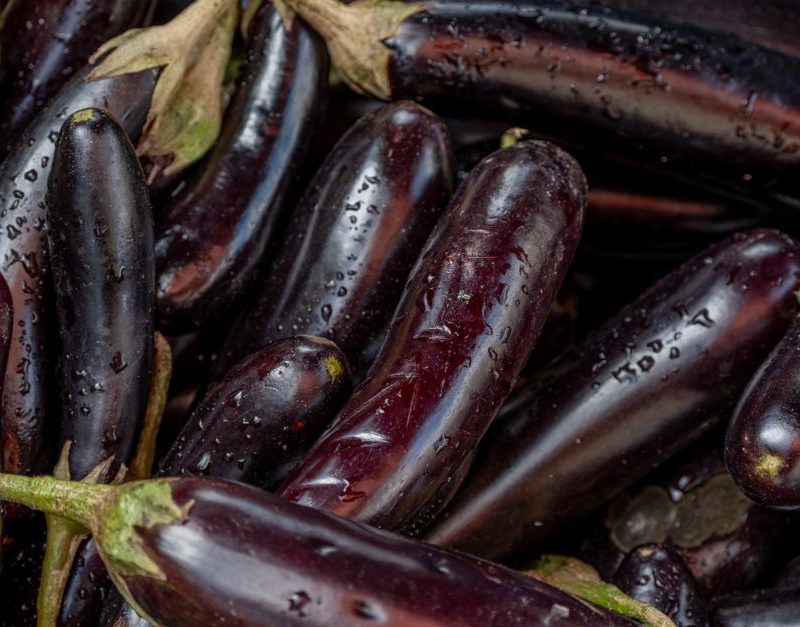
Keep the aubergine skin on: it helps the pieces hold their shape as the flesh softens. You do not need to salt and drain the cubes before cooking this recipe. Simply wash the aubergines, dry them and trim away the stalks. Tomato purée and chopped tomatoes have different jobs here, with the purée adding concentrated flavour to the sauce.
How to make the stew
- Cut the aubergines. Slice into roughly 2cm cubes, aiming for similar sizes so they soften evenly. Pat away any surface moisture. Divide into two batches, or three if your frying pan is small.
- Brown the first batch. Heat 1 tablespoon of olive oil in a wide frying pan over a medium-high heat. Add half the aubergine in a single layer. Cook for 7-9 minutes, turning occasionally, until golden in patches. Transfer to a plate. The centres will finish cooking later.
- Brown the rest. Add another tablespoon of oil and repeat with the remaining aubergine. Lower the heat if the pan starts smoking. If using three batches, share the same two tablespoons of oil between them.
- Soften the onion. Meanwhile, heat the remaining tablespoon of oil in a large saucepan over a medium-low heat. Add the onion and cook for 8-10 minutes, stirring regularly. If it catches, add a splash of the measured water. The onion should soften without becoming dark.
- Add the flavourings. Stir in the garlic and cook for 1 minute. Add the tomato purée and stir for another minute. Add the paprika and oregano, stir briefly, then immediately pour in the chopped tomatoes and remaining measured water. Add the salt and a few grinds of pepper.
- Simmer gently. Stir in the browned aubergine and any juices on the plate. Bring to a gentle simmer, cover loosely and cook for 20 minutes, stirring occasionally. Uncover and cook for another 5-10 minutes, until the sauce is thick and the aubergine is soft throughout. Add a little water if the mixture becomes too dry.
- Taste and finish. Press a piece of aubergine with a spoon: it should yield easily, with no firm, spongy centre. Keep simmering if needed. Stir in 1 teaspoon of lemon juice, taste and add the second teaspoon if you would like more brightness. Adjust the seasoning and scatter over the parsley.
Getting the texture right
Leave space for browning
Aubergine releases moisture as it cooks. If the pan is crowded, that moisture builds up and the pieces steam before they can colour. Work in batches and give each batch a little time between turns. Golden patches are enough; there is no need to brown every surface or create a crisp crust.
Let the sauce finish the cooking
Aubergine can look cooked outside while remaining firm inside. The gentle simmer is what turns those centres silky. If the sauce thickens before the vegetables are ready, add a splash of water, replace the lid and continue cooking. Stir along the bottom of the pan to stop the tomato sauce catching.
Add the paprika carefully
Smoked paprika can become bitter if left frying for too long. Have the tins open before you add it, then pour in the tomatoes straight after stirring the spice through. The lemon juice belongs at the end, when you can judge how much the cooked sauce needs.
What to serve alongside
Wholemeal bread is useful for scooping up the sauce, while couscous or bulgur wheat makes a soft base beneath it. Prepare grains according to the packet instructions. A baked potato is another easy option: split it open, spoon over the stew and finish with plain yoghurt if you like.
For a more substantial version, add a drained 400g tin of butter beans or chickpeas during the last 10 minutes of cooking. Stir gently, loosen with water if necessary and heat thoroughly. A crisp cucumber salad gives a pleasant contrast to the soft aubergine.
Simple variations
- Add a pepper: cook one sliced red pepper with the onion, allowing a few extra minutes for it to soften.
- Bring some heat: add a small pinch of chilli flakes with the paprika, or put them on the table for individual servings.
- Change the finish: use torn basil instead of parsley, or crumble a little feta over each bowl. Taste before adding extra salt when using feta.
Storage and reheating
Divide leftovers between shallow containers so they cool quickly, then refrigerate within two hours. Eat within two days, or freeze in portions for up to three months for best quality. Keep yoghurt and fresh herb toppings separate from the stored stew.
Defrost frozen portions in the fridge before reheating. Warm in a saucepan with a splash of water, stirring regularly until steaming hot throughout. Reheat only what you need and only once. Finish with freshly chopped parsley after heating, and serve with your chosen accompaniment.