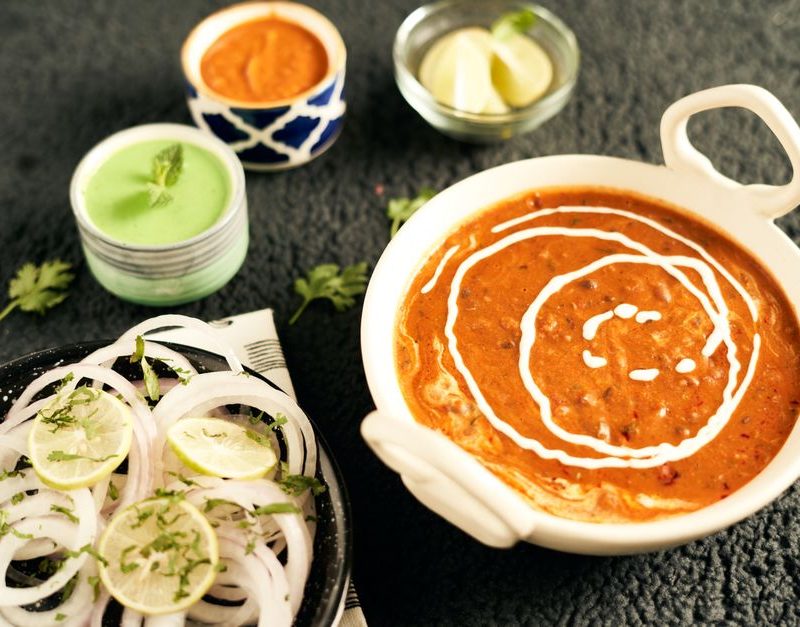
Soft red lentils, warming spices and a generous handful of spinach make a comforting supper that is easy to adapt to your appetite. This dhal has a thick, spoonable texture, with ginger running through the base and lemon added at the end. Serve it with rice, scoop it up with flatbread, or add a crisp cucumber salad alongside.
The focus of this recipe is getting the lentils properly tender before adjusting the consistency. Split red lentils break down as they simmer, so they create their own creamy texture without coconut milk or cream. Once you recognise the right softness, you can make the dhal thicker for scooping or slightly looser for spooning over rice.
Before you start
This recipe makes four servings with accompaniments. Allow around 15 minutes for preparation and 35 minutes for cooking, with a little flexibility if your lentils need longer. Use a large, heavy-based saucepan and a wooden spoon that can reach into its corners. Keep some extra hot water nearby for adjustments during cooking.
Choose dried split red lentils for this method. Whole green and brown lentils keep their shape differently and need different timings. You do not need to soak split red lentils, but rinsing them removes surface dust. Check the packet for any additional preparation instructions before you begin.
Ingredients
- 250g dried split red lentils
- 1 tablespoon rapeseed or olive oil
- 1 large onion, finely chopped
- 3 garlic cloves, finely chopped
- 25g fresh ginger, peeled and finely grated
- 1 teaspoon cumin seeds
- 2 teaspoons ground coriander
- 1 teaspoon ground turmeric
- A quarter teaspoon chilli flakes, or to taste
- 1 tablespoon tomato puree
- 2 medium tomatoes, roughly chopped
- 900ml hot water, plus extra as needed
- 200g fresh spinach, washed and roughly chopped if large
- 1 tablespoon lemon juice, plus extra wedges for serving
- Half a teaspoon fine salt, or to taste
- A small handful of fresh coriander, chopped, optional
To serve
- Cooked basmati or brown rice, or warmed wholemeal flatbreads
- Plain yoghurt or unsweetened plant-based yoghurt, optional
- Sliced cucumber or a simple tomato salad, optional
Method
- Rinse the lentils. Put them in a fine sieve, check for small stones or debris, and rinse under cold running water until the water looks much clearer. Leave to drain while you prepare the vegetables. Measure the spices before you start cooking, keeping the cumin seeds separate.
- Soften the onion. Heat the oil in your saucepan over a medium heat. Add the onion and cook for 8 to 10 minutes, stirring regularly, until soft and lightly golden. If it starts catching before it softens, lower the heat and add a small splash of water.
- Build the spice base. Add the cumin seeds and stir for 30 seconds. Add the garlic and ginger and cook for another minute. Stir in the ground coriander, turmeric and chilli flakes, followed by the tomato puree. Cook for 30 seconds, stirring, then add the tomatoes and cook for 2 minutes.
- Simmer gently. Stir in the drained lentils and 900ml hot water. Bring to a gentle boil, then lower the heat to maintain a steady simmer. Partly cover and cook for 20 to 25 minutes, stirring regularly. Add small splashes of hot water if the mixture thickens before the lentils soften.
- Check the lentils. Carefully taste a few. They should be completely tender without a firm or chalky centre. Continue cooking for another 5 to 10 minutes if necessary. Stir firmly to help them break down. If the dhal is watery once the lentils are soft, simmer uncovered briefly.
- Add the spinach. Fold in the leaves in two or three handfuls, letting each batch wilt before adding the next. Simmer gently for 2 to 3 minutes until the spinach is tender and evenly distributed. Stir across the bottom of the pan to prevent sticking.
- Finish and serve. Stir in the lemon juice and salt, then taste and adjust to suit you. Rest off the heat for 5 minutes. Check the thickness again, adding a little hot water if needed. Scatter over the coriander, if using, and serve with your chosen accompaniments.
Getting the texture right
Keep the heat steady
A fierce boil can evaporate the water before the lentils soften. Look for small bubbles breaking steadily across the surface. As the mixture thickens, reduce the heat if it begins spluttering and stir more frequently. Scrape gently along the base and into the corners, where thick patches tend to collect.
Judge softness before thickness
A thick pan of lentils is not necessarily a cooked pan of lentils. If they still taste firm, add more hot water and give them time. Once soft, they should lose their separate shapes as you stir. You can leave some texture in the dhal rather than trying to make it completely smooth.
The dhal continues thickening as it stands, so take it off the heat while it is a little looser than your ideal serving consistency. If you are serving it with flatbread, a thicker finish works well. For rice, you may prefer enough liquid for the dhal to settle around the grains.
What to serve alongside
Rice and cucumber make a straightforward combination: the rice catches the sauce, while cucumber provides a crisp contrast. A spoonful of plain yoghurt is especially welcome if you have added extra chilli. Offer lemon wedges separately so everyone can adjust the sharpness of their own bowl.
For a meal with more vegetables, add roasted cauliflower or carrots. Keep their seasoning simple because the dhal already carries plenty of spice. Warm flatbread also works well, particularly when the dhal is thick enough to scoop. Choose whichever accompaniment suits what you already have in the kitchen.
Simple variations
- Frozen spinach: use 150g frozen chopped spinach instead of fresh. Add it when the lentils are soft and simmer until fully defrosted and piping hot throughout, allowing extra cooking time as needed.
- A gentler flavour: omit the chilli flakes while retaining the ginger, cumin and coriander. Offer chilli separately at the table.
- Tinned tomatoes: replace the fresh tomatoes with 200g chopped tinned tomatoes. Adjust the final consistency with extra water or a little uncovered simmering.
Storage and reheating
Divide leftover dhal into shallow containers so it cools promptly. Cover and refrigerate within two hours, then eat within two days. Alternatively, freeze individual portions for up to three months. Store cooked rice separately and follow its own cooling and storage guidance.
Defrost frozen dhal in the fridge before reheating. Warm it in a saucepan with a splash of water, stirring frequently until piping hot throughout. It will be much thicker when cold, so loosen it gradually as it heats. Reheat only the amount you need and only once. Finish with fresh lemon juice if you want a brighter flavour.