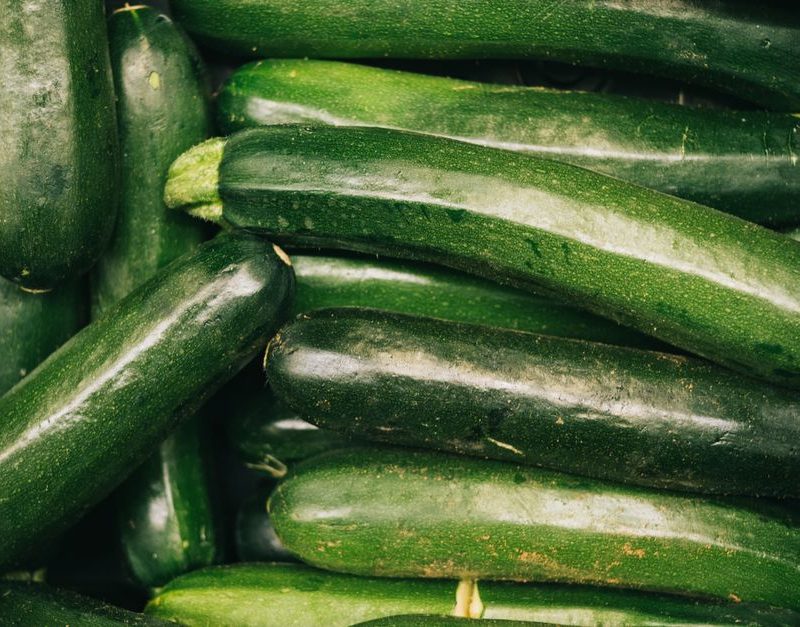
Courgette and lemon linguine makes a fresh, satisfying supper from a short shopping list. Tender courgette slices mingle with long strands of pasta, while lemon zest, garlic and basil give the dish its character. A little grated cheese and some pasta cooking water create a glossy coating without a separate cream sauce.
The most useful part of this recipe is learning how to cook the courgettes before bringing everything together. Give them enough space for their moisture to evaporate and they develop lightly golden edges instead of becoming watery. Have the lemon and cheese ready before draining the linguine, and the final toss will take only a few minutes.
Courgette and Lemon Linguine
Serves: 2 generously. Preparation: about 10 minutes. Cooking: about 20 minutes. You will need a large saucepan, a wide frying pan, a fine grater and kitchen tongs or two large serving spoons.
Ingredients
- 200g dried linguine
- 2 medium courgettes, about 450g altogether
- 2 tablespoons olive oil
- 2 garlic cloves, peeled and finely sliced
- 1 lemon, washed and dried
- 30g Parmesan or vegetarian Italian-style hard cheese, finely grated
- A small handful of fresh basil leaves, roughly torn
- A small pinch of dried chilli flakes, optional
- Freshly ground black pepper
- Salt, for the cooking water and to taste
Choose a vegetarian hard cheese if you want a vegetarian meal, as traditional Parmesan uses animal rennet. Keep a little extra cheese for serving if you like. You will also use some starchy water from the pasta saucepan, so place a mug nearby to remind you to save it before draining.
Prepare the courgettes
Trim the ends, cut each courgette lengthways in half, then slice into half-moons about 3mm thick. There is no need to peel them. Similar-sized pieces cook evenly and are easy to catch on a fork with the pasta. Dry the vegetables after washing so you are not introducing extra water to the frying pan.
If your courgette is particularly large with a spongy, seedy centre, scoop out that soft section before slicing. Use enough of the remaining flesh to give roughly the weight listed above. Smaller, firmer courgettes can go straight into the pan once trimmed and sliced.
Method
- Bring a large saucepan of water to the boil. Meanwhile, finely grate the yellow zest from the lemon, avoiding the white pith underneath. Squeeze the juice into a separate bowl and remove any pips. Keeping zest and juice separate makes it easier to adjust the flavour later.
- Heat the olive oil in a wide frying pan over a medium-high heat. Add the courgettes and spread them out. Cook for 8 to 10 minutes, turning every couple of minutes, until tender with some golden edges. If the pan is small, cook in two batches, dividing the oil between them.
- Reduce the heat to medium-low and return any cooked courgettes to the pan. Add the garlic and optional chilli flakes. Stir for 1 to 2 minutes until fragrant, keeping the garlic pale rather than allowing it to brown.
- Meanwhile, salt the boiling water lightly and add the linguine. Stir to separate the strands and follow the packet cooking time, checking a minute early. The pasta should be almost ready, with a slight firmness remaining in the centre.
- Scoop out a mugful of cooking water before draining the linguine. Add the drained pasta to the courgette pan with the lemon zest, 1 tablespoon of lemon juice and 3 tablespoons of pasta water. Toss over a low heat for about a minute.
- Take the pan off the heat. Add the grated cheese in two additions, tossing thoroughly between them. Add further splashes of warm cooking water as needed, until the strands look glossy and move easily when lifted with the tongs.
- Fold in most of the basil and add black pepper. Taste the pasta with a piece of courgette, then adjust with more lemon juice or a small pinch of salt. Divide between warm bowls, scatter over the remaining basil and serve immediately.
Getting the texture right
Allow moisture to escape
A crowded pan can leave courgettes sitting in their own liquid. Keep the pan uncovered and let visible puddles evaporate before adding the garlic. Turn the slices occasionally rather than stirring constantly, giving them time against the hot surface. You want tender vegetables with a little colour, rather than a completely browned batch.
Add the cheese gently
Finely grated cheese spreads through pasta more easily than thick shavings. Add it away from strong heat, with enough water to keep the strands loose. If the linguine starts sticking together, add another spoonful of reserved water and toss again. The coating should cling to the pasta rather than form a deep pool underneath it.
Build the lemon flavour gradually
Zest gives fragrance, while juice supplies acidity. Starting with a tablespoon of juice leaves room to adjust, especially when lemons vary in size. Taste a complete forkful before adding more. If the flavour seems too sharp, loosen the pasta with a splash of cooking water and taste again before reaching for extra seasoning.
Serving ideas and simple variations
Serve the linguine with a tomato salad or a bowl of crisp leaves. For a more substantial version, stir a drained tin of cannellini beans into the courgettes after cooking the garlic. Let the beans heat through before adding the pasta, and keep extra cooking water available to loosen the larger quantity.
- Try wholewheat linguine: substitute the same weight and follow its packet timing. Its fuller flavour works well with the lemon zest and herbs.
- Change the herbs: use a small handful of chopped flat-leaf parsley in place of basil, adding it at the same stage.
- Add crunch: finish each bowl with a tablespoon of toasted pumpkin seeds just before serving.
- Make it dairy-free: omit the cheese, choose pasta without egg and finish with an extra drizzle of olive oil. Adjust the salt and lemon after tossing.
Leftovers and storage
This pasta has its best texture straight from the pan, but leftovers can make a useful lunch. Cool promptly in shallow containers and refrigerate within two hours. Eat within two days, keeping any extra cheese separate until serving. If you only need one portion, halving all the ingredient quantities is straightforward.
Reheat in a frying pan with a splash of water, covering briefly to help the strands soften. Stir and separate the pasta until steaming hot throughout, then serve immediately. Reheat only once. A few fresh basil leaves or a little lemon zest will refresh the flavour at the table. Freezing is possible, although the courgettes become softer and the linguine loses some of its bite, so this is a particularly good recipe to cook in the quantity you need.