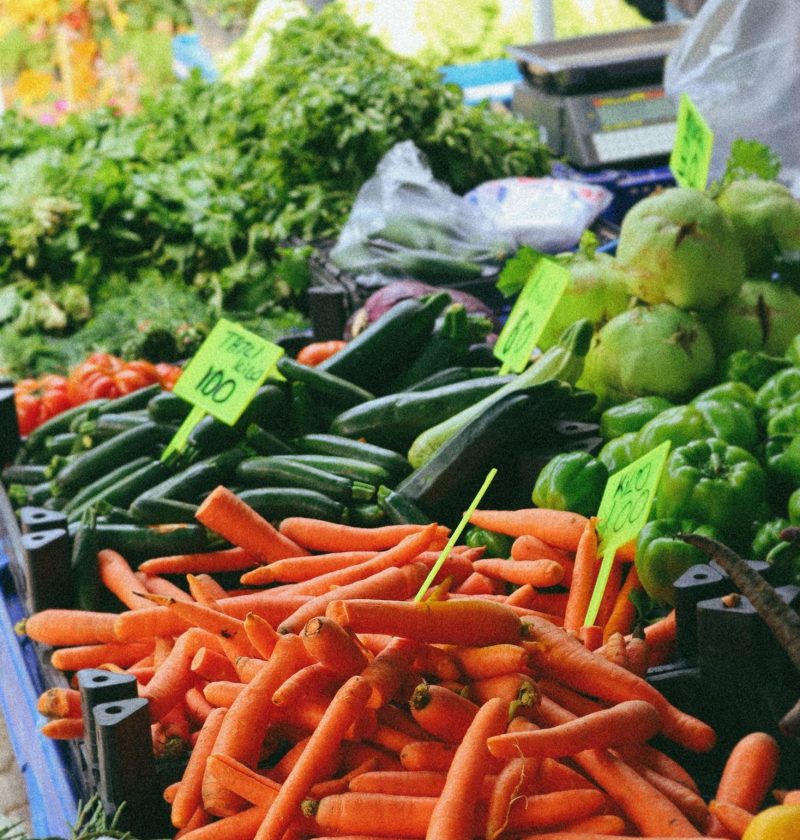
Seasonal shopping becomes useful when you know what to do with the vegetables after bringing them home. A market display may offer tender greens, dense roots, and watery summer vegetables, but they will not all behave well on the same crowded tray. Instead of following a fixed seasonal calendar, look at what is available locally and match its texture to a cooking method.
Use Local Availability as the Starting Point
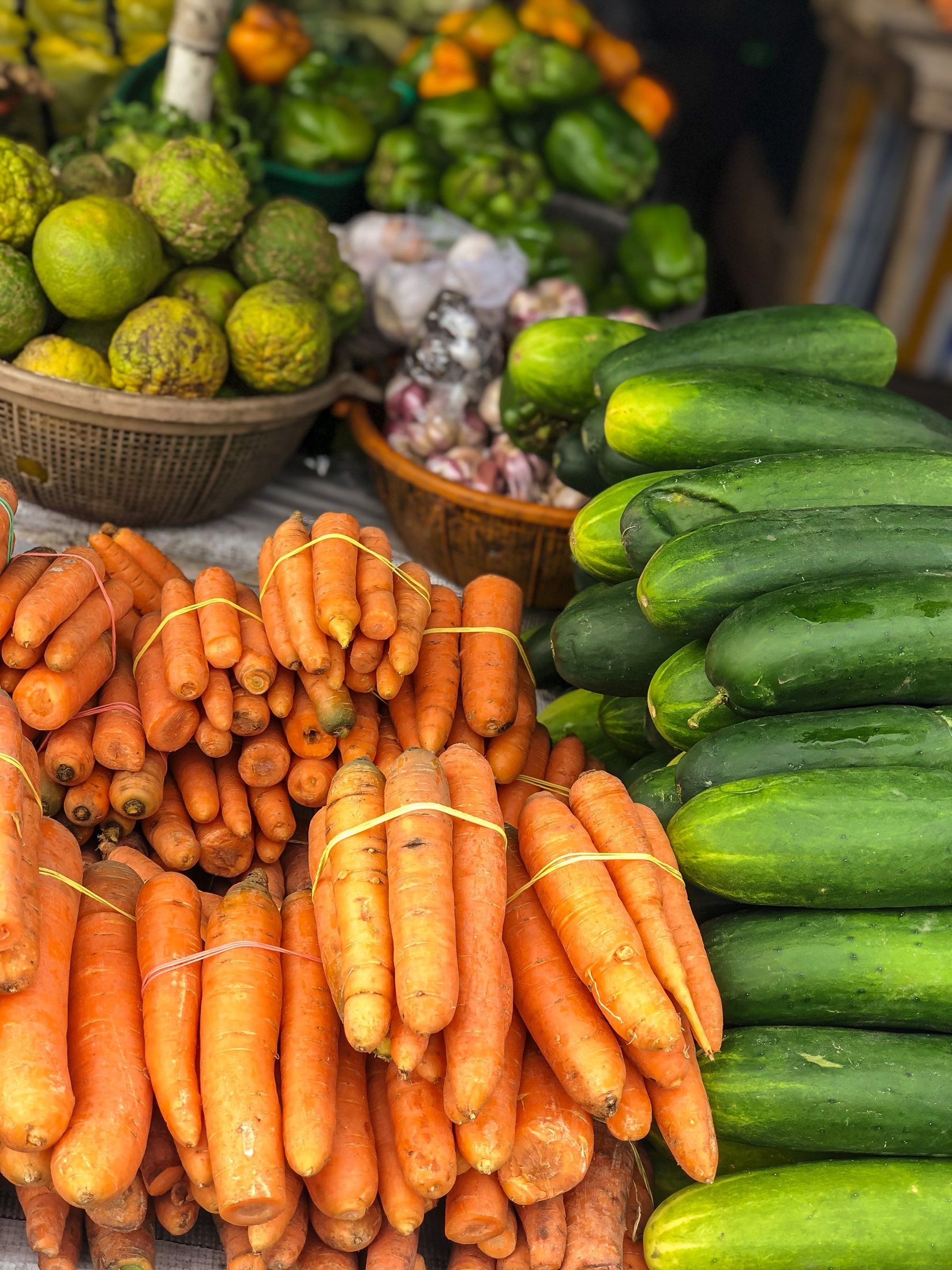
Seasons differ with climate, growing conditions, and region. A vegetable described as a spring favorite in one place may arrive at another time elsewhere. Ask what is locally available, inspect its condition, and choose something that fits the meals you expect to cook.
Do not buy several unfamiliar vegetables simply because they are displayed together. Choose one, identify its edible parts and usual preparation, and give it a specific dinner role. A small quantity used confidently is more practical than a refrigerator drawer filled with produce waiting for inspiration.
Roast Dense Vegetables With Enough Space
Carrots, squash, beetroot, and similar dense vegetables can suit roasting when cut into reasonably consistent pieces. Different vegetables may still need different cooking times, so separate them on the tray or add quicker pieces later. A small carrot cube and a large squash wedge will not finish together simply because both are roots or storage vegetables.
Leave space rather than piling vegetables into a deep mound. Crowding traps moisture and makes browning less predictable. Turn or rearrange as appropriate for the recipe, and judge tenderness with a utensil rather than relying only on surface color. A dark edge can coexist with a firm center.
Cook Tender Vegetables Briefly and Attentively
Asparagus, young greens, and thin green beans often suit quicker methods such as steaming or a short skillet preparation. Prepare the rest of the meal first so the vegetables do not wait in a hot pan while a grain finishes cooking.
Check thickness when estimating timing. A thick asparagus stem and a thin one need different attention, even from the same bunch. Trim appropriately and cook in manageable batches if necessary. Season near serving with an ingredient that fits the meal, such as herbs, lemon, or a simple dressing, rather than covering delicate flavor with several heavy additions.
Manage Water in Softer Vegetables
Courgettes, mushrooms, tomatoes, and other moisture-rich vegetables can release substantial liquid during cooking. Decide whether that liquid belongs in the dish. In a stew or sauce, it may be useful; on a roasting tray or in a pan intended for browning, it can work against the result you want.
| Vegetable character | Useful method | Main adjustment |
|---|---|---|
| Dense and firm | Roasting or braising | Consistent pieces and enough time |
| Tender and thin | Steaming or quick skillet cooking | Finish close to serving |
| Moisture-rich | Sauce, stew, or spacious pan | Decide where released liquid should go |
Use the vegetable’s behavior to guide the method rather than treating every mixture as a universal stir-fry.
Braise Sturdy Leaves and Firm Stems
Sturdy cabbage, kale, and chard can suit a gentler covered cooking method with a small amount of liquid. Separate thicker stems from leaves when they need a head start. This prevents tender leaves from cooking for the entire time required by the firmer parts.
Build a simple flavor base with onion, garlic, or suitable spices, then add the vegetables and liquid according to the recipe. Check occasionally rather than allowing the pan to dry unnoticed. A braised vegetable can become a meaningful part of dinner alongside beans, eggs, tofu, potatoes, or bread, not merely a forgotten side.
Serve Raw Vegetables With Preparation in Mind
Some vegetables suit thin slicing, grating, or chopping for a raw accompaniment. Think about ease of eating: a finely shredded cabbage slaw differs from large dense pieces. Dress close to serving when you want crispness, or follow a recipe designed for advance dressing.
The FDA recommends washing produce before preparation and removing damaged areas. Keep raw accompaniments away from equipment used for raw meat. Clean preparation matters even when the vegetables came from a familiar grower or your own garden; local origin is not a substitute for handling.
Let One Purchase Support Two Different Meals
A cabbage can become raw slaw and a cooked skillet component. Carrots can be roasted for dinner and grated into a fresh accompaniment another day. Assign the uses before preparation so you do not cook the entire purchase when part would be more useful raw.
- Check local availability rather than a universal calendar.
- Choose a method for firmness and moisture.
- Separate parts with different cooking times.
- Coordinate vegetables with the rest of dinner.
- Store unused portions appropriately.
Keep a short note when a method works well. Over time, that practical knowledge makes seasonal shopping more flexible than collecting a new recipe for every vegetable you encounter.