A hot day can change an ordinary routine surprisingly quickly. A short shopping trip takes longer, the bus feels stuffy, and an afternoon in the garden becomes harder work than expected. Staying hydrated on hot days starts with planning for those moments: having a drink within reach, knowing where you can refill it, and making space to cool down. You do not need an elaborate drinks routine to prepare for warmer weather.
Plan around the heat
Your fluid needs can change with the weather, your activity and how much you sweat. A quiet afternoon in a cool room is different from carrying shopping uphill or working in a warm kitchen. Rather than treating every day as identical, look ahead at where you will be and what you will be doing.
Before leaving home, check the forecast and think about access to drinking water. A journey with several changes, a long queue or a delayed appointment can leave you away from a tap for longer than planned. Take water even when the trip looks short, particularly if you are travelling with someone who relies on you for drinks.
Keep drinking opportunities easy to reach
Drink regularly through the day, with extra attention during hot weather and activity. Small, comfortable drinks at frequent opportunities may fit your day better than realising late in the afternoon that you have barely stopped. Avoid turning hydration into a challenge to finish a large container as quickly as possible.
Place a glass or bottle where you actually spend time. At home, that might be beside your chair rather than in the kitchen. At work, keep it somewhere permitted and easy to reach. If your job restricts drinks near equipment, agree a practical place and regular opportunities for water breaks.
- Have a drink with meals and during breaks.
- Refill your bottle before leaving a building with drinking water.
- Keep a separate supply available for a delayed journey.
- Use a gentle reminder if busy tasks make you forget to pause.
These are prompts, not rigid rules. Choose the ones that remove an actual obstacle in your day, and change them when your routine changes.
Choose straightforward drinks
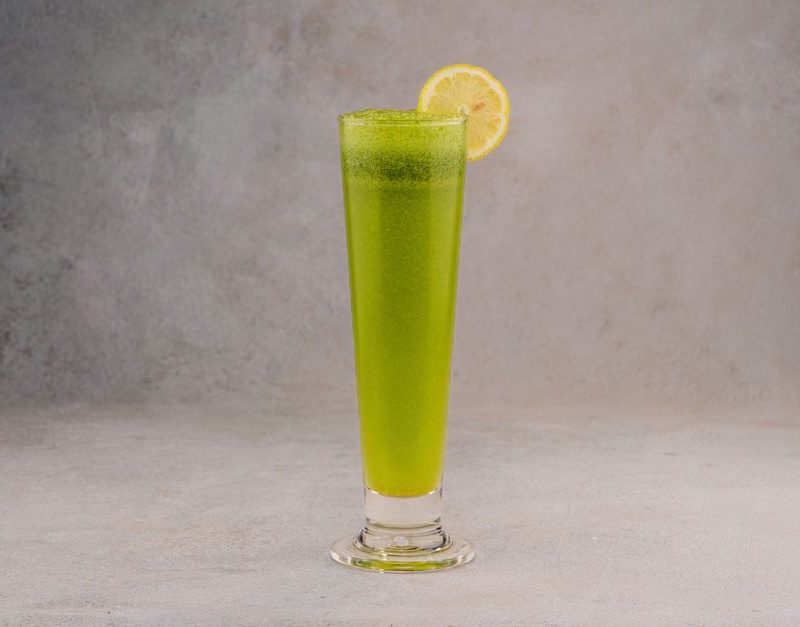
Plain drinking water is a practical starting point. Keep some chilled if you prefer it cool, or use an insulated bottle when you will be away from a fridge. There is no need to make every glass interesting or buy special products for an ordinary warm day.
If you enjoy other drinks, consider how they fit alongside water and meals. Keep water readily available during social occasions, and limit alcohol in hot weather. A cold alcoholic drink can feel refreshing without being a sensible way to manage the heat.
For a picnic or shared outing, pack water that everyone can access easily. Check whether your destination has working refill points rather than assuming that a park, beach or sports ground will have a convenient tap. Pack cups if they make sharing a larger container easier.
Make breaks part of outdoor activity
Drinking and cooling down belong together. Taking a bottle outside does not remove the need for shade, rest and sensible timing. Where possible, move gardening, walks and other physical tasks to a cooler part of the day, and shorten or postpone demanding activity when conditions are uncomfortable.
Before starting, decide where you can stop. A shaded bench or a cool indoor space can make a route more manageable. If you are exercising with others, agree that anyone can call for a break without needing to keep up with the group.
For prolonged, strenuous activity with heavy sweating, hydration planning becomes more individual. Seek qualified advice appropriate to the activity rather than copying someone else’s drinking schedule or assuming a sports drink makes exertion in extreme heat safe.
Keep meals manageable in warm weather
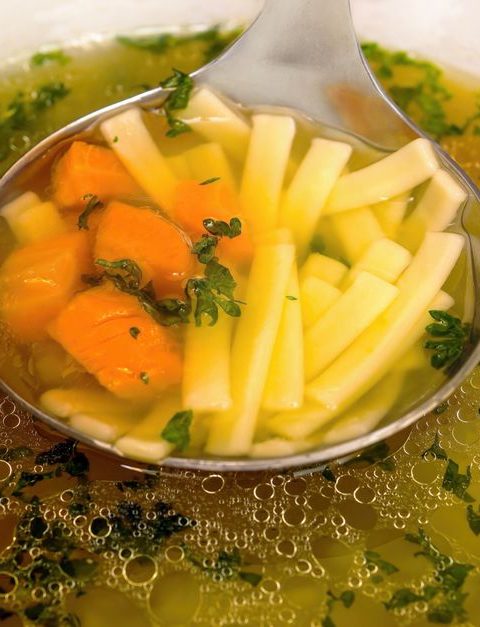
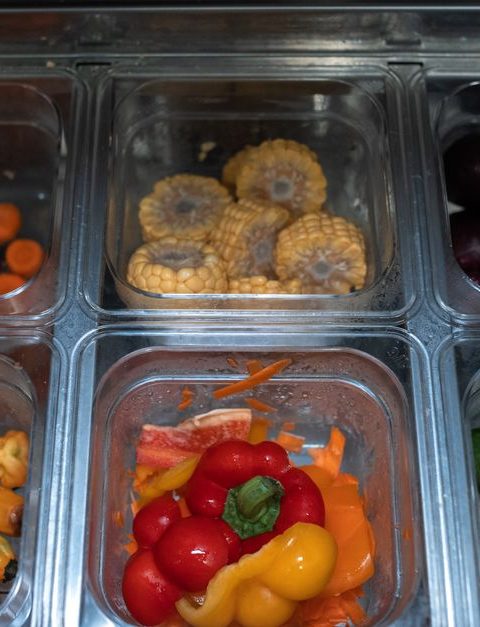
Food can contribute fluid as well as providing a reason to sit down and take a break. Watermelon, cucumber, tomatoes, yoghurt and soups are examples you might enjoy in warmer weather. Include them because they suit your appetite and meals; keep drinks available alongside them.
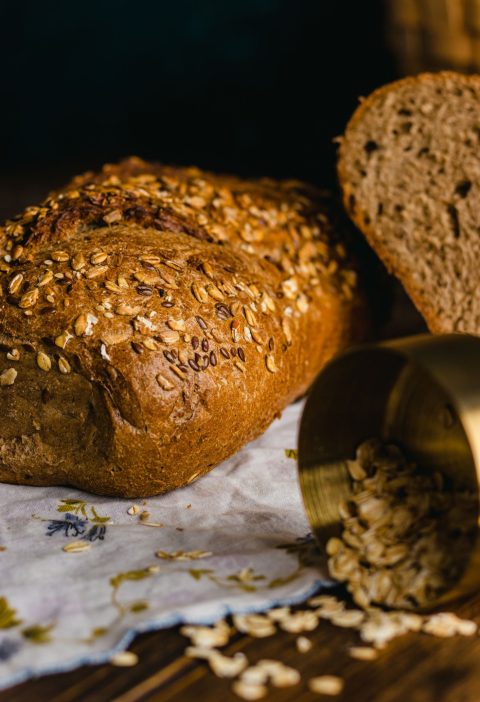
A simple lunch could be a bean salad with tomatoes and cucumber, bread, and a glass of water. For supper, try a baked potato with a cool yoghurt topping and salad, or a familiar meal prepared during the cooler part of the day. You do not have to replace proper meals with drinks when the weather changes.
Keep chilled food refrigerated until needed, and use a cool bag with ice packs when carrying it out. Choose smaller serving dishes for outdoor meals so the remaining food can stay chilled.
Notice when someone needs more support
Children, older people and people with certain long-term health conditions may need extra attention during hot weather. Someone with limited mobility might be unable to reach a jug or refill a glass. Offer drinks and practical help, and check that the cup or bottle is comfortable for them to use.
If you care for a child, build drink breaks into play and outings rather than relying on them to stop an absorbing game. Advice for babies differs from advice for older children and adults; ask a health visitor about feeding and hot-weather needs rather than applying an adult routine.
If you have been told to restrict fluids, follow your individual care plan. Ask your GP or registered dietitian how to handle hot weather with a specific health condition, and ask a pharmacist about medicine-related concerns. Do not change prescribed medicines yourself.
Respond if the heat makes you feel unwell
Thirst, a dry mouth, darker urine or passing urine less often can be signs that you need more fluid. They are useful prompts to pause, but they do not explain every symptom. If you feel unwell, stop what you are doing, move somewhere cooler and seek advice when needed.
Get urgent medical advice for dizziness on standing that does not go away or unusual drowsiness. Confusion, a seizure or loss of consciousness in hot conditions needs emergency help: call 999. Do not give drinks to someone who is unconscious.
Leave yourself ready for tomorrow
At the end of the day, wash your bottle and lid thoroughly, let them dry, and put them somewhere visible for the next outing. Check that anyone you support has drinks within reach. A little preparation makes the next hot day easier to manage, especially when plans change or the weather stays warm for longer than expected.