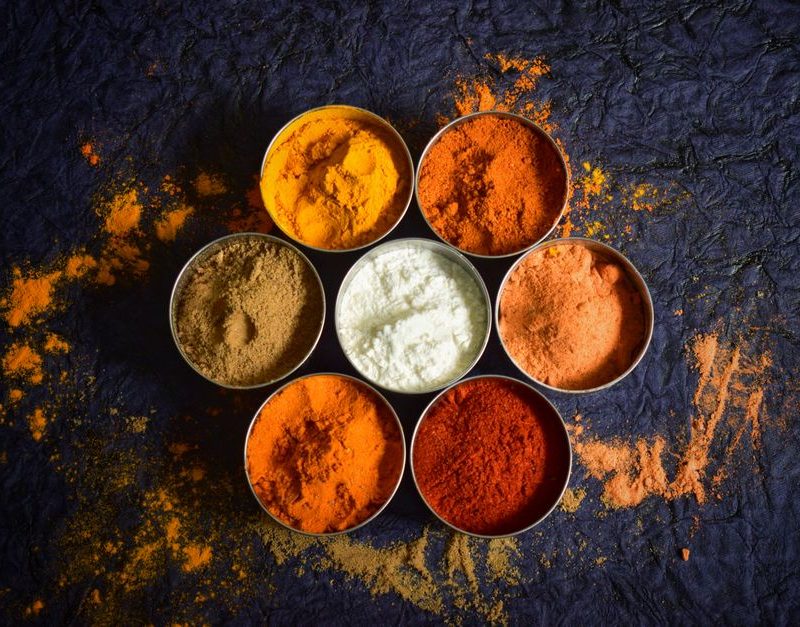
Warming spices can make a simple pan of vegetables, a bowl of lentils or a fruit pudding feel rounded and inviting. Their appeal comes from aroma as much as heat: cinnamon smells sweet, cumin tastes earthy, and cardamom brings a fragrant lift. Learning when to add them, and how gently to handle them, gives you more control than adding another spoonful at the end. This guide focuses on those small cooking decisions, so you can use the spices you already have with greater confidence.
Start with the flavour you want
In cooking, “warming” usually describes a flavour or aroma rather than a promise about what a food will do for your body. Many warming spices are mild; others bring a noticeable bite. You can enjoy their character without making every meal hot or heavily spiced.
- Cinnamon: woody and sweet-smelling, useful with fruit, squash, tomato sauces and slow-cooked beans.
- Cumin: earthy and savoury, a good partner for chickpeas, carrots, lentils and aubergines.
- Ground ginger: dry and peppery, well suited to baking, stewed fruit and vegetable dishes. Fresh ginger has a brighter, juicier character.
- Cardamom: fragrant and slightly citrusy, lovely with pears, rice and milky puddings.
- Cloves: intense and aromatic, best used sparingly in long-cooked dishes or fruit compotes.
- Nutmeg: rounded and woody, useful in small amounts with cauliflower, spinach and creamy sauces.
You do not need all of these. Choose two or three that match the food you regularly cook, then learn how they behave before expanding your collection.
Choose whole or ground to suit the dish
Whole spices release their flavour gradually and are useful when a dish has time to simmer. A cinnamon stick can sit in a pot of poaching fruit, while lightly crushed cardamom pods can perfume a saucepan of milk. Count larger whole spices as you add them and remove them before serving; biting into a clove or cardamom pod can be unpleasant.
Ground spices spread through food quickly. They are convenient for roasting vegetables, stirring into sauces and mixing into batter. They also catch on a hot pan more readily than whole spices, so have your next ingredient ready before you add them.
There is no need to replace every ground spice with a whole version. Ground cumin is practical for an everyday tray of vegetables, while whole cumin seeds give a different texture and a more distinct burst of flavour. Choose the result you want.
Use heat to bring out aroma without burning
Dry-toast whole spices briefly
For a recipe that calls for toasted seeds, put them in a dry frying pan over a gentle to medium heat. Move them around and watch closely. Take the pan off the heat as soon as they smell fragrant and have coloured slightly, then tip them onto a plate so the residual heat does not keep cooking them. Cool before crushing or grinding.
Toasting is optional, not a requirement for every meal. Avoid it when you cannot give the pan your attention. Seeds that have turned black or smell acrid will bring bitterness to the finished food.
Let ground spices meet a little oil and moisture
When making a stew, soften the onion first, then lower the heat and stir your ground spices into the oily onions briefly. Add tomatoes, stock or another wet ingredient once the spices smell fragrant. This short stage helps distribute their flavour through the dish.
If the pan looks dry, add a splash of water before anything sticks. You are aiming for a fragrant mixture, not a dark crust of spice powder. If the spices burn, start that stage again in a clean pan; extra liquid will not remove the burnt taste.
Build a small combination with a clear purpose
It is easy to lose individual flavours by using too many spices at once. Begin with one main spice and one supporting note. For a small saucepan serving two, a quarter teaspoon of a ground spice is a cautious starting point, with much less of powerful cloves or nutmeg. This is a tasting guide, not a universal recipe: freshness, other ingredients and your preferences all matter.
- Earthy and rounded: cumin with a small pinch of cinnamon for beans or roasted carrots.
- Bright and fragrant: ginger with lightly crushed cardamom for pears or a rice pudding.
- Gentle and woody: cinnamon with a little nutmeg for pumpkin or a vegetable sauce.
Check spice blends before adding individual spices alongside them. A blend may already contain cinnamon, cumin or cloves, and doubling those up can make one flavour dominate. Some blends also contain salt or sugar, which changes how you season the rest of the dish.
Adjust your approach to the cooking method
For roasting
Toss vegetables with a little oil and your chosen ground spices until evenly coated. Spread them out so they roast evenly. Keep an eye on small pieces and any powder left on the exposed tray, which can scorch before the vegetables are tender. If your oven runs hot, use a gentler temperature and allow more time.
For soups and stews
Add the main spices early enough to cook with the vegetables and liquid. Taste again towards the end: simmering and evaporation can change the balance. If you want more spice, cook a small extra pinch gently in a little oil in a separate pan, then stir it through and simmer briefly. A large spoonful of raw powder added just before serving can taste dusty.
For fruit and creamy dishes
Use a light hand so the fruit or sauce remains the main flavour. Infuse milk gently with whole spices, then strain before using it. For stewed fruit, start with one cinnamon stick or a little ground ginger and taste once the fruit softens. Sweet-smelling spices add aroma, but they do not automatically replace sweetness in every recipe.
Correct the balance before adding more
If a dish tastes flat, first consider whether the spice is actually missing. A little lemon juice can brighten a heavy stew, while fresh parsley or a spoonful of plain yoghurt can provide contrast. These additions change the balance without adding another layer of spice.
If you have overdone it, increase the unspiced part of the dish: add more cooked beans, vegetables, tomatoes or sauce as appropriate. Yoghurt may soften the overall impression when it suits the meal, but it will not erase an overpowering clove flavour. Diluting gradually is usually more useful than trying to cover one strong flavour with another.
Keep your spices ready for everyday cooking
Store spices in tightly closed containers in a cool, dark cupboard, away from the hob and steam. Spoon them into a dish rather than shaking the jar over a steaming pan. Label anything you decant so you can identify it easily.
If a spice has very little aroma, it may contribute little flavour. Buy modest amounts that suit your cooking habits and check what you have before shopping. Try one familiar ingredient with one different spice this week: cumin with carrots, cardamom with pears or nutmeg with cauliflower. Repeating a simple pairing helps you recognise the point at which the flavour feels just right.