A handful of herbs can make a familiar meal feel fresh without changing the whole recipe. The easiest place to begin is with something you already cook: a jacket potato, scrambled eggs, a bowl of pasta or beans warmed for lunch. Think of herbs as an ingredient you can reach for as naturally as pepper or a squeeze of lemon.
The trick is to give each bunch a job in your everyday cooking. You do not need an extensive collection or complicated sauces. Start with one herb, learn where you enjoy it and build from there. These ideas focus on making herbs useful throughout the day, with simple combinations you can adapt to what is already in your kitchen.
Choose one bunch with several meals in mind
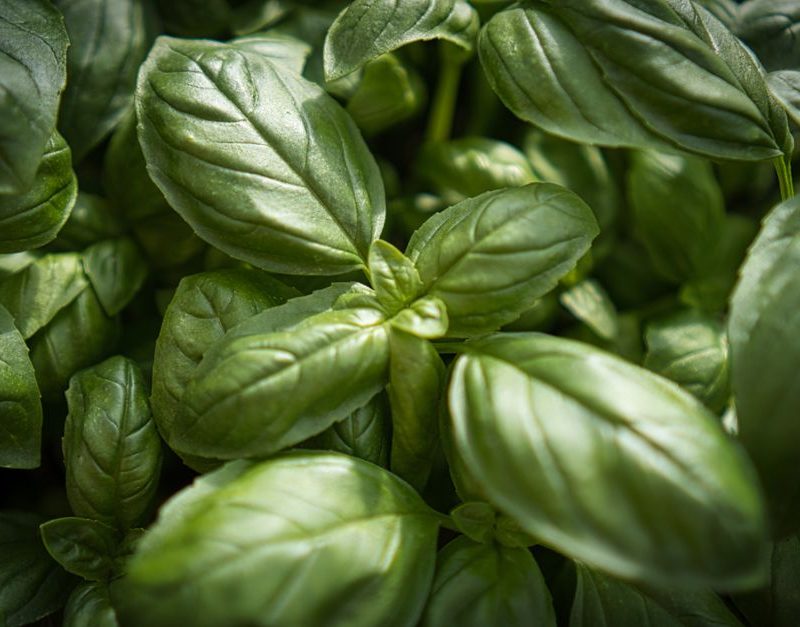
Before buying fresh herbs, picture two or three meals you could add them to. Parsley is a flexible starting point if you eat potatoes, beans, soups or eggs. Mint suits peas, cucumber, yoghurt and fruit. Basil works particularly well with tomatoes, pasta and soft cheeses.
If you enjoy coriander, try it with lentils, noodles and vegetable curries. If you dislike its flavour, choose another herb that suits the dish or leave it out. You do not need to like every herb to make good use of them.
- Chives: snip over eggs, baked potatoes or cottage cheese.
- Dill: fold into yoghurt, add to cucumber or scatter over cooked fish.
- Rosemary: finely chop a little for roast potatoes, mushrooms or beans.
- Thyme: add to simmering vegetables, lentils or tomato sauce.
Begin with a small amount, taste and add more if you want it. A little rosemary can carry plenty of flavour, while a generous handful of parsley may work comfortably in a family-sized dish.
Know when to add the leaves
Keep tender herbs for the finish
Basil, mint, parsley, coriander, dill and chives generally give their freshest flavour near the end of cooking or just before serving. Stir parsley through cooked lentils after taking the pan off the heat. Tear basil over pasta when it is ready to eat, or snip chives over eggs on the plate.
Try dividing a handful: stir some into the warm dish, then scatter the remainder over the top. This spreads the flavour while keeping a fresh finish. For cold dishes, fold herbs through shortly before eating if you want the leaves to retain their shape.
Give firmer herbs time in the pan
Rosemary, thyme and sage suit dishes that spend longer cooking. Add thyme to a simmering sauce, or finely chopped rosemary to vegetables before roasting, coating it with the cooking oil. Keep exposed leaves from scorching and remove tough stalks before serving.
Dried herbs are useful too. Add dried oregano or thyme early enough to soften and spread their flavour through a sauce. They are more concentrated than fresh leaves, so start with a pinch instead of replacing a handful of fresh herbs with the same volume of dried ones.
Find a place for herbs at breakfast and lunch
Herbs need not wait for dinner. Chives take moments to add to scrambled eggs, while parsley works in a cheese toastie. For a savoury breakfast, spoon plain yoghurt into a bowl, add chopped cucumber and dill, and serve with wholemeal toast.
At lunch, try mint in a pea-filled wrap or parsley in a tuna sandwich filling. A few torn basil leaves can freshen a mozzarella and tomato sandwich. Keep the combination simple enough that you can notice what the herb contributes.
A jacket potato is another useful starting point. Mix chives into plain yoghurt, spoon it over the split potato and add beans or cooked vegetables. This changes the flavour of an ordinary lunch without requiring a separate recipe.
Fold herbs through everyday ingredients
If herbs always sit on the surface, some mouthfuls will contain plenty and others none. Chop and fold them through food when you want an even flavour. Try parsley with couscous, dill with cooked potatoes, or coriander with beans and sweetcorn.
For two servings of warm butter beans, gently heat a drained 400 g tin with two tablespoons of water and a teaspoon of olive oil. Take off the heat and stir in two tablespoons of chopped parsley and a squeeze of lemon. Add a little water if the beans seem dry. Serve on toast or alongside cooked vegetables.
For a quick side, cook 200 g frozen peas following the packet instructions. Drain, roughly crush with a fork and fold in a tablespoon of chopped mint. Serve with your usual dinner, or spoon onto toast with crumbled feta.
Make a simple herby yoghurt topping
A small bowl of herby yoghurt gives you something to spoon over roasted vegetables, baked potatoes or lentils. Make a modest quantity while you discover which combinations you enjoy.
- Put four tablespoons of plain yoghurt in a bowl.
- Stir in one tablespoon of finely chopped mint, dill or chives.
- Add one teaspoon of lemon juice and a little black pepper.
- Taste and adjust the herbs or lemon. Loosen with a teaspoon of water if needed.
Keep refrigerated until serving, use a clean spoon and follow the yoghurt’s storage instructions and use-by date. An unsweetened dairy-free alternative also works if you like its flavour.
Make the next handful easy to use
Wash fresh herbs under running water and dry well before chopping. A clean tea towel or salad spinner helps remove moisture. Use a sharp knife, or kitchen scissors for chives and small amounts of parsley. Finely chop tender parsley and coriander stalks into cooked dishes; discard woody stems.
Follow packaging instructions for storage. Many cut herbs keep conveniently in a container in the fridge with kitchen paper to absorb excess moisture. Check them regularly and discard any that become slimy or mouldy.
When you open a bunch, decide where the remainder will go. Parsley used with beans today can join eggs tomorrow. Mint from a yoghurt topping can go with sliced strawberries or cucumber. For surplus leaves, freeze small chopped portions in water and add directly to simmering soups or sauces. Freezing softens their texture, so save these portions for cooking.
Choose one familiar meal to try first. Once adding herbs feels easy there, bring the same bunch to another meal and let your favourite combinations develop through tasting.