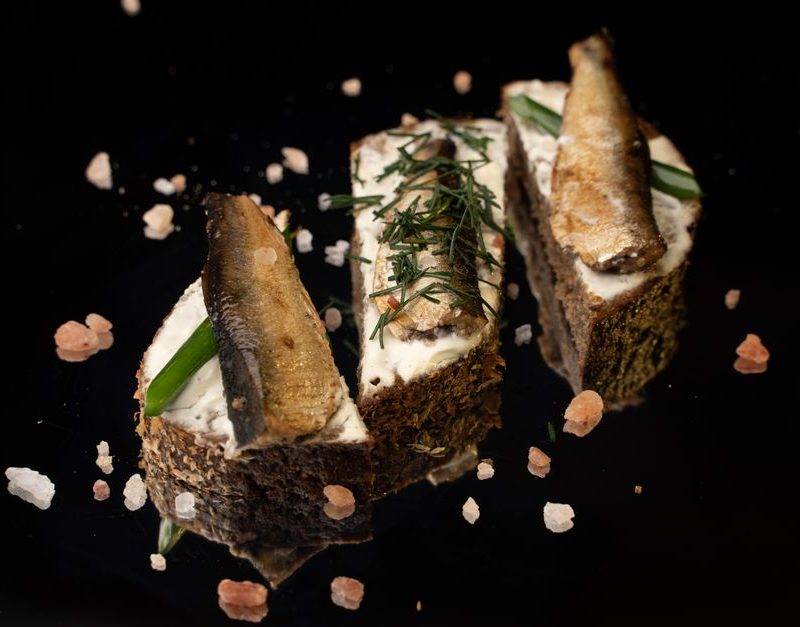
Smoked mackerel pâté on rye is a satisfying lunch built around contrasts: creamy fish, sharp lemon, sturdy bread and crisp vegetables. You need very little equipment, and the only cooking involved is toasting the bread if you prefer it that way. This version uses a fork to keep some of the mackerel in soft flakes, with chives and a little horseradish folded through the creamy base.
Rather than treating the vegetables as decoration, serve a generous handful alongside each slice. Cucumber and radishes give a fresh crunch that works particularly well with the smoky fish. You can put everything on a board for people to assemble themselves, or spread the rye just before bringing it to the table.
Smoked mackerel pâté on rye
Serves: 4 as a light lunch. Preparation time: about 20 minutes, plus optional toasting. You will need a mixing bowl, a fork, a fine grater and a sharp knife.
Ingredients
- 250g ready-to-eat hot-smoked mackerel, weighed after removing the skin
- 100g plain cream cheese
- 75g thick plain Greek yoghurt
- Finely grated zest of ½ unwaxed lemon
- 1 tablespoon lemon juice, plus extra to taste
- 1 teaspoon prepared horseradish sauce, plus extra to taste
- 2 tablespoons finely chopped chives
- Freshly ground black pepper
- 8 small slices rye bread, or 4 large slices
- ½ cucumber, thinly sliced
- 8 radishes, trimmed and thinly sliced
- 2 generous handfuls watercress or mixed salad leaves
- Lemon wedges, to serve
Method
- Check the fish. Peel off and discard the skin, then break the mackerel into large flakes on a plate. Check carefully with your fingers for bones and remove any you find. Set aside a few flakes for topping the finished slices, if you like.
- Make the creamy base. Put the cream cheese and yoghurt in a bowl and mash together with a fork. Stir in the lemon zest, lemon juice and horseradish sauce until evenly combined. Mixing these ingredients first helps distribute their flavours throughout the pâté.
- Add the mackerel. Mash about half the fish into the creamy base, then fold through the remaining flakes more gently. Stir in the chives and a few grinds of black pepper. Stop mixing while you can still see some pieces of fish.
- Adjust the flavour. Taste a small spoonful on a piece of rye. Add another squeeze of lemon if the mixture tastes too rich, or a little more horseradish for a stronger kick. The fish is already seasoned, so taste before considering any salt.
- Prepare the vegetables. Wash and dry the cucumber, radishes and leaves. Slice the cucumber and radishes thinly so they are easy to eat with the bread. Keep the leaves dry to avoid watering down the topping.
- Assemble and serve. Toast the rye if desired, allowing the surface steam to escape briefly afterwards. Divide the pâté between the slices, then add the reserved fish, cucumber, radishes and a few leaves. Serve the remaining vegetables alongside, with lemon wedges for squeezing over.
Choose your bread for texture
Dense rye has a firm crumb and a pronounced flavour that stands up well to smoked fish. Large slices can be cut into halves or smaller rectangles before topping, making them easier to pick up. A lighter rye loaf gives a softer bite and becomes pleasantly crisp around the edges when toasted.
You do not need butter underneath the pâté, as the creamy mixture already spreads easily. With very thin bread, use a modest layer and offer the rest in a small bowl. With thicker slices, spread towards the edges so each mouthful has a good balance of bread and topping.
Keep the pâté creamy with visible flakes
A fork gives you control over the consistency. Mashing some of the fish firmly into the cream cheese creates a cohesive spread, while folding in the remainder preserves its flaky texture. There is no need to keep beating once the ingredients have come together.
If the pâté feels too stiff, stir in extra yoghurt a teaspoon at a time. Different yoghurts and cream cheeses vary in thickness, so small additions are easier to judge. If it seems loose, refrigerate it before spreading; extra lemon juice will make it looser still.
For a smoother result, briefly pulse the fish and creamy base in a food processor, then stir in the chives by hand. Scrape down the sides between pulses and stop when the texture suits you. Save a few larger flakes for the top if you still want a little contrast.
Build a lunch around the rye
The cucumber and radishes help balance the richness of the topping with their crisp texture. Arrange them loosely beside the bread, or layer a few slices over the pâté and serve the remainder separately. A handful of watercress adds a peppery flavour; mild mixed leaves work well if you prefer something gentler.
For a larger meal, add a bowl of vegetable soup or some cooked potatoes tossed with lemon and chopped herbs. Keep the accompaniments simple so they support the smoky flavour without crowding the plate. You can also serve the pâté in a bowl with rye fingers and vegetable sticks for a more informal lunch.
Easy variations
- Change the herb. Replace the chives with 1 tablespoon finely chopped dill. Taste before adding more, as its flavour is quite distinctive.
- Try mustard. Use ½ teaspoon Dijon mustard instead of horseradish, then adjust to taste after adding the fish.
- Add apple. Swap some cucumber for thin slices of crisp apple. Slice just before serving and toss with a little lemon juice.
- Make smaller bites. Cut the rye into small squares, add a spoonful of pâté and finish with a radish slice and snipped chives.
Preparing ahead and storing
Transfer the finished pâté to a clean covered container and refrigerate promptly. Use within 24 hours, or sooner if the fish or dairy packaging specifies a shorter time after opening. Follow the mackerel’s storage instructions and use-by date, and keep the mixture chilled until you are ready to serve it.
Keep the vegetables and bread separate until the last moment so the rye retains its texture. For a packed lunch, carry the pâté in a sealed pot, pack the rye separately and keep the fish mixture chilled during transport. Assemble when you sit down to eat, adding the crunchy vegetables just before the first bite.