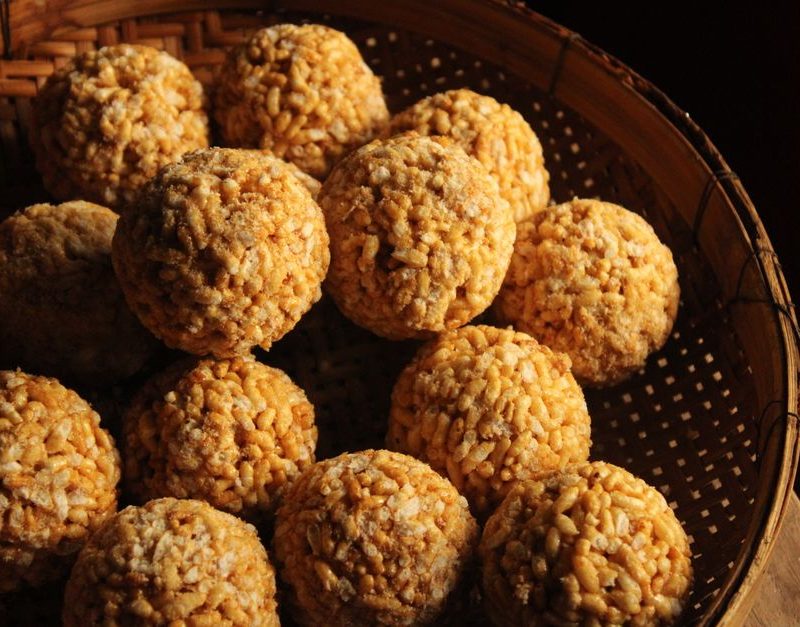
Apricot and pistachio energy bites bring together chewy dried fruit, roughly chopped nuts and a little orange zest in a snack you can make without switching on the oven. The apricots provide the sweetness and help hold everything together, while the pistachios give the bites their distinctive flavour and a pleasant crunch. A handful of oats makes the mixture easier to shape without turning it into a dense fruit paste.
This recipe focuses on getting that texture right: soft enough to bite comfortably, firm enough to lift from a container, and studded with small pieces of nut. You will need a food processor, a bowl and a little space in the fridge. Make a batch for a shared snack plate, or freeze some so you can take out just what you need.
Apricot and Pistachio Energy Bites
Makes: about 16 bites. Preparation: around 20 minutes, plus 30 minutes chilling and any time needed to soften the apricots.
Ingredients
- 200g soft dried apricots
- 80g shelled, unsalted pistachios, divided into 60g for the mixture and 20g for coating
- 50g rolled oats
- 2 tablespoons smooth almond butter
- Finely grated zest of 1 small orange, washed before zesting
- ¼ teaspoon ground cardamom, optional
- 1–3 teaspoons water, only if needed
Choose almond butter that has been stirred well, so the oil and solids are evenly combined. Weigh the pistachios after removing their shells. The colour of dried apricots varies, so your finished bites may be golden orange or a deeper brown; either is fine for this recipe.
Method
- Check the apricots. Squeeze one between your fingers. If it bends easily and feels soft, use the fruit as it is. If it is leathery or very firm, cover the apricots with warm water for 10 minutes. Drain thoroughly, then pat dry with a clean tea towel or kitchen paper. Do not add the soaking water to the processor.
- Prepare the coating. Put 20g of the pistachios in the food processor and pulse until finely chopped, stopping before they become a powder or paste. Tip onto a small plate and set aside. There is no need to wash the processor bowl.
- Chop the remaining nuts and oats. Add the remaining 60g pistachios and the rolled oats. Pulse briefly until the nuts form small pieces and the oats are roughly broken down. Leave some texture rather than processing everything into flour.
- Add the fruit and flavourings. Add the apricots, almond butter, orange zest and cardamom, if using. Process in short bursts, stopping to scrape down the bowl with the machine switched off. The mixture should gather into moist clumps, with little flecks of pistachio still visible.
- Test before adding water. Pinch a small spoonful together. If it holds its shape, it is ready. If it crumbles, add 1 teaspoon water, pulse again and repeat the test. Add further teaspoons only as needed; softer apricots may need none.
- Shape the bites. Transfer the mixture to a bowl and divide into about 16 portions. With clean hands, press each portion together firmly, then roll into a ball. If the mixture sticks to your palms, lightly dampen your hands and shake off excess water.
- Coat and chill. Roll the bites in the reserved chopped pistachios, pressing gently to help the pieces stick. Arrange in a single layer in a covered container and refrigerate for at least 30 minutes before serving.
How to get a chewy, manageable mixture
The moisture in dried apricots varies considerably between packets. This matters more than processing for an exact number of seconds. Watch for the mixture changing from loose crumbs to small clumps, then stop and test it with your fingers. A mixture that holds together when pressed does not need to form one large ball inside the processor.
If it feels too wet to roll, stir in another tablespoon of oats and leave it for 10 minutes before checking again. This gives the oats time to absorb some moisture. Chill a particularly sticky mixture briefly before shaping, rather than repeatedly adding dry ingredients and losing the apricot flavour.
If your processor struggles, roughly chop the apricots with a knife before adding them. Work in smaller batches if necessary and combine everything thoroughly in a bowl afterwards. Avoid running the motor continuously in the hope that stubborn pieces will eventually disappear; short pulses and a few pauses make it easier to control the texture.
Serving ideas
Serve the bites chilled for a firmer texture, or let them stand briefly at room temperature for a softer chew. One or two can sit alongside a cup of tea, with more available according to appetite. Their sweetness comes from dried fruit, so there is no need to add honey or syrup to the basic mixture.
For a more substantial snack, pair them with plain yoghurt or a piece of fresh fruit. You can also crumble a bite over yoghurt as a chewy topping, keeping the pieces small enough to mix through easily. Think of them as one option within a varied eating pattern, rather than a replacement for a full meal.
Simple variations
- Lemon instead of orange: use the finely grated zest of half a lemon for a sharper citrus note. Keep the juice out of the initial mixture, as it can make the bites too wet.
- Cinnamon instead of cardamom: replace the cardamom with ¼ teaspoon ground cinnamon for a gentler spice flavour.
- A coconut coating: use 2 tablespoons desiccated coconut in place of the reserved 20g pistachios. Keep the 60g pistachios inside the mixture.
- Cashew butter: substitute smooth cashew butter for the almond butter in the same quantity. Check the consistency before deciding whether water is needed.
These bites contain nuts, and changing the nut butter does not make them suitable for someone with a nut allergy. If you need to avoid gluten, use oats specifically labelled gluten-free and check the remaining ingredients.
Storage and freezing
Keep the finished bites in an airtight container in the fridge and use within five days. Separate stacked layers with baking parchment so the coatings stay intact. Use clean hands or utensils when taking them out, and return the container to the fridge promptly.
For longer storage, freeze the bites on a parchment-lined tray until firm, then transfer to a freezer container. Label and use within two months for best quality. Defrost a few at a time in a covered container in the fridge, and eat within two days. This keeps the rest of the batch ready for another occasion without repeatedly thawing it.