You get home at 6:40 p.m., stare at a container of dry chicken and rice, then order takeout because eating the same meal for the third night feels like punishment. The problem is not meal prep. The problem is preparing finished meals when you should prepare flexible ingredients.
Build meal prep around components, not finished dinners
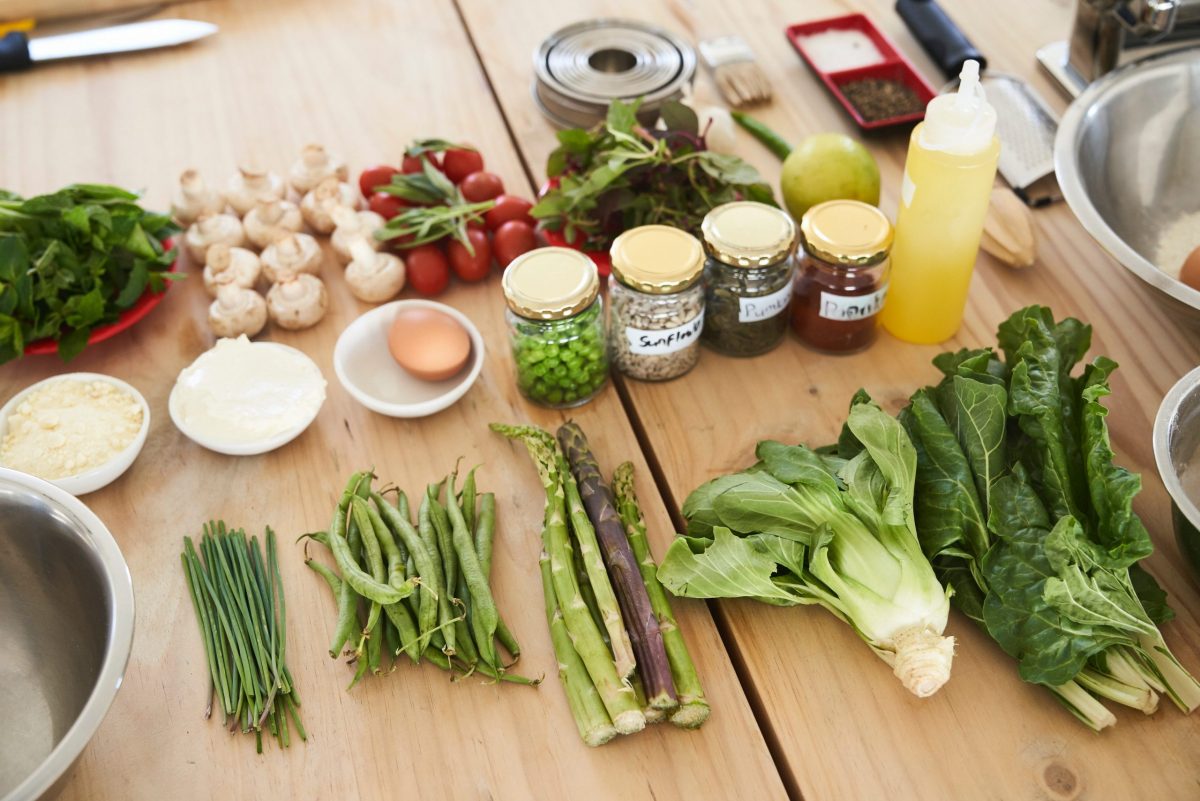
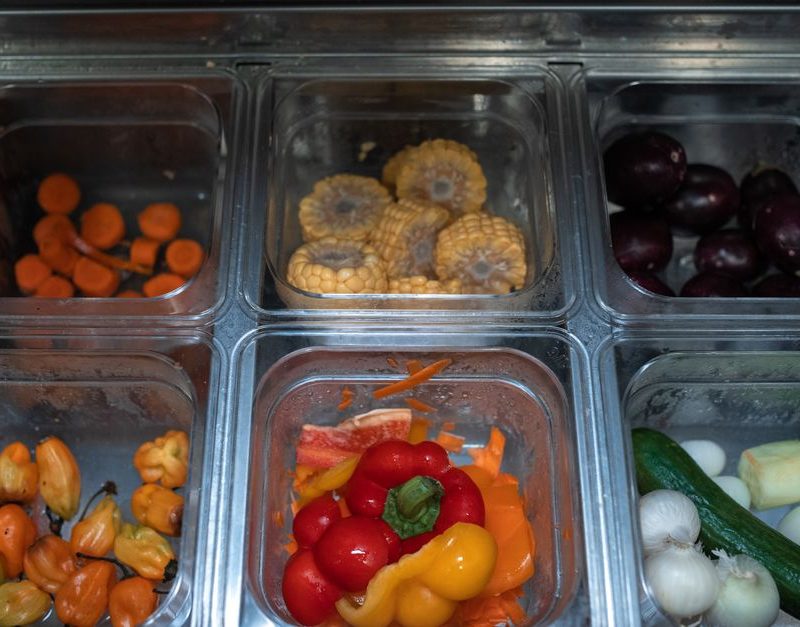
My rule: never prep five identical meals unless you genuinely enjoy eating the same thing five times. Cook a few useful parts, then change the flavor and texture at dinner. A tray of roasted vegetables can become a grain bowl, taco filling, soup topping, or omelet filling. One pot of beans can work in a salad on Monday and a spiced stew on Thursday.
Choose three parts that can cross over
Pick one protein, one high-fiber carbohydrate, and two vegetables. For example, cook 1.5 pounds of chicken thighs, 3 cups of cooked brown rice, one sheet pan of broccoli, and one sheet pan of peppers. Add a sauce or seasoning mix later instead of locking every portion into one recipe.
- Cook the protein with a neutral base such as olive oil, garlic, salt, and black pepper.
- Prepare one grain or starchy vegetable in a large batch.
- Roast vegetables until browned but still firm enough to reheat.
- Make two strong finishing sauces, such as lemon yogurt sauce and peanut-lime sauce.
- Store sauces separately so they do not soften vegetables or turn grains pasty.
Set a two-night limit
Use the same core ingredients for no more than two dinners in a row. Serve chicken, rice, and broccoli as a bowl on Monday. Turn the same chicken into lettuce wraps with crunchy cabbage on Tuesday. Freeze extra portions after that or change the meal completely. This limit keeps the prep efficient without forcing your appetite to follow a spreadsheet.
Which meal prep method works best for a busy weeknight?
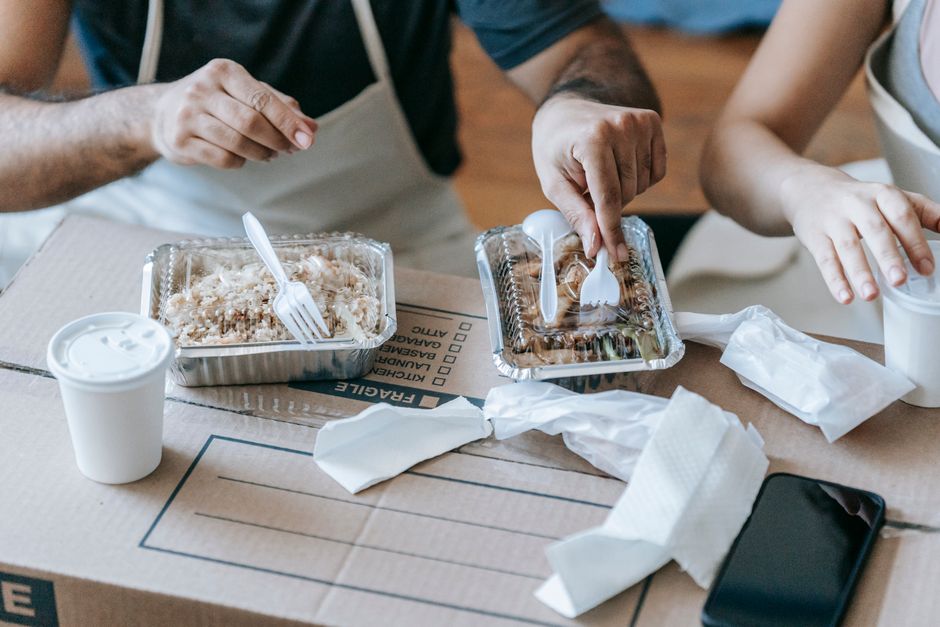
Batch cooking is not the only way to prepare food ahead. The best method depends on how much cooking you can handle on the weekend and how much freshness you need during the week. For most busy households, component prep wins because it leaves room for different meals and protects texture.
| Method | Active prep time | Best use | Main weakness |
|---|---|---|---|
| Full batch cooking | 90 to 120 minutes | Three identical lunches or dinners | Flavors and textures flatten by day three |
| Component prep | 60 to 90 minutes | Flexible dinners built from shared ingredients | Needs a five-minute finishing step |
| Freezer prep | 75 to 120 minutes | Emergency meals for later weeks | Fresh vegetables may soften after thawing |
| Ingredient prep only | 30 to 45 minutes | People who dislike reheated food | Still requires cooking on weeknights |
The clear winner for most people
Choose component prep. Cook enough food for three dinners, but keep each part separate. A practical target is two proteins, two vegetables, one grain, and two sauces across the week. That gives you combinations instead of identical boxes. Keep the portions modest: about 4 to 5 ounces of cooked protein, 1/2 to 1 cup of cooked grains or potatoes, and at least 1 cup of vegetables per dinner.
When full batch cooking makes sense
Full batch cooking works when convenience matters more than variety. It suits a person who has a short lunch break, a predictable schedule, or a reliable freezer. Pick foods that improve after a day, such as turkey chili, lentil curry, vegetable soup, or braised beans. Avoid fully assembling meals with crisp toppings, fresh herbs, or delicate greens. Add those after reheating.
Prevent the five meal-prep mistakes that ruin leftovers
Most bad leftovers fail before they reach the refrigerator. People overcook vegetables, seal hot food in deep containers, drown grains in sauce, or prepare more food than their schedule can support. Fixing those habits matters more than finding another recipe.
Stop cooking food for its first serving only
Food that tastes perfect straight from the pan may taste dull after two reheats. Cook vegetables one or two minutes short of their usual finish. Broccoli should still have a firm stem. Green beans should bend but not collapse. Rice should remain separate instead of becoming soft under a heavy sauce. Reheating finishes the cooking, so the first meal should not push the food all the way to its final texture.
Cool cooked food in shallow containers rather than one deep pot. Divide large batches into portions no deeper than about 2 inches, then refrigerate promptly. Keep the refrigerator at 40°F or below. Most cooked leftovers taste best within three to four days; freeze anything you will not eat in that window.
Do not prep more than your calendar can handle
Four servings are not automatically smarter than two. If you have dinner plans on Wednesday and Thursday, cooking seven portions on Sunday creates waste and guilt. Plan around the real week. Make two fresh dinners, one flexible leftover meal, and one freezer backup. A simple schedule beats an ambitious menu that collapses by Tuesday.
Another common mistake is using one sauce for everything. Acid, heat, herbs, and texture change the meal more than another spice blend mixed into the protein. Keep chopped scallions, toasted seeds, pickled onions, citrus wedges, or shredded cabbage ready for the final minute. Those small additions make reheated food feel newly assembled.
How do you make one prep session create different dinners?
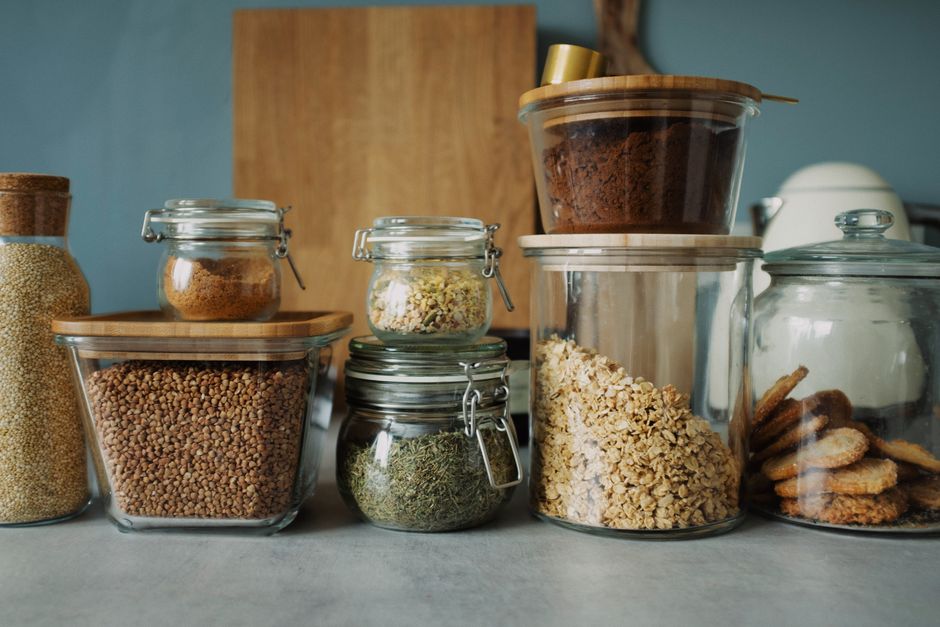
Q&A is useful here because the same problems appear every week. The answers are short, practical, and firm: keep the base neutral, change the finish, and protect texture.
How many recipes should you cook on prep day?
Cook two recipes at most. A protein and a one-pot vegetable dish are enough. Add a grain or potatoes if you need more calories. Cooking four separate recipes creates too many containers, too many ingredients, and too many points of failure. For a family of four, 2 pounds of protein, 6 cups of cooked vegetables, and 4 cups of cooked grains can support several dinners without filling the refrigerator beyond reason.
What containers work for reheated meals?
The Pyrex Simply Store 3-Cup rectangular glass container is a solid choice for single portions because it handles reheating and lets you see the food. The Rubbermaid Brilliance 3.2-Cup container is lighter and stacks well for packed lunches. For a grain side, the OXO Good Grips 3-Cup glass container gives enough room to prevent packed food from turning into a dense block. None of these containers fixes poor cooling or overcooking, so storage design comes after cooking technique.
Should you buy a rice cooker or pressure cooker?
Buy the Zojirushi NHS-06 3-Cup Rice Cooker if rice appears on your menu at least twice a week and you want hands-off cooking. Pick the 6-Quart Instant Pot Duo 7-in-1 if beans, shredded chicken, soups, and tough cuts matter more than perfect rice. Do not buy either appliance for a single weekly recipe. The appliance needs to replace repeated work, not create another object to clean and store.
The best weeknight meal plan is the one you can repeat
Use a small rotation
Build a four-dinner rotation, not a seven-day performance. Make one bowl, one soup or stew, one quick skillet meal, and one dinner assembled from leftovers. Change the seasoning each week, but keep the cooking pattern familiar. This cuts decision time while leaving enough variety to avoid food fatigue.
Keep one emergency meal ready
For the night when everything goes wrong, frozen soup and prepped vegetables beat an elaborate backup recipe. Store one or two portions of chili, lentil soup, or cooked beans in flat freezer containers so they thaw quickly. Add a fresh topping or toasted bread at dinner. That is enough. Healthy meal prep should reduce pressure on busy weeknights, not turn Sunday into another work shift.
Medical Disclaimer: This content is for informational purposes only and does not constitute medical advice. Always consult a qualified healthcare professional before making health-related decisions.