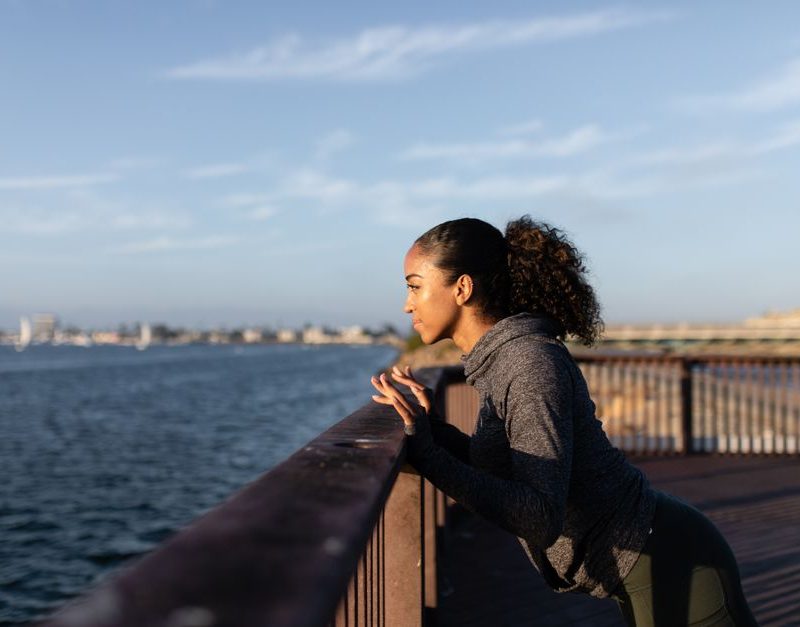
My best morning energy routine is simple: drink 12 to 16 ounces of water, move gently for 5 to 10 minutes, then eat and drink more based on thirst, heat, and activity. I do not chug a giant bottle the second I wake up, and I do not use electrolyte powder every day. That approach leaves me less bloated and more alert than the dramatic morning routines I tried in the past.
The goal is not to flood your body. It is to replace normal overnight fluid loss, wake up your joints, and create enough momentum to start the day without relying on a third cup of coffee.
Start with 12 to 16 Ounces and Gentle Movement
The clear winner for most healthy adults is a moderate glass of water followed by easy movement. Overnight, you lose fluid through breathing, sweating, and bathroom trips, but that does not mean you wake up dangerously dehydrated. Most people need a calm reset, not a forced gallon.
The right first drink
Drink 12 to 16 ounces, or roughly 350 to 475 milliliters, over 10 to 20 minutes. Plain tap or filtered water works. If your mouth feels dry, take a few extra sips. If you feel nauseated after drinking quickly, use a smaller 8-ounce serving and finish the rest with breakfast.
Light-yellow urine is a useful rough check during the day, but it is not a perfect scorecard. Coffee, supplements, food, medication, heat, and exercise can change color. Thirst, headache, dry mouth, and unusual fatigue matter too.
Why movement comes before a hard workout
Use the first five minutes to move, not to prove your fitness. Walk around the room for two minutes, make 10 slow shoulder circles, complete eight bodyweight squats to a chair, then perform five hip hinges and 20 seconds of calf raises. This sequence raises body temperature and checks how your body feels before you add intensity.
My verdict: start small enough that the routine still works on a rushed Tuesday. A glass of water and five minutes of movement done daily will beat a perfect 45-minute plan that happens twice a month.
Choose a Bottle That Makes Sipping Automatic

A bottle cannot improve hydration by itself. Its job is to remove friction. The best choice has a size you can finish, a lid you will actually clean, and a shape that stays beside your desk or fits your car. Prices below are listed US prices I found in October 2026, so colors and sales can change.
Three useful bottle choices
| Product | Listed price | Useful details | My verdict |
|---|---|---|---|
| Owala FreeSip Stainless Steel 24 oz | $29.99 | 24-ounce capacity, insulated stainless steel, sip-or-straw lid | Best all-around pick for people who forget to drink |
| Hydro Flask 24 oz Standard Mouth | $39.95 | 24 hours cold, 12 hours hot, 2.85-inch diameter, 12.45-inch height, 0.83 pound | Best for cold water and long commutes |
| Nalgene Sustain 32 oz Wide Mouth | About $16 to $25 | Large plastic bottle, light weight, wide opening; official custom version starts at $25 | Best low-cost choice for home workouts |
The Owala FreeSip is my pick for most readers because the lid lets you sip without tipping the bottle high or using a separate straw. That small convenience matters when the bottle sits beside a laptop. The Hydro Flask earns its higher price if cold water motivates you to keep sipping for hours. The Nalgene wins when weight and cost matter more than insulation.
What to check before buying
Skip bottles with narrow openings that trap old flavored drinks, complicated lids with hidden silicone pieces, or oversized 40-ounce bodies that become a chore to carry. A 24- to 32-ounce bottle is enough for a morning routine. Wash the lid daily if you drink flavored water, and let every part dry fully before closing it.
Use a Ten-Minute Movement Sequence That Builds Energy
My strongest recommendation is to keep morning movement easy enough to finish before your brain starts negotiating. You do not need a hard workout to feel more awake. You need circulation, joint motion, and a short period of steady breathing.
Minute 0 to 3: wake the body
Walk around your home at a relaxed pace. Swing your arms naturally. Take four slow breaths through your nose, then let your breathing return to normal. If you feel dizzy, stop and sit down. Dizziness is a reason to reassess the routine, not a challenge to push through.
Minute 3 to 7: loosen the stiff areas
Complete 10 shoulder circles in each direction, eight cat-cow movements, eight slow squats to a chair, and five hip hinges. Keep each movement controlled. The aim is to explore range of motion, not to stretch as far as possible. A sharp or pinching sensation means the movement needs to stop or change.
Minute 7 to 10: add a small finish
Choose one option: walk briskly, climb one flight of stairs twice, march in place, or perform three rounds of 20-second calf raises and 20-second rest periods. Keep the effort around 4 or 5 out of 10. You should be able to speak in full sentences.
This sequence solves the real morning problem: the body feels slow, and the first task feels harder than it should. It also gives you a useful signal. If the same easy routine suddenly feels unusually difficult, reduce the intensity and pay attention to sleep, illness, food, stress, and hydration rather than forcing a harder session.
For a normal office morning, ten minutes is enough. Save intervals, heavy lifting, and long runs for after you have eaten or for a time when your body is fully awake.
Avoid the Four Morning Hydration Mistakes

The biggest mistake is treating hydration as a contest. More water is not automatically better, and a large morning dose can cause nausea, repeated bathroom trips, or uncomfortable bloating.
Mistakes that waste the routine
- Chugging too fast: Drinking 32 to 40 ounces immediately can make you feel sick. Start with 12 to 16 ounces and spread the rest across the morning.
- Adding electrolytes by default: Electrolytes make more sense after heavy sweating, long exercise, heat exposure, or a clinician’s advice. They are not a substitute for breakfast or sleep.
- Exercising hard while under-fueled: A fasted walk may feel fine. A hard workout can feel very different. If you feel shaky or weak, eat something simple before continuing.
- Ignoring medical limits: People with kidney disease, heart failure, fluid restrictions, or medication-related sodium limits need individual guidance. A generic morning routine does not override a care plan.
When not to buy hydration extras
Do not buy a smart bottle, flavor drops, or expensive powder just because drinking plain water feels boring for three days. First put an ordinary glass beside your bed and a clean bottle near your work area. If you still struggle after a week, improve taste with lemon, mint, or unsweetened tea before paying for a new gadget.
My verdict is blunt: the simplest routine is the one most people need. Extra gear should solve a specific problem, such as poor portability or repeated heat exposure, not create another habit to manage.
Pick Electrolytes Only for a Clear Use Case
For ordinary mornings, water is my first choice. Electrolyte products earn their place after sweating, during hot outdoor work, or after a longer workout. They do not create energy in the same way food, sleep, and movement do.
Is LMNT worth buying?
LMNT Variety Pack lists at $22 for 12 sticks, with 1,000 milligrams of sodium, 60 milligrams of magnesium, and 200 milligrams of potassium per serving. That is a large sodium dose for a casual morning drink. I would use it after a long, sweaty session or in unusual heat, not as my default glass of water. People who need to limit sodium should skip it unless their clinician says otherwise.
When a lighter option makes more sense
Nuun Sport tablets come in tubes of 10 servings and are easier to carry than a tub of powder. They suit people who want a flavored drink during a moderate workout, but they still are not required for a short walk or normal desk morning. Check the label for sugar, sodium, caffeine, and serving size instead of assuming every electrolyte product works the same way.
My final buying verdict
Buy the Owala FreeSip 24 oz if you need a bottle that makes sipping easy. Choose the Hydro Flask 24 oz if cold temperature keeps you drinking through a commute. Choose the Nalgene Sustain 32 oz if you want the lightest low-cost option for home. Add LMNT only when sweat loss gives you a real reason. If your morning starts with a quiet room, a normal breakfast, and ten minutes of easy movement, plain water remains the best tool.
That is how I return to the opening routine: a moderate glass, a short walk, and no performance theater. By the time the day gets busy, I have already given my body what it needed without turning hydration into another exhausting task.
Medical Disclaimer: This content is for informational purposes only and does not constitute medical advice. Always consult a qualified healthcare professional before making health-related decisions.