A grocery list becomes more useful when every fresh ingredient has somewhere to go. Instead of copying a permanent list of supposedly essential foods, begin with the meals your household expects to eat. Then work backward through ingredients, existing supplies, and practical quantities. The result is a list that supports dinner rather than another collection of good intentions in the vegetable drawer.
Count the Meals That Need Shopping
Look at the coming days before choosing recipes. Mark evenings when someone will be out, nights when cooking time is short, and lunches that need packing. A household with three dinners at home does not need the same produce as one cooking every evening.
Keep one meal flexible. It might use frozen vegetables, eggs, canned beans, or pasta already available. This leaves room for a changed schedule without creating another batch of ingredients that must be used immediately. Planning fewer meals accurately is often more helpful than filling every square on a calendar.
Check What Is Already Available
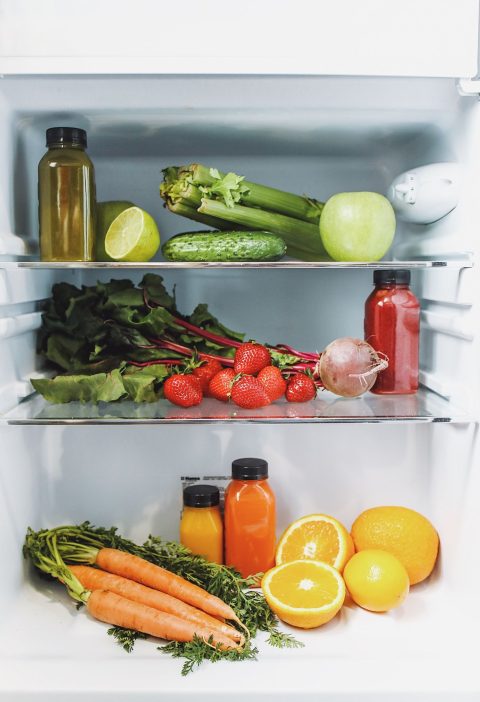
Open the refrigerator, freezer, and pantry with the meal plan beside you. Check actual quantities rather than assuming that a familiar container is full. Half a bag of rice may be plenty for one meal but not two. A jar of sauce may have an opening date that affects whether it belongs in the plan.
Write down usable foods that need attention, then assign them first. A cabbage might cover slaw and a stir-fry; a tub of plain yogurt could serve breakfast and a dressing. Do not force questionable leftovers into a meal just to avoid waste.
Translate Dishes Into Ingredients
List each meal and its main components before grouping anything by aisle. For bean wraps, include tortillas, beans, vegetables, and whichever sauce you intend to serve. Check the small items too: a recipe that depends on lemon, garlic, or baking paper can become awkward when those details are missing.
Separate essentials from optional finishes. If parsley is a garnish and you already have another suitable herb, it does not need to become a purchase. If the recipe relies on lentils for its main substance, those belong firmly on the list. This distinction makes substitutions easier in the shop.
Add Quantities Across Shared Meals
Combine repeated ingredients before shopping. If two dinners need carrots, calculate the total rather than writing carrots twice. Where recipes give weights, use those to estimate the amount required. Where they give counts, note the approximate size, such as two medium onions rather than simply onions.
| Ingredient | Meal uses | List entry |
|---|---|---|
| Chickpeas | Wraps and vegetable bowls | Two cans, check drained weight |
| Carrots | Slaw and tray vegetables | Enough for both recipes |
| Plain yogurt | Breakfast and dressing | One tub sized to planned uses |
Count breakfasts and snacks separately so dinner ingredients are not accidentally used up beforehand.
Build in Specific Substitutions
A useful backup names the role of the ingredient. For a roasting vegetable, write carrots or cauliflower, not any vegetable. For a grain bowl, rice or couscous may work if you can adjust cooking time. A substitute should fit the method, not merely occupy the same supermarket aisle.
Note important household requirements directly beside the item. That could mean unsweetened yogurt, a particular allergen restriction, or beans without a seasoned sauce. Photographing the relevant package can help another shopper identify it, but check the current label because products can change.
Arrange the List Around the Shopping Trip
Group produce, shelf-stable goods, refrigerated foods, and frozen items. This makes omissions easier to spot and helps you collect chilled foods toward the end. Keep raw animal foods separate from ready-to-eat groceries during packing.
The FDA’s shopping guidance advises prompt refrigeration of perishables, within two hours, or one hour above 90 F. Plan the journey accordingly, especially when errands involve several stops. An insulated carrier helps with transport, but it does not remove the need to get food into proper cold storage promptly.
Review the List Against Real Storage Space
Before leaving, check whether the refrigerator can hold the intended fresh foods and whether the freezer has room for any planned extras. A large pack is not useful when you cannot store it correctly or assign its contents to meals.
- Does each perishable have a planned use?
- Have repeated ingredients been combined?
- Are quantities based on the people eating?
- Is there a quick fallback dinner?
- Are substitutions practical for the cooking method?
After shopping, put ingredients near the foods they will accompany without compromising safe storage. Keep the meal plan visible. The list has done its job when the next dinner is easier to assemble, not when every cupboard is full.