Fresh vegetables are easier to use when washing does not soak the entire kitchen. A sensible routine separates three jobs: keeping the preparation area clean, removing surface dirt, and getting unwanted water off the food. Leafy greens especially benefit from the last step. Wet leaves dilute dressings and leave a puddle in the bowl, even when the ingredients themselves are appealing.
Prepare the Space Before the Produce
Clear away raw meat packaging, dirty dishes, and used cloths before bringing salad ingredients to the sink. Wash your hands and use a clean board, knife, colander, and work surface. A freshly rinsed vegetable can pick up contamination again if it lands on an unclean counter.
Keep a clean towel or paper towels ready on the dry side of the work area. Put a bowl beneath a colander only when it helps contain drips, and empty it rather than letting washed food sit in collected water. The sink is a washing space, not a clean storage container.
Read Bagged-Green Instructions First
The FDA says produce labeled pre-washed or ready-to-eat can be used without additional washing. Follow the package instructions instead of assuming every bag needs another bath.
Keep these ready-to-eat leaves away from the area where you are cleaning muddy vegetables. If you do choose to wash them again, clean equipment matters because an extra rinse can introduce contamination. Check the leaves before serving and discard spoiled material. Washing is not a method for restoring leaves that have become slimy or rotten.
Use Running Water, Not Household Cleaners
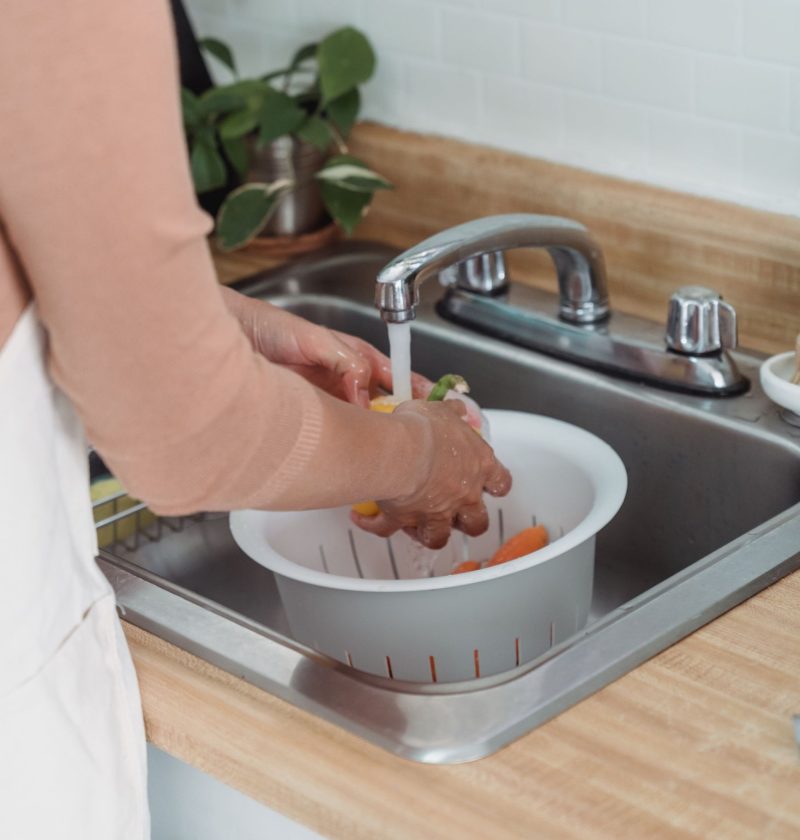
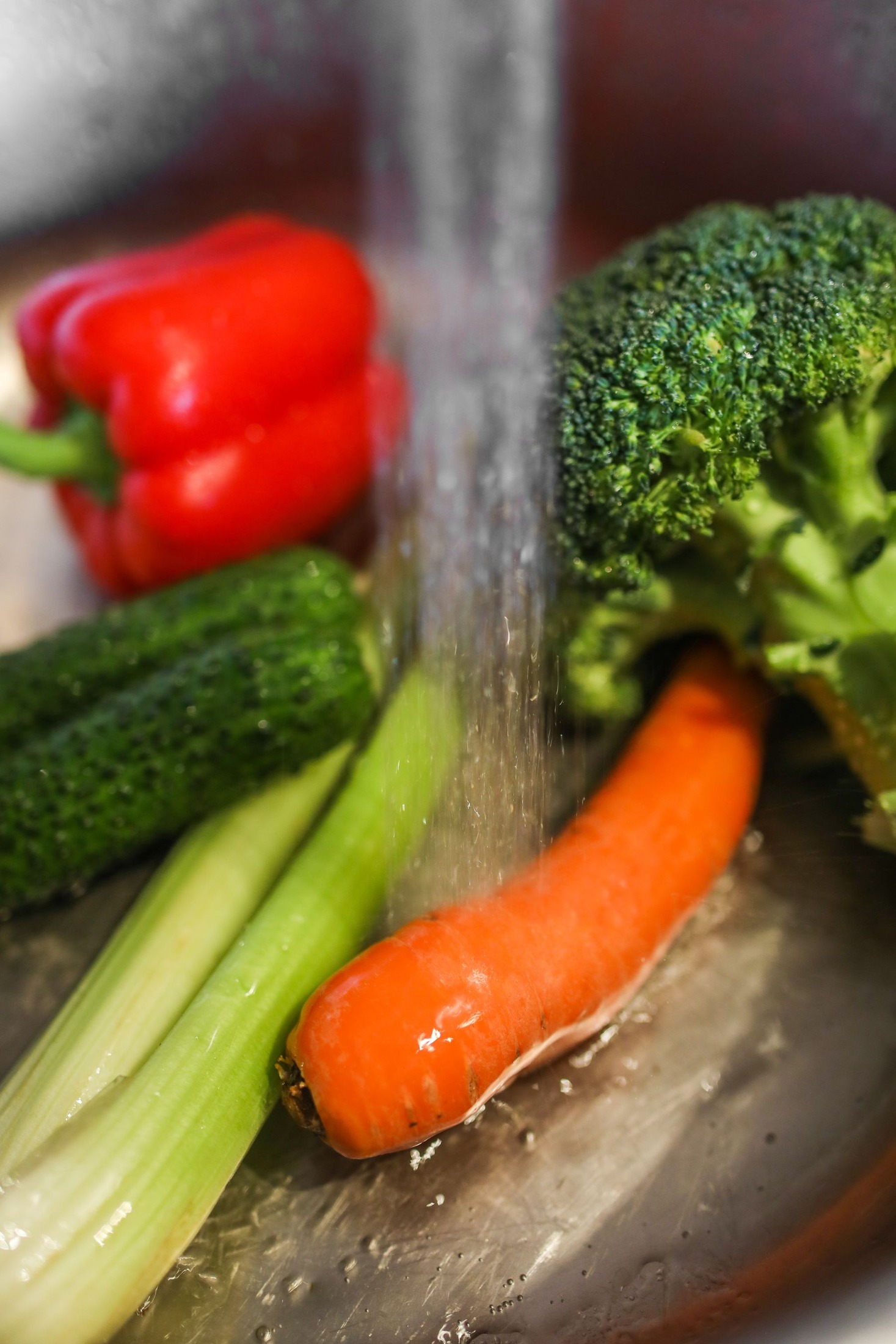
For produce that needs washing, use plain running water. FDA guidance advises against soap, detergent, and commercial produce washes. Washing reduces surface contamination but does not make produce sterile. Do not promise yourself that a special soak can make recalled or spoiled vegetables safe.
Wash produce before peeling or cutting so the knife does not carry surface dirt inward. Rub smooth items gently with your hands. Use a clean produce brush for firm surfaces such as cucumber or melon. Keep brushing equipment separate from the brush used for dishes, and clean it after use.
Separate Leaves So Water Can Reach Them
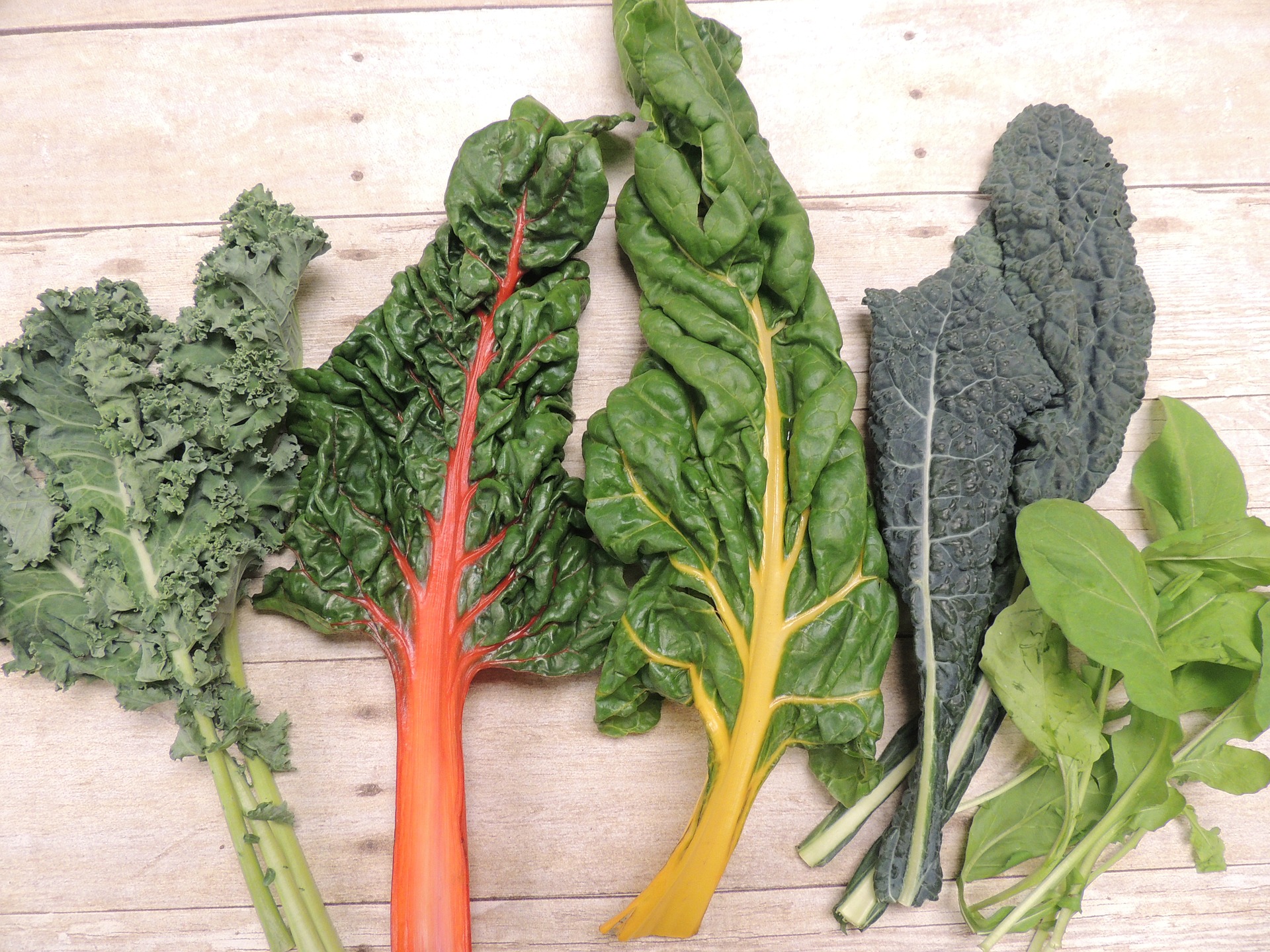
For a whole lettuce, remove damaged outer leaves and separate the remaining leaves. Rinse them individually or in manageable handfuls, opening folds where soil collects. Large bunches of spinach or other greens may need particular attention around stems and overlapping leaves.
Work in small batches. A colander packed to the rim makes it difficult to see whether water reaches the inner leaves. If gritty greens need agitation in a clean bowl of water to loosen soil, finish with a running-water rinse. Lift the leaves away from settled grit instead of pouring that grit back over them.
Spin or Towel-Dry Without Crushing
A salad spinner works best when the basket is not crowded. Add a modest batch, spin, empty the collected water, and repeat if necessary. Very delicate leaves need gentler handling than sturdy romaine. The goal is to remove visible droplets, not to bruise the greens through repeated forceful spinning.
Without a spinner, spread leaves on a clean towel and blot with another towel or paper towels. Roll the towel loosely around sturdy leaves if convenient, then unroll and check hidden folds. FDA recommends drying washed produce with a clean cloth or paper towel. Keep drying cloths separate from towels used on hands, counters, or raw-food spills.
Choose Whether to Wash Now or Later
Washing just before preparation limits the amount of wet produce you need to store. That works well when you have only a small quantity or when fragile leaves are likely to be eaten soon. If advance washing makes vegetables more usable in your household, make thorough drying part of the same task.
Store prepared greens in a clean covered container suitable for refrigeration, with a clean absorbent liner if useful for moisture management. Replace a soaked liner. Do not compress the leaves into a tight block, and do not mix a newly washed batch into an older batch without checking its condition and age.
Finish With a Ready-to-Use Salad Station
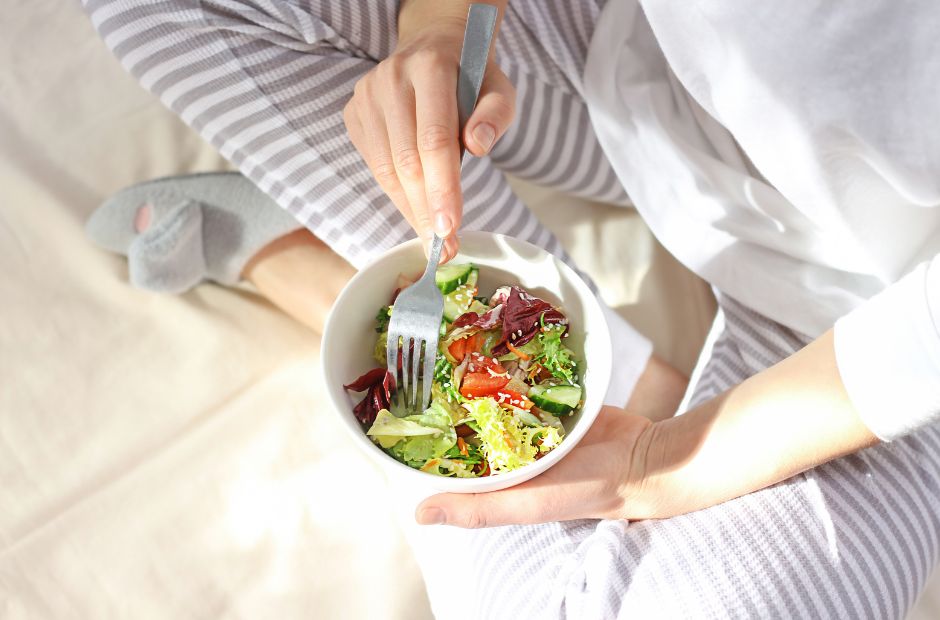
Keep dressing separate until serving. Put sturdy chopped vegetables in their own container when their moisture would soak the leaves. A dry bowl, dry leaves, and a small amount of dressing tossed through just before eating make a more coherent salad than pouring dressing onto a wet heap.
- Start with clean hands and equipment.
- Check ready-to-eat labeling.
- Rinse unwashed produce under running water.
- Dry leaves in manageable batches.
- Refrigerate perishable produce promptly.
For cold storage, FDA advises keeping perishable produce at 40 F or below. Give the finished container a visible place above and away from raw-food drips. The routine is complete when clean greens are easy to find and the washing equipment is ready for its next use.