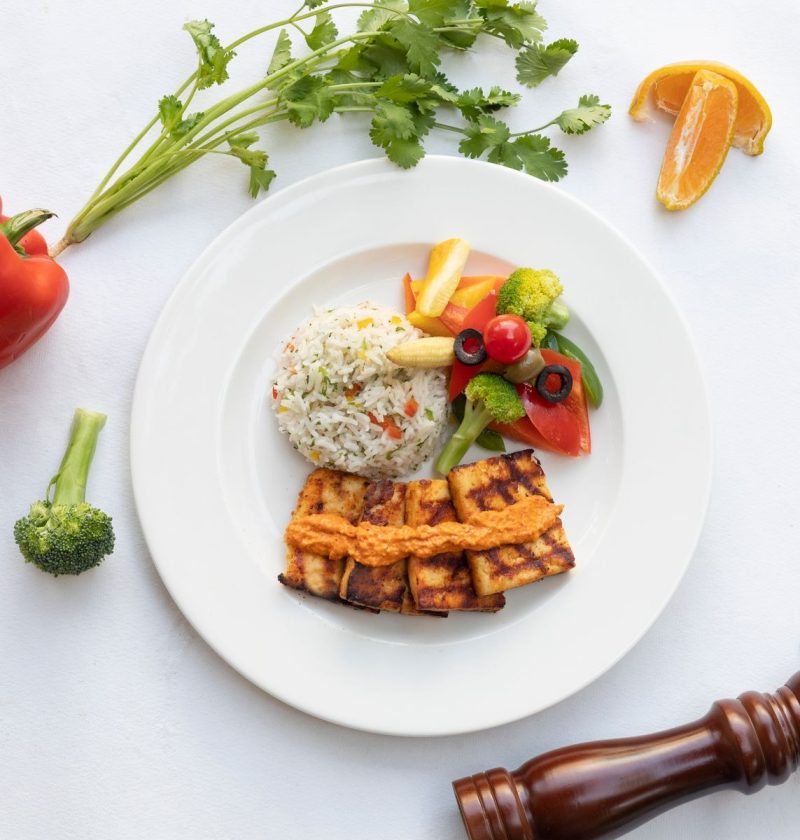
A vegetarian dinner can be straightforward without becoming a plate of unrelated side dishes. Start with a few components that belong together, choose one cooking method to do most of the work, and add a finishing ingredient that connects them. The aim is not a rigid diagram or a restaurant arrangement. It is a practical plate that feels like dinner on an ordinary evening.
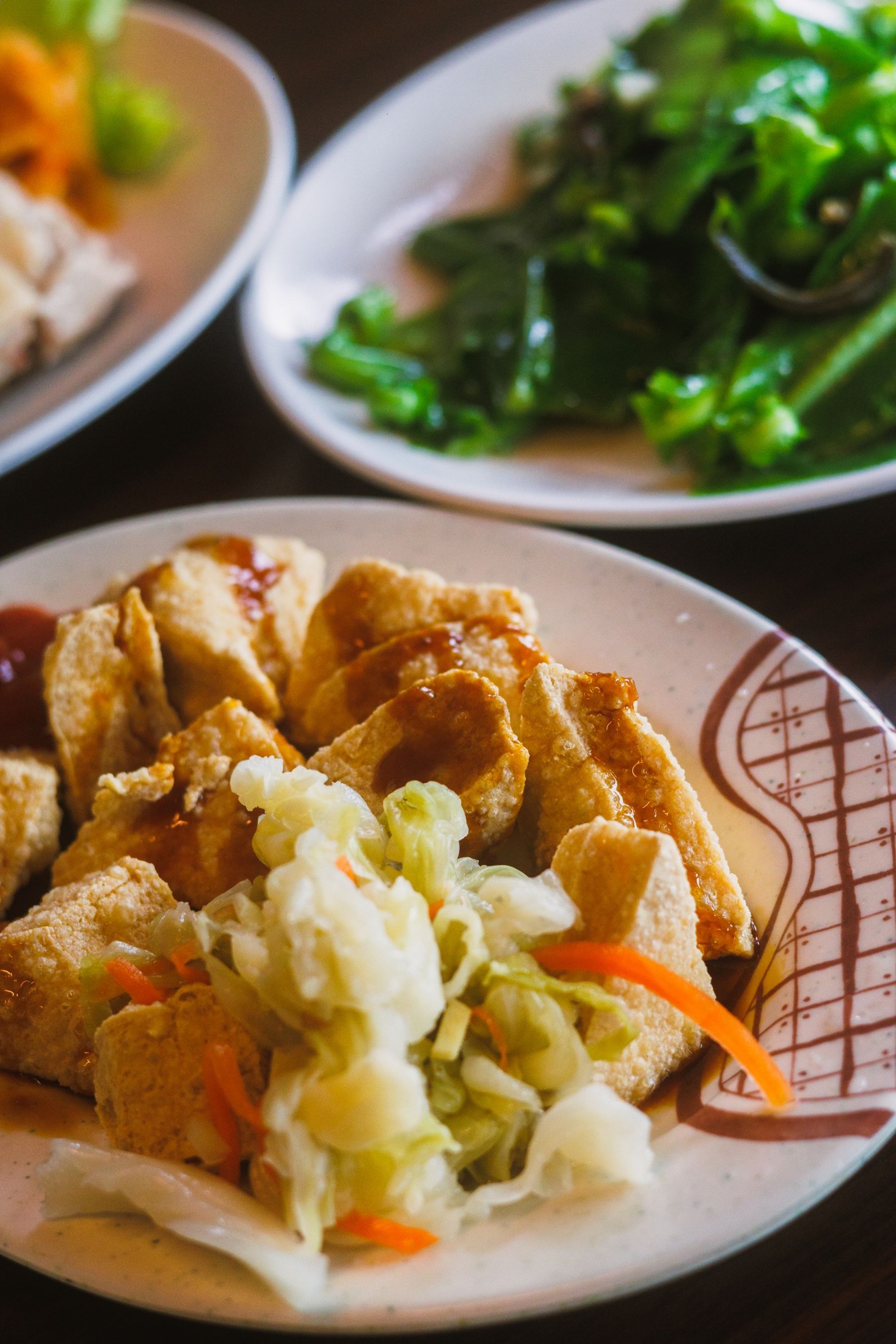
Choose the Main Structure of the Meal
Decide whether tonight’s dinner is a tray meal, a skillet meal, a bowl, or a filled potato. That choice narrows the number of pans and ingredients. A tray meal might combine vegetables with tofu and serve them beside bread; a skillet could hold beans, tomatoes, and greens with rice.
Choose the format according to available time and equipment. An oven meal is convenient only if you have time for preheating and cooking. A quick skillet may be a better fit when everyone is already hungry. Start with the situation rather than an ambitious recipe you cannot comfortably finish.
Give a Protein Food a Clear Role
Select beans, lentils, tofu, eggs, or another suitable vegetarian protein food as part of the plate, rather than remembering it only after the vegetables are cooked. The NHS includes pulses, eggs, and other protein sources in vegetarian eating guidance.
Choose the form that fits the meal. Canned beans can join a sauce quickly, while dried lentils need cooking time. Firm tofu can be prepared for a tray; eggs can suit a skillet. If using cheese, consider it as one planned component rather than automatically adding it to every vegetarian dish.
Add a Starchy Component That Fits the Clock
Bread, potatoes, pasta, rice, or another grain can provide the meal’s starchy component. Choose one you can prepare alongside the other food. If the vegetables roast for a while, potatoes may fit the same schedule. If the main dish is ready quickly, bread or a quick-cooking grain may be more convenient.
Check packet instructions before starting, especially for unfamiliar grains. A brown rice chosen at the last minute can delay a skillet that cooks much faster. Use wholegrain versions where they suit the meal and preferences, but do not let a last-minute substitution create a cooking sequence that no longer works.
Choose Vegetables for Contrast, Not Complexity
One cooked vegetable and one simple fresh accompaniment can be enough. Roasted carrots might sit beside dressed cabbage; beans in tomato sauce can take cooked spinach and a few cucumber slices. You do not need five separate vegetable preparations to make the plate varied.
Think about texture. If the main component is soft lentils, add something with bite. If tofu has crisp edges, a tender cooked vegetable can provide contrast. Use what is already available before buying a garnish that will leave most of a package unused. Clean and prepare produce appropriately before serving it.
Cook in an Order That Reduces Waiting
Start the longest-cooking component first. While it cooks, prepare the vegetables and assemble the finishing sauce. Add quicker ingredients later so they do not become overcooked while a grain or root vegetable catches up. Keep the sequence simple enough to follow without several timers competing for attention.
| Meal format | Start first | Finish near serving |
|---|---|---|
| Vegetable and tofu tray | Longer-cooking vegetables | Herbs and dressing |
| Bean skillet with rice | Rice according to instructions | Quick greens and fresh garnish |
| Filled potato | Potato | Warm filling and crisp side |
Use a shorter-cooking alternative when the planned timing does not fit the evening.
Connect the Components With One Finish
A yogurt-and-herb sauce, lemon dressing, or thinned tahini mixture can bring separate components together. Check ingredients and allergens, and choose the sauce for the flavors already on the plate. A strong sauce should support the vegetables and protein food, not hide everything beneath one taste.
Keep the finish separate until serving when that preserves texture. Spoon it onto the plate or pass it at the table. This also helps households with different preferences share the same base meal. Add crunchy toppings sparingly and deliberately rather than treating every available jar as part of dinner.
Adjust the Plate and Plan Any Extra Food
Serve an amount that fits appetite and allow room for seconds. A general meal structure is not a prescription for identical plates. People may want different amounts of the shared components, and the rest of the day’s eating pattern also matters.
- A clearly chosen vegetarian protein food.
- A practical starchy component.
- Vegetables with a useful texture contrast.
- One connecting finish.
- A cooking order that fits the evening.
Pack planned leftovers promptly in suitable containers, keeping fresh toppings separate. Note which component ran short or remained unused. That information makes the next weeknight plate easier to assemble than collecting another complicated recipe.