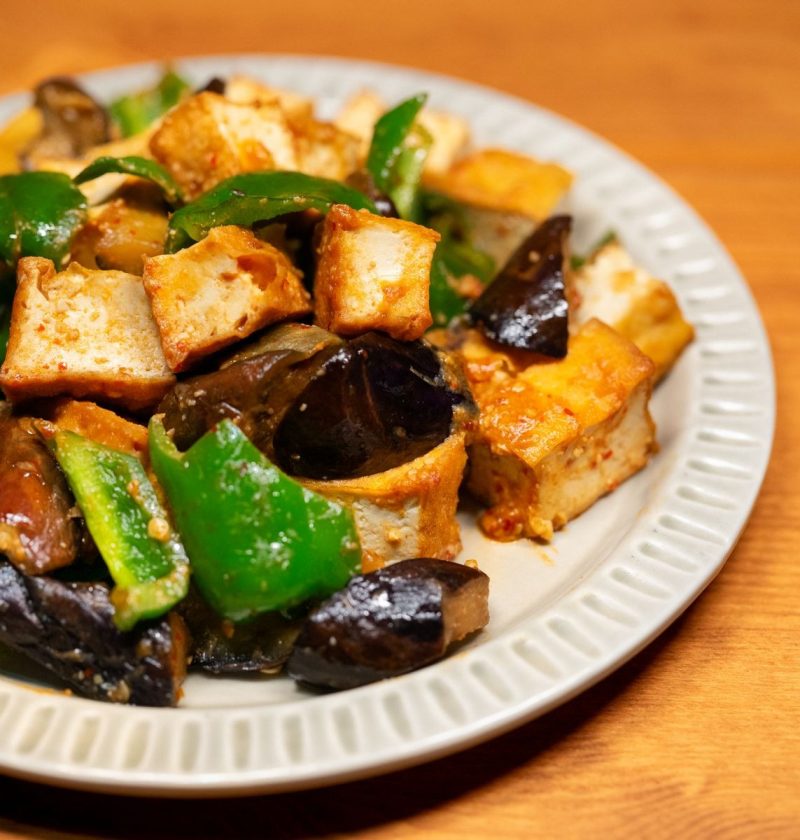
Plant-protein meals can feel repetitive when the same beans arrive in the same bowl with a different dressing. Variety becomes easier when you change the structure of the meal as well as the ingredient. A spoonable lentil sauce, crisp-edged tofu, and a chunky chickpea sandwich filling can share vegetables and seasonings while offering quite different dinners.
Choose a Small Rotation of Protein Foods
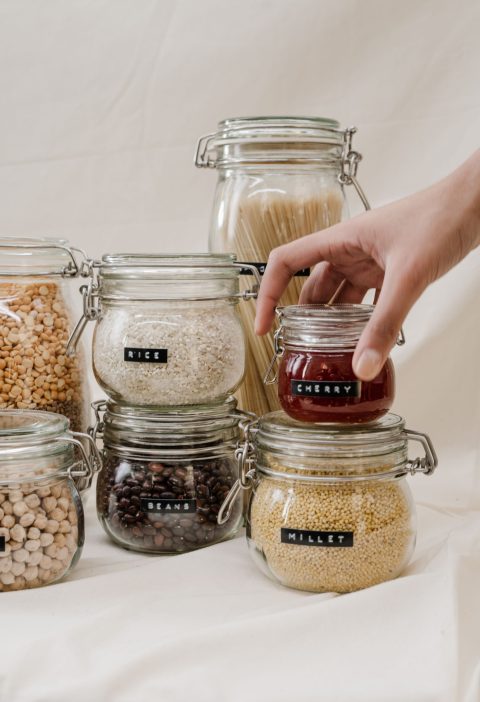
Begin with foods your household already likes and can prepare confidently. Canned beans, dried red lentils, firm tofu, and a jar of nut or seed butter create several possibilities without filling the pantry with unfamiliar products. Add new ingredients gradually, giving each one a clear meal role.
The NHS vegetarian guidance includes beans, pulses, nuts, and other protein foods within a varied diet. Use that variety as a planning principle, not a reason to assign extraordinary benefits to one fashionable ingredient. Different foods also bring different cooking times, textures, and storage needs.
Change the Texture on Purpose
Keep some beans whole for a brothy soup, mash others coarsely for a filling, and blend a portion into a smooth sauce. Red lentils soften into a thick base; green or brown lentils can retain a more distinct shape. Match those properties to the result you want.
For tofu, select the type named by the recipe. Silken tofu will not behave like a firm block on a roasting tray. Firm tofu can be drained and prepared according to the package, then cut into consistent pieces so it cooks evenly. Do not expect one product to perform every tofu task.
Rotate the Meal Format
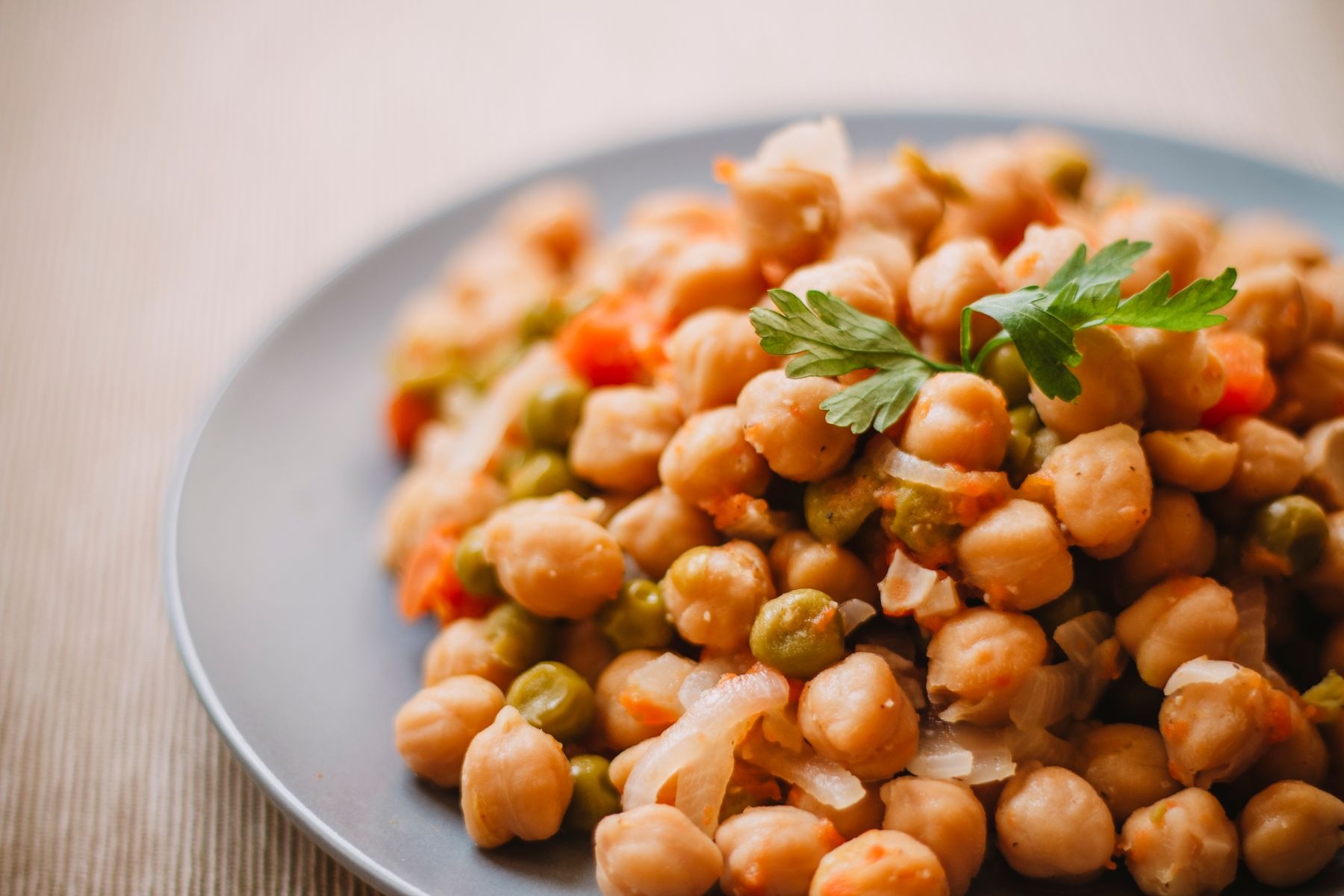
Use a familiar ingredient in a different setting before buying something new. Chickpeas might become a lemony sandwich filling one day and a tomato-based stew another. Lentils can anchor pasta sauce, soup, or a warm salad. A bean filling can go inside a baked potato instead of another tortilla.
| Protein food | First format | Contrasting format |
|---|---|---|
| White beans | Chunky vegetable soup | Mashed toast topping |
| Firm tofu | Roasted pieces | Crumbled skillet filling |
| Lentils | Thick pasta sauce | Warm vegetable salad |
The contrast matters more than the number of recipes in your collection.
Build Flavor Around the Cooking Method
A simmered lentil dish can take garlic, tomatoes, and dried herbs early in cooking. A chilled bean filling may be more lively with chopped herbs, lemon, and crunchy vegetables added near serving. Tofu often benefits from a sauce that reaches its surfaces rather than a small drizzle that misses most pieces.
Avoid giving every meal the same smoky spice blend. Try one herbal profile, one ginger-and-garlic profile, and one tomato-based profile across the rotation. Keep strong condiments separate at the table when preferences differ. This lets one shared base accommodate several diners without making separate complete meals.
Give the Plate More Than Protein
Plan vegetables, a starchy food, and a useful sauce or finishing ingredient alongside the protein component. A bowl of chickpeas is an ingredient; chickpeas with roasted vegetables, bread, and a spoonful of yogurt or tahini dressing is a more fully organized dinner.
Use contrast here too. Soft lentils can sit beside crunchy cabbage; roasted tofu can accompany tender noodles and cooked greens. You do not need every color, texture, and food group in a single elaborate arrangement. Aim for a meal that feels complete and fits the rest of your eating pattern.
Keep Convenience Foods in Perspective
Prepared plant-based burgers, sausages, and coated pieces can provide an easy option, but they are not interchangeable with plain beans or tofu. Read ingredients, allergen information, cooking instructions, and the nutrition panel. Decide whether the product solves a particular dinner problem.
Do the same with sauces and nut butters. A small amount can make a meal appealing, but the ingredient name alone does not tell you its salt or sugar content. Compare similar products and avoid assuming that a plant-based claim explains everything about the recipe.
Plan Storage Before Cooking Extra
Assign surplus portions a specific destination: tomorrow’s lunch, a freezer container, or a second meal within the appropriate storage window. Keep fresh toppings separate so a warm base can be reused without limp herbs or soaked cucumber.
USDA advises refrigerating leftovers promptly in shallow containers and using refrigerated leftovers within three to four days. Follow stricter product or local guidance where applicable. Plant-based food still needs safe handling. Keep a simple weekly note of the formats you enjoyed: one soup, one filled bread, one skillet, or one roasted plate. When shopping again, choose the ingredient that opens a missing format instead of buying another product that performs exactly the same kitchen job. A useful rotation is not a row of increasingly old tubs; it is a small set of ingredients moving through clearly planned meals.