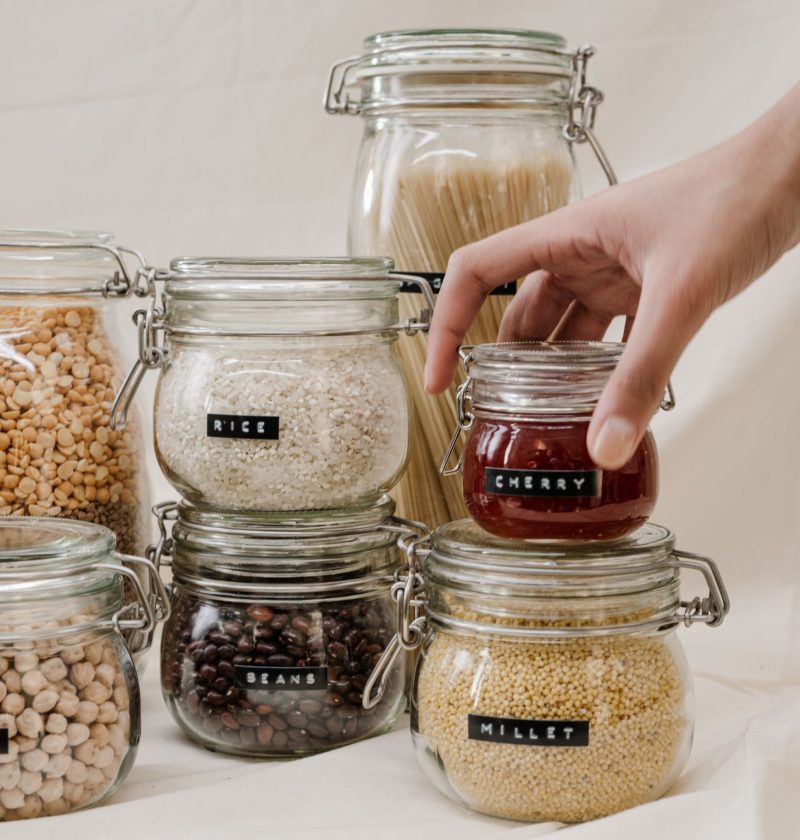
A date on a packet is only useful when you know what the wording means and which country’s guidance applies. Best before, best if used by, and use by are not globally interchangeable phrases. Pantry organization therefore begins with reading the whole label: the date description, storage conditions, after-opening instructions, and the condition of the package itself.
Identify the Region Before Applying a Rule
Do not assume advice from an overseas article applies word for word to the food in your cupboard. Imported products, local labeling requirements, and product-specific instructions can differ. When a label is unclear, consult the relevant local food authority or the manufacturer rather than translating the phrase into a universal rule.
Keep the distinction practical. You need to know whether the date addresses expected quality, a safety limit, or a retailer’s stock management. The same-looking calendar date can have different implications depending on the surrounding words. Read those words before deciding to use or discard the food.
Understand UK Best-Before and Use-By Wording
NHS inform describes UK use-by dates as safety dates and best-before dates as quality dates. It advises not eating food after its use-by date even when it looks and smells normal. Correct storage remains necessary for the date to be meaningful.
In practice, many dry, canned, and frozen products carry quality-related wording, while more perishable products may carry use-by wording. Check the actual package rather than assigning a date type from the aisle where you bought it. A product that looks like a pantry item may still require refrigeration.
Do Not Transfer That Rule Unchanged to US Labels
The FDA explains that US date descriptions are not uniform and supports best-if-used-by wording for quality. Federal rules generally do not require quality-based dates on packaged foods, with infant formula treated separately. State and product-specific requirements may also matter.
That does not mean every US product is safe indefinitely or that storage directions can be ignored. Use the food’s actual instructions and applicable guidance. For infant formula, follow its use-by date and preparation directions; do not apply a general pantry-quality discussion to it. When uncertain, seek clarification before use rather than guessing from a broad slogan.
Inspect the Package Before Considering the Date
A future date does not repair a damaged seal. Check cans, jars, pouches, and dry-food packets for problems. USDA warns against leaking, bulging, or badly dented cans and says not to taste suspect contents.
For dry foods, check for moisture intrusion, insects, and mold as well as obvious tears. Keep questionable packages separate while deciding what to do. Do not pour suspect food into a clean container and discard the original package, because that removes identifying information without solving the problem. A neat storage jar cannot establish the safety of its contents.
Separate Unopened Dates From After-Opening Instructions
A shelf-stable sauce can require refrigeration once opened. A jar may also specify use within a particular time after opening, even if its unopened date is much later. Write the opening date where you can see it and follow whichever applicable instruction is more restrictive.
| Label detail | Question it answers |
|---|---|
| Date wording | What kind of date is this locally? |
| Storage instructions | Where and under what conditions should it stay? |
| After-opening directions | What changes when the seal is broken? |
| Preparation directions | What must happen before eating? |
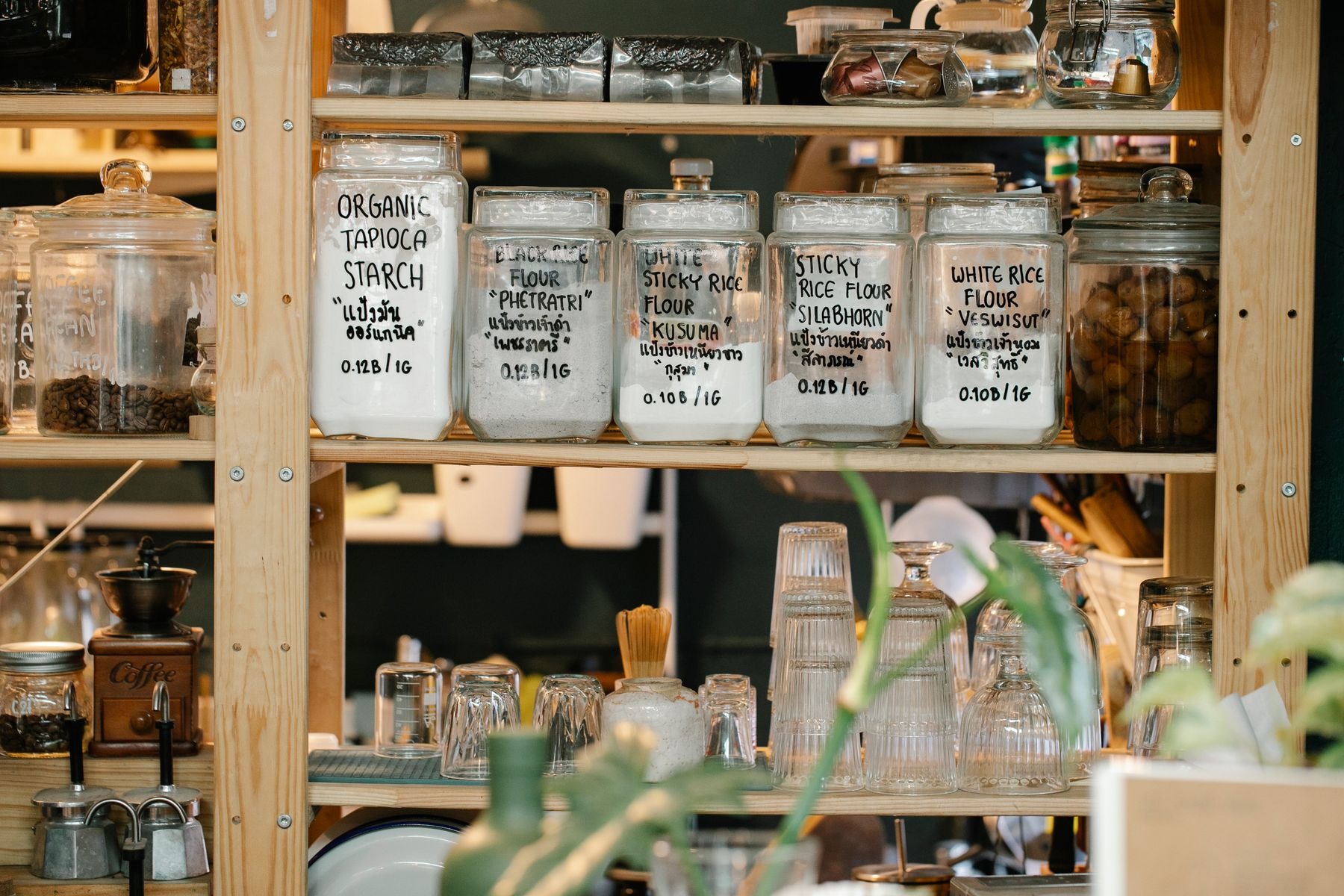
Keep these instructions when decanting, along with the food name and relevant product details.
Organize the Pantry Around Visibility
Place older suitable products in front of newer ones and group similar foods together. Keep a small use-first area for ingredients already assigned to upcoming meals. Do not let it become a holding pen for food whose condition or storage history is uncertain.
Use clean, dry, food-safe containers if you decant. Avoid repeatedly topping up old contents with new food, which makes dates and batch identification harder to track. Store food away from excessive heat and dampness according to its instructions. Check the actual environment, not just whether the cupboard door closes.
Use a Short Decision Sequence
First identify the region and date wording. Next check package integrity, storage history, and any after-opening limit. Then decide whether the food belongs in a planned meal, needs further guidance, or should be discarded. Do not use smell as a universal safety test.
- Read the words beside the date.
- Apply local, product-specific guidance.
- Inspect the package and storage history.
- Record opening dates.
- Keep usable older stock visible.
This approach reduces both careless disposal and unsafe assumptions. The goal is a pantry you can understand at a glance, with enough information retained to make the next decision confidently.