Using less added salt is easier when the food has other clear flavors. That might mean warm cumin in a bean dish, dill beside potatoes, or lemon and parsley over cooked vegetables. Herbs and spices do not imitate salt exactly. Their value is that they give a dish direction, so seasoning becomes more than repeatedly reaching for the salt container.
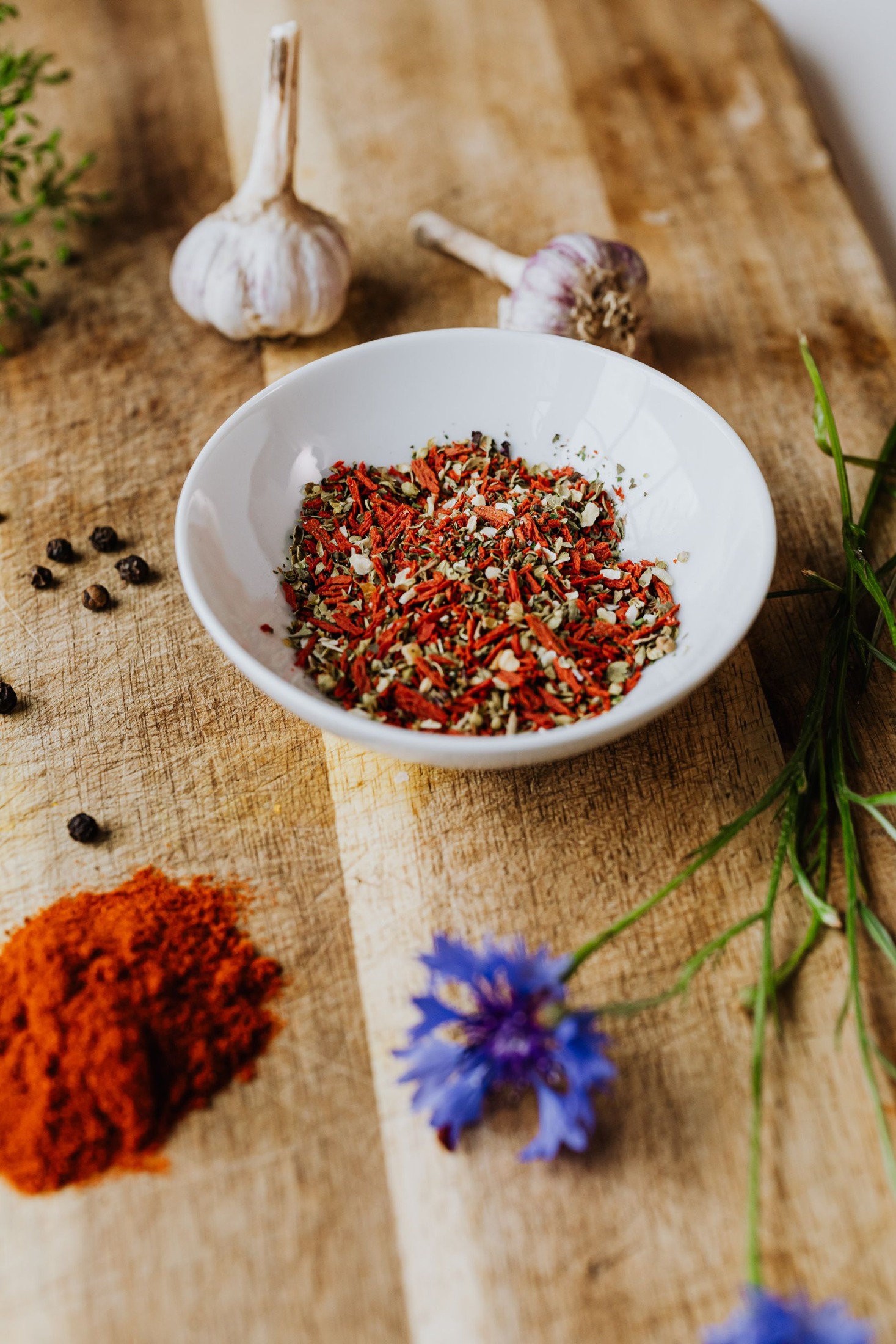
Choose a Flavor Direction Before Opening Jars
Start with the main ingredient and cooking method. Beans simmered with tomatoes can take oregano and smoked paprika, while a cucumber dressing may suit dill and black pepper. Pick a small combination rather than adding every spice that seems vaguely compatible.
The FDA recommends herbs, spices, and no-salt seasoning blends as ways to add flavor. Use that advice as a kitchen technique, not a promise that a particular spice produces a health transformation. The immediate question is whether the food tastes clear, balanced, and enjoyable with less reliance on added salt.
Learn the Roles of Fresh and Dried Herbs
Dried herbs are convenient for simmered sauces, soups, and marinades. Fresh herbs can add a different aroma and texture near serving. They are not always interchangeable spoon for spoon, and a recipe’s stated quantity is a better starting point than an automatic substitution rule.
Use sturdy herb stems thoughtfully where they suit the dish, removing woody pieces before serving. Delicate leaves can be chopped near the end to avoid turning them into an indistinct cooked mass. Buy herbs with two planned uses, such as parsley for a bean salad and a vegetable finish, rather than a single decorative sprinkle.
Add Spices at the Right Stage
Ground spices can be briefly warmed with other ingredients when the recipe calls for it, but avoid scorching them in a very hot dry pan or oil. Burned spice tastes bitter and cannot be repaired by adding more salt. Keep the heat manageable and have the next ingredient ready.
For soups and sauces, add modest amounts early enough to disperse, then taste later. For a dry vegetable coating, mix the spices with the other coating ingredients so they reach more than one spot. A heavy patch of chili or cumin can make a dish seem uneven even when the total quantity is reasonable.
Check Whether the Blend Already Contains Salt
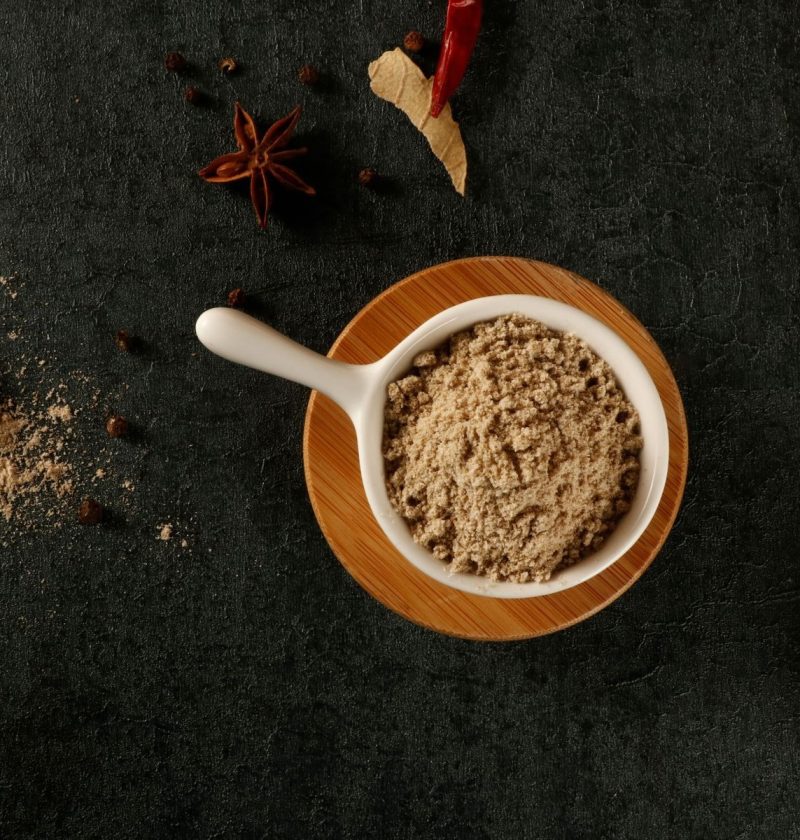
Garlic powder and garlic salt are different products. Curry mixtures, barbecue seasonings, stock powders, and all-purpose blends can also vary considerably. Read the ingredient list rather than assuming that a jar in the spice section contains only herbs and spices.
| Ingredient to check | Possible alternative approach |
|---|---|
| Garlic salt | Garlic powder with separately controlled salt |
| Seasoned stock powder | Suitable lower-sodium stock and individual herbs |
| All-purpose seasoning | A clearly labeled no-salt blend |
| Salty finishing condiment | A smaller measured amount plus herbs or lemon |
Keep flavoring and salt decisions separate when that makes the finished meal easier to control.
Use Acid, Aroma, and Texture Together
Lemon juice or vinegar can sharpen a finished dish, while citrus zest adds aroma without the same amount of liquid. Add a little, stir, and taste. Too much acid creates another imbalance rather than solving a bland sauce. Check that the peel is suitable and wash fruit before zesting.
Texture also changes how a meal feels. Chopped herbs, toasted seeds, or a crisp vegetable accompaniment can make a soft bean dish more interesting. These additions should support the meal rather than become a pile of competing garnishes. Choose one or two clear contrasts and stop when the dish feels coherent.
Keep Three Small Combinations Ready
Try an herbal combination of oregano, parsley, and lemon for vegetables or beans. Use cumin, coriander, and a little chili for a warm lentil base. Pair dill, black pepper, and mustard with potatoes or a yogurt dressing, checking the mustard’s label if sodium is part of your comparison.
Write down combinations that worked with the foods you cook most often. Include the stage when you added them, not just the ingredient names. Paprika stirred into a moist sauce behaves differently from paprika left exposed on a hot tray. A short kitchen note can prevent repeating the same seasoning mistake.
Store Seasonings So Their Flavor Remains Useful
Close jars tightly and keep them away from steam, excessive heat, and direct sunlight. Shake spices into a small dish instead of holding the jar over a steaming pot. This also makes accidental overpouring easier to catch before it reaches dinner.
- Pick one flavor direction.
- Read blends for added salt.
- Avoid burning ground spices.
- Add fresh finishes deliberately.
- Taste before adding more seasoning.
Buy quantities you can use while their aroma remains appealing. A smaller collection of familiar, well-used seasonings is more practical than a crowded shelf of jars you cannot distinguish by smell or remember how to use.