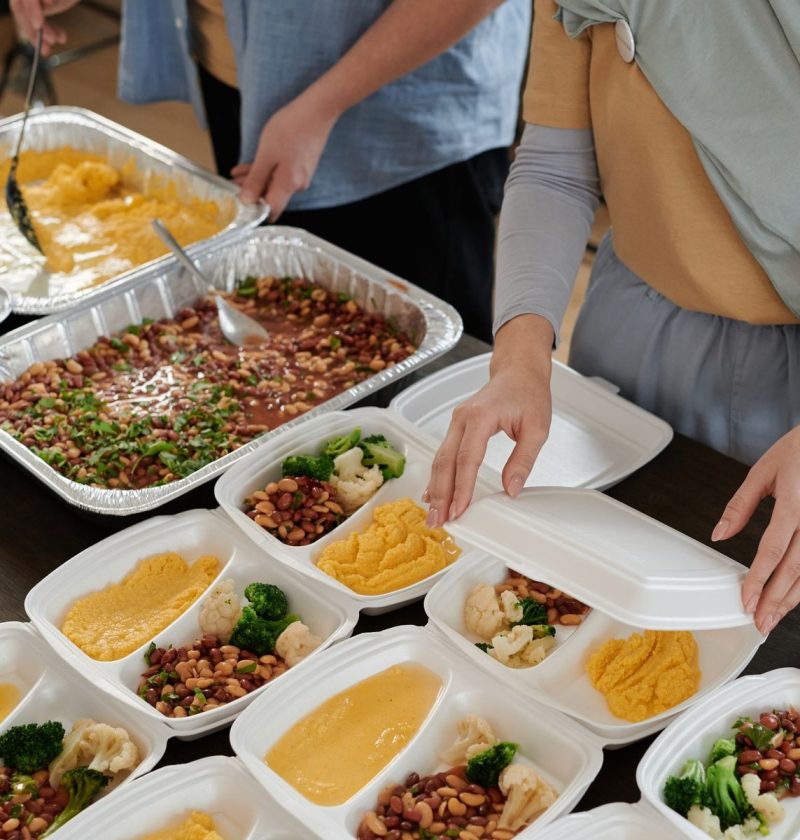
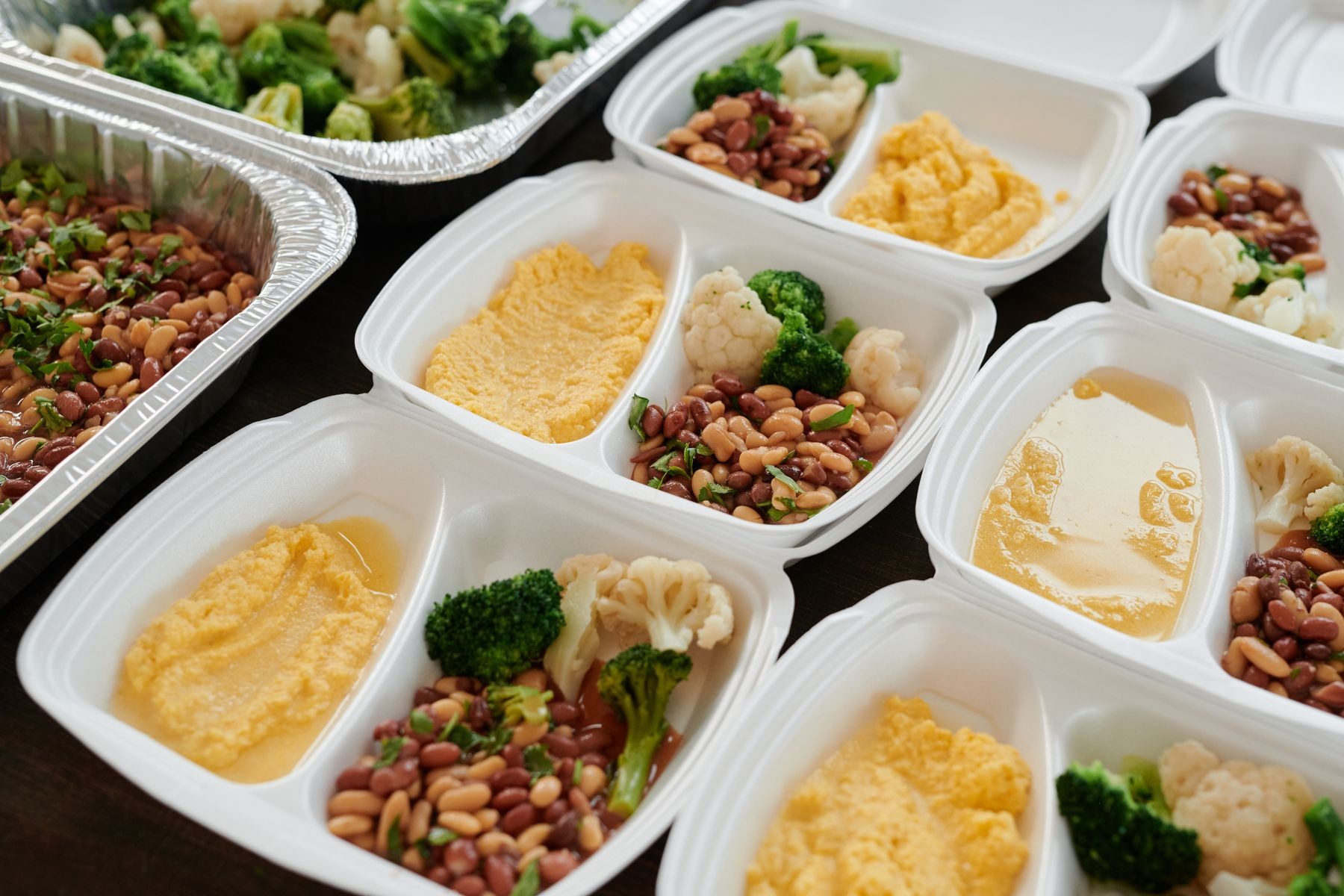
Freezing components rather than complete meals can make a small batch of cooking more flexible. A tomato sauce can go with pasta, beans, or a baked potato, while cooked lentils can join several different dinners. The freezer works best when portions are recognizable, packages fit the available space, and the plan includes how each component will return to the table.
Freeze Something With a Named Future Use
Choose components you already know how to use. A plain sauce, cooked beans, or a vegetable stew base may be more versatile than a fully dressed salad. Delicate fresh toppings and crisp garnishes are usually easier to add after reheating rather than freezing them into the base.
Write the intended use before packing: lentils for pasta sauce, beans for soup, or tomato base for two dinners. This is more helpful than labeling everything leftovers. If a component needs additional cooking or seasoning later, note that too so another person can turn it into a meal.
Handle Cooling Before Freezing
Freezing is not a way to repair food that has already been held unsafely. Begin with food prepared and stored correctly. Divide a large batch into shallow containers so cooling does not depend on a deep pot slowly losing heat on the counter.
USDA advises refrigerating leftovers within two hours, or one hour above 90 F. Plan fridge space before cooking. Freeze the portions you do not expect to eat within the appropriate refrigerated storage window, rather than postponing the decision until their history becomes uncertain. Follow any stricter food-specific or local guidance.
Choose Portions That Match Assembly
Think in cooking tasks rather than identical boxes. A sauce portion might serve a whole household, while a grain portion might be easier to freeze in individual amounts. If you always have to thaw a large block to remove a little, the original package was too large for its job.
| Component | Practical portion idea | Later addition |
|---|---|---|
| Tomato sauce | Enough for one planned dish | Pasta and vegetables |
| Cooked beans | Quantity used in a usual soup | Broth and fresh seasoning |
| Stew base | One meal’s share | Bread or another starch |
| Herb sauce | Small recipe-sized portions | Fresh garnish after serving |
Keep a note of what the portion serves, without turning it into an inflexible rule about how much someone must eat.
Use Packaging That Protects and Fits
Choose freezer-safe containers or bags and follow their instructions. Allow appropriate expansion space for liquids. Remove excess air from suitable bags without squeezing food into the seal, and check that lids close securely. A package that leaks before freezing will be awkward to retrieve later.
Flat bags can stack neatly once frozen, while rigid containers protect softer foods from crushing. Use whichever shape suits the contents and your freezer. Avoid filling every gap so tightly that you cannot see labels or remove one item without disturbing a stack. Practical access matters as much as storage capacity.
Label More Than the Freezing Date
Include the food name, date, approximate quantity, and any useful instructions. Mark whether the component is already cooked. Note relevant allergens or special ingredients when several people use the freezer. A plain red sauce may contain dairy, nuts, or another ingredient that is not visible through the package.
Keep an inventory on paper or in a simple note, grouped by component rather than by vague meal category. Cross items off as they are used. Put newer packages behind older ones where practical. A freezer inventory only helps when it reflects what is actually still inside.
Plan Thawing as Part of Dinner
USDA identifies refrigerator, cold-water, and microwave thawing methods; food thawed by cold water or microwave should be cooked immediately. Do not thaw a package on the counter because you forgot to move it earlier.
For an easy routine, transfer the needed component to the refrigerator with enough time before cooking. Keep it contained, and separate raw foods from ready-to-eat components. Some cooked components can be reheated from frozen using a suitable method, but allow time for even heating rather than guessing that the melted edges mean the center is ready.
Finish the Meal With Fresh Contrast
Add a freshly prepared vegetable, herbs, a crunchy topping, or a different starch to make the thawed component part of a new dinner. Keep these additions purposeful. A frozen bean base does not need several elaborate sides to become useful.
Check reheated cooked leftovers thoroughly; USDA’s reheating target is 165 F, about 74 C. Then note whether the portion size and packaging worked. Adjust the next batch accordingly. A freezer system improves through a few repeatable, well-labeled components, not through accumulating containers that never become meals.