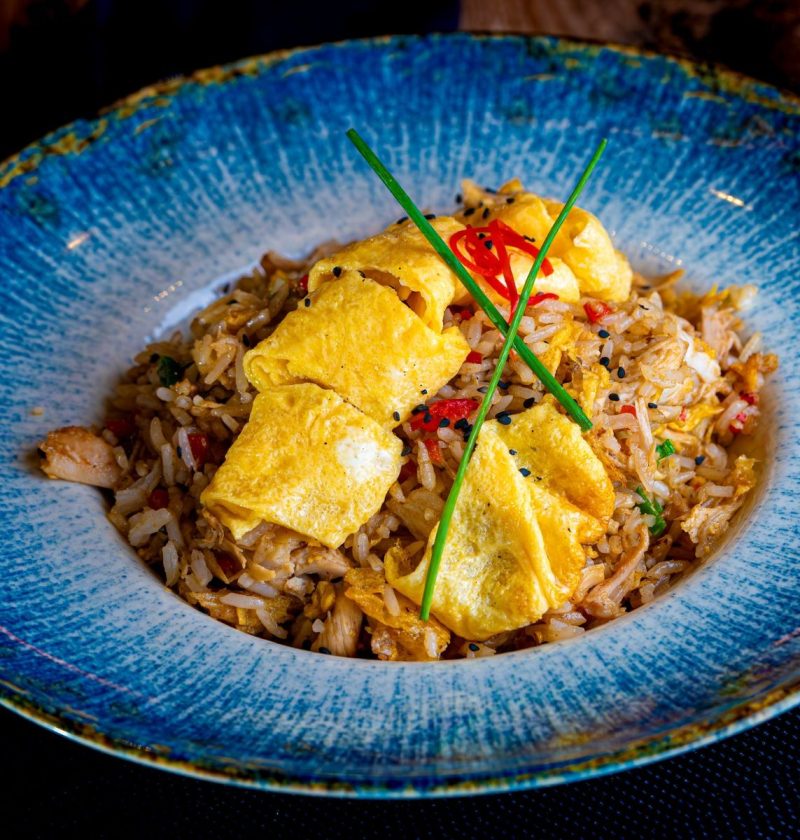
Vegetable and egg fried rice is a quick pan meal when the rice has already been cooked and handled properly. Small-cut vegetables cook fast, separate egg curds provide texture, and scallions give a fresh finish. A modest amount of soy sauce seasons the grains without making them wet or overwhelmingly dark.
Cold rice is useful because the grains are firmer and less likely to turn mushy, but refrigeration is a food-safety step, not just a texture trick. Never leave cooked rice on the counter overnight to dry it. Start with rice that was cooled promptly in shallow containers and kept cold, or make a fresh batch and chill it safely before using.
Servings, Timing, and Equipment
Makes 4 servings. Allow 15 minutes for preparation and 15 to 18 minutes for cooking, approximately 35 minutes total. That timing assumes 3 cups cooked, chilled rice are ready. Cooking and chilling rice from dry adds several hours of elapsed time. Use a broad 12-inch skillet or wok, a spatula, a bowl for the eggs, and a food thermometer.
Ingredients
- 3 cups cooked, chilled long-grain rice
- 3 large eggs
- 2 tablespoons neutral oil, divided
- 1 medium carrot, diced into 1/4-inch pieces
- 1 small red bell pepper, diced
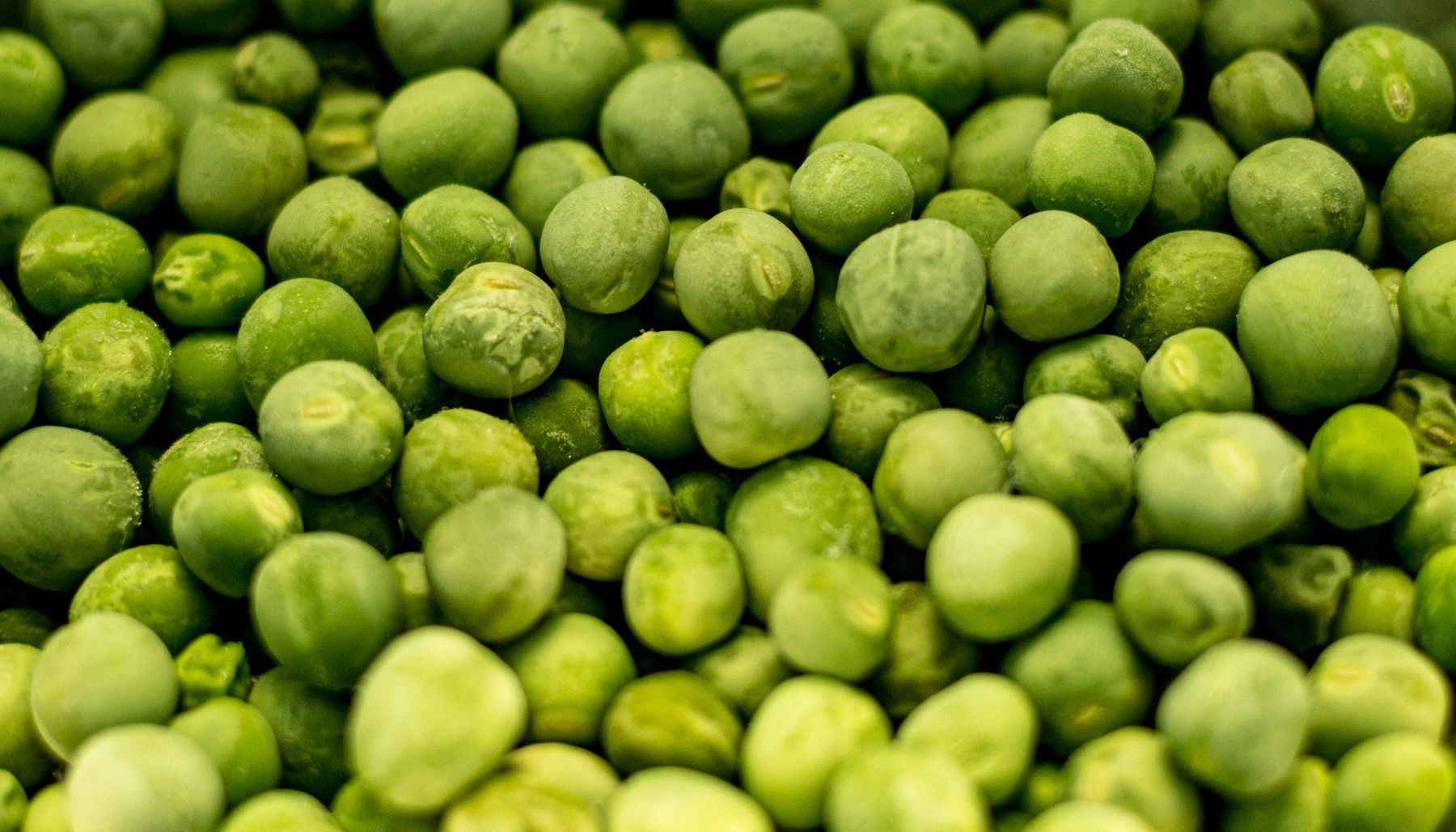
- 1 cup frozen peas, thawed and drained
- 3 scallions, sliced, whites and greens separated
- 2 garlic cloves, minced
- 1 teaspoon finely grated fresh ginger
- 2 tablespoons reduced-sodium soy sauce
- 1 teaspoon toasted sesame oil
- 1/4 teaspoon black pepper
- 1 tablespoon water, only if needed
- 1 teaspoon lime juice for serving, optional
Prepare Rice and Vegetables Before Heating
Break apart chilled rice clumps with a clean spoon while the rice is still cold. Do not rinse cooked rice to separate it, since that adds water you will then have to evaporate. Discard rice that was left unrefrigerated beyond safe limits; frying or reheating cannot reliably make improperly stored rice safe.
Keep the carrot pieces small so they soften during the short frying stage. Drain thawed peas, and pat the bell pepper dry if it was recently washed. Beat eggs until the whites and yolks are blended. Measure soy sauce separately and keep it close to the stove. Once the cooking starts, searching for ingredients can cause garlic or egg to overcook.
Numbered Fried Rice Steps
- Heat 1 teaspoon of the oil in the skillet over medium heat. Add beaten eggs and stir into curds for 2 to 3 minutes, until fully set with no liquid egg remaining. Transfer to a clean bowl. Wash any utensils that contacted raw egg before reusing.
- Add the remaining 5 teaspoons oil to the skillet and raise heat to medium-high. Add carrot and bell pepper. Stir-fry for 4 to 5 minutes until the carrot is tender with a slight bite.
- Add scallion whites, garlic, and ginger. Stir for 30 seconds. Add peas and stir for another minute, allowing surface moisture to evaporate.
- Add rice and spread it over the pan. Let it sit for 45 seconds, then turn and stir. Continue for 3 to 4 minutes, breaking remaining clumps and allowing the grains to become thoroughly hot.
- Pour soy sauce around the edge of the pan, then toss it through the rice. Return cooked egg to the skillet, add black pepper, and stir for 1 to 2 minutes.
- Check several places with a thermometer: the reheated rice mixture should reach 165 F throughout. Remove from heat, stir in sesame oil and scallion greens, and add optional lime juice before serving.
Doneness and Pan Capacity
The vegetables should be cooked but still distinct, the egg fully set, and the rice hot to the center of any remaining small clump. Steam alone is not a precise temperature check. If the mixture has not reached 165 F, continue cooking and turning it. Add the optional tablespoon water only if the pan is drying or sticking before the center heats through.
A crowded small skillet makes the rice steam. If using a 10-inch pan, cook the rice in two batches and divide the vegetables and seasoning between them. A little browning is welcome, but the recipe does not require every grain to become crisp. Avoid adding extra soy sauce to correct pale color; taste first.
Substitutions and Serving Options
Brown rice can replace white rice by volume if already cooked and chilled. Use chopped green beans instead of peas, cooking them with the carrot until tender. Tamari can replace soy sauce, with labels checked when avoiding wheat. For an egg-free version, use 6 ounces crumbled firm tofu, cooking it separately until hot before combining with the rice.
Serve as it is or alongside a cucumber salad. A spoonful of chili sauce can be added to individual portions. If adding other leftover cooked vegetables, count their storage time from their original cooking day and reheat the entire mixture thoroughly.
Cooling, Storage, and Reheating
Divide leftovers into shallow containers and refrigerate promptly at 40 F or below, within 2 hours, or 1 hour above 90 F. Use within 3 to 4 days of the rice’s original cooking, not 3 to 4 additional days after frying. Freeze portions for up to 1 month for quality. Reheat to 165 F throughout, stirring during heating. See USDA leftover guidance.