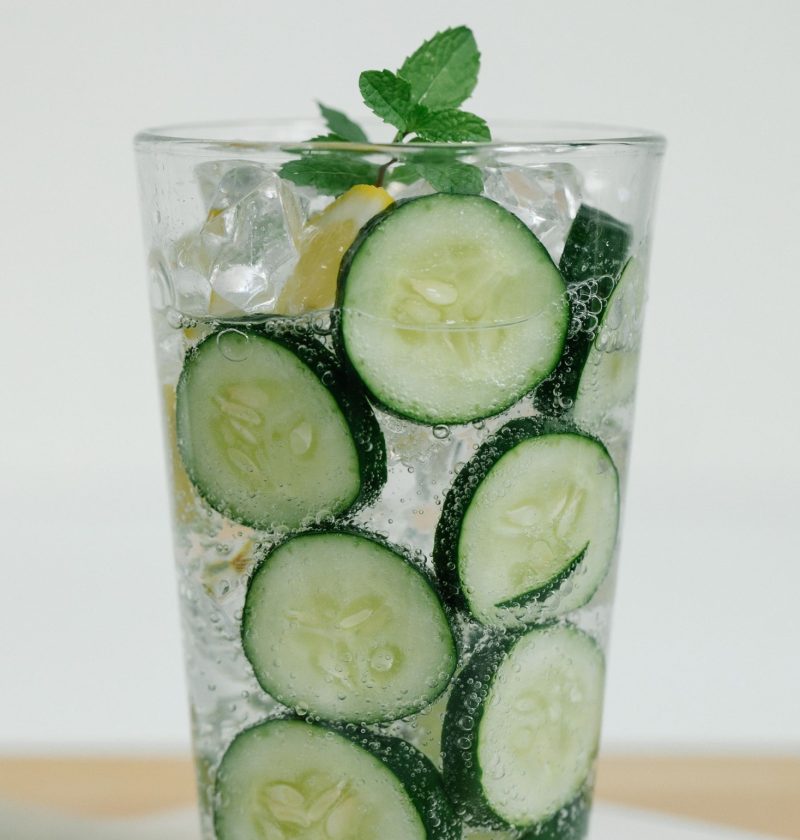
A few slices of cucumber, citrus, or a sprig of mint can give plain water a different flavor without added sweetener. Once fresh ingredients enter the container, however, the drink needs thoughtful handling. Treat it as a freshly prepared food rather than a decoration that can sit indefinitely on a desk. The focus here is clean preparation, cold storage, and a manageable batch, not a target amount to drink.
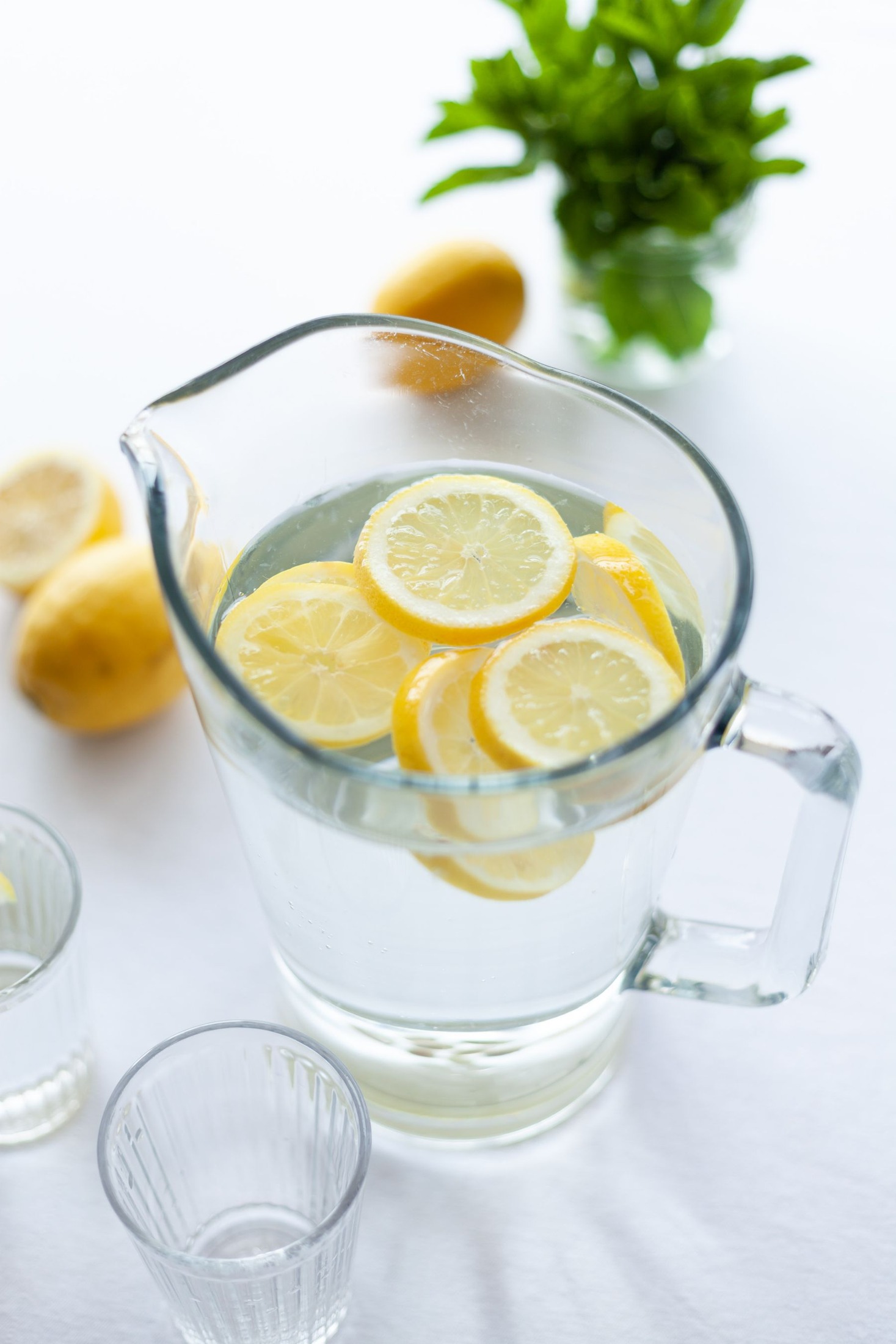
Choose a Small, Clear Flavor Combination
Start with one main ingredient and perhaps one supporting herb. Cucumber and mint, lemon and basil, or strawberry and a little citrus can give a recognizable flavor without filling the container with produce. More ingredients make cleaning and straining harder and do not automatically make the drink more appealing.
Choose sound ingredients, not fruit that is already spoiled or herbs that have become slimy. Infusing is not a way to rescue questionable produce. Avoid adding honey, syrup, or sweetened flavoring if the goal is an unsweetened drink. Fruit may still contribute some natural flavor and sugars; unsweetened is not a promise of a particular nutrient analysis.
Clean the Bottle Beyond the Visible Walls
Use a container designed for food and drink, and wash it according to the manufacturer’s instructions. Remove accessible seals, strainers, and lid parts as directed. Residue can hide beneath a gasket or inside a straw even when the main chamber looks clear.
Let the parts dry between uses where practical. A narrow neck or complicated infuser basket may be inconvenient if you cannot reach all its surfaces. Choose a simpler bottle if cleaning the existing one is consistently difficult. Rinsing an old infusion out with plain water is not the same as properly washing the container.
Wash Produce Before Cutting
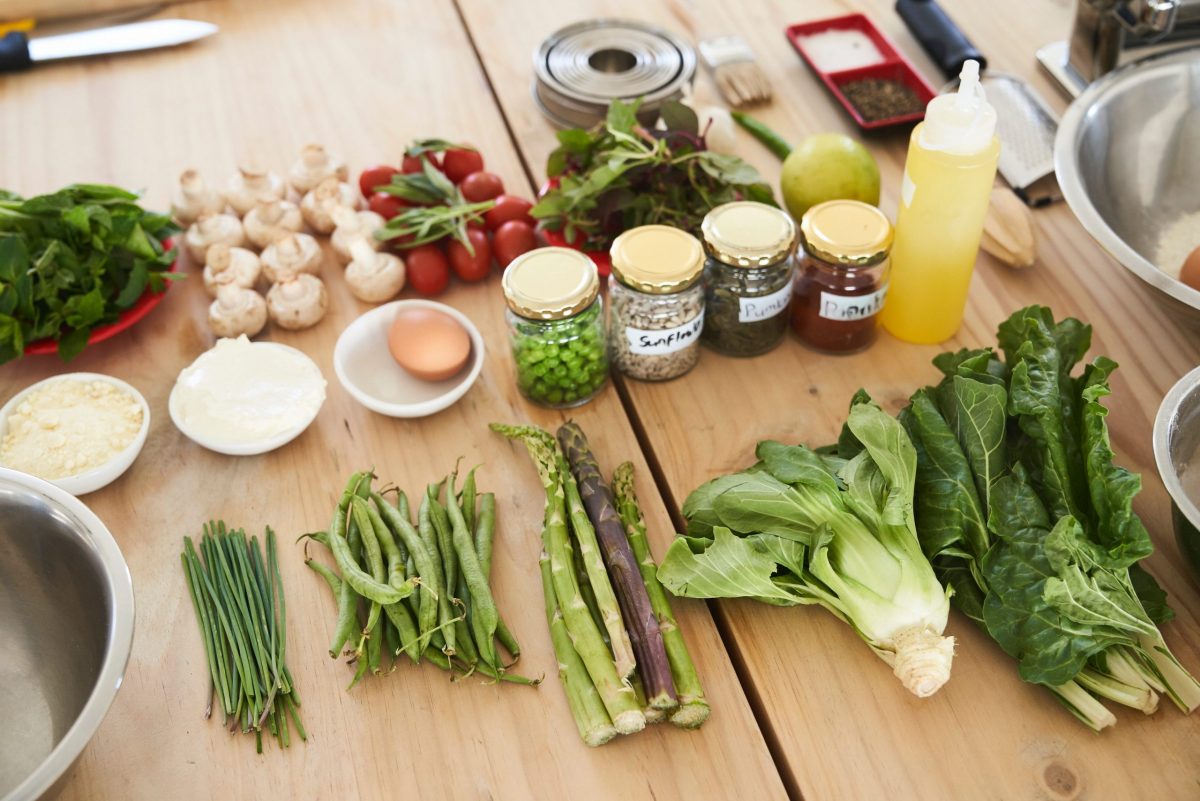
Use clean hands, a clean knife, and a clean board. The FDA advises rinsing produce under plain running water, including produce that will be peeled. Keep ingredients away from raw-food preparation surfaces.
Rub smooth surfaces gently and use appropriate cleaning for firm produce. Do not add soap or household cleaning chemicals to the fruit or vegetables. Rinse herbs carefully and remove spoiled leaves. Slice ingredients into pieces that can be removed easily rather than making a fine mash that is difficult to clean out of the bottle.
Infuse in the Refrigerator
Add the prepared ingredients to a clean container with safe drinking water, cover, and refrigerate while the flavor develops. For this home routine, make only what you expect to use that day. This is a conservative preparation choice, not a claim that every possible infusion shares one scientifically established shelf life.
The FDA advises a refrigerator temperature of 40 F or below. Use a thermometer to check the appliance. A covered pitcher on a kitchen counter is not equivalent to cold storage, and adding lemon does not establish that the whole mixture has become safely preserved.
Keep Serving and Transport Cold
Pour a serving and return the main container to the refrigerator rather than leaving the whole batch beside a meal for hours. For travel, use a clean insulated container and a suitable cold-storage arrangement. Do not assume a bottle feels cold enough simply because it began in the refrigerator.
| Situation | Practical approach |
|---|---|
| Flavor developing | Covered container in the refrigerator |
| Serving at home | Pour, then return the batch to cold storage |
| Taking it out | Keep chilled with suitable equipment |
| Unknown warm storage | Discard rather than trying to refresh it |
Apply conservative perishable-food handling, including the FDA’s two-hour limit out of refrigeration, shortened to one hour above 90 F.
Do Not Refill Over Yesterday’s Ingredients
Repeatedly topping up an old bottle makes its preparation history unclear. The newest water does not reset the age of the fruit or clean the lid. Empty the container, discard the used ingredients, wash the parts, and begin a fresh batch.
Remove produce when its flavor has developed enough for your preference, especially if citrus peel becomes bitter or soft berries start breaking apart. Straining is a texture choice, not a safety treatment. Clear-looking water can still have an unsuitable storage history, and a pleasant smell does not establish that it is safe.
Make the Routine Easy to Repeat
Keep the combination simple enough that cleaning does not outweigh the enjoyment. Prepare ingredients beside another food task, use a covered container that fits the refrigerator, and mark the preparation date if several drinks are stored together.
- Sound produce and safe drinking water.
- Clean bottle, lid, and removable parts.
- Produce washed before slicing.
- Infusion and storage kept refrigerated.
- Fresh ingredients for each new batch.
The result is an ordinary flavored drink with a clear preparation history. It does not need cleansing claims, special wellness language, or a complicated ingredient collection to be worth making.