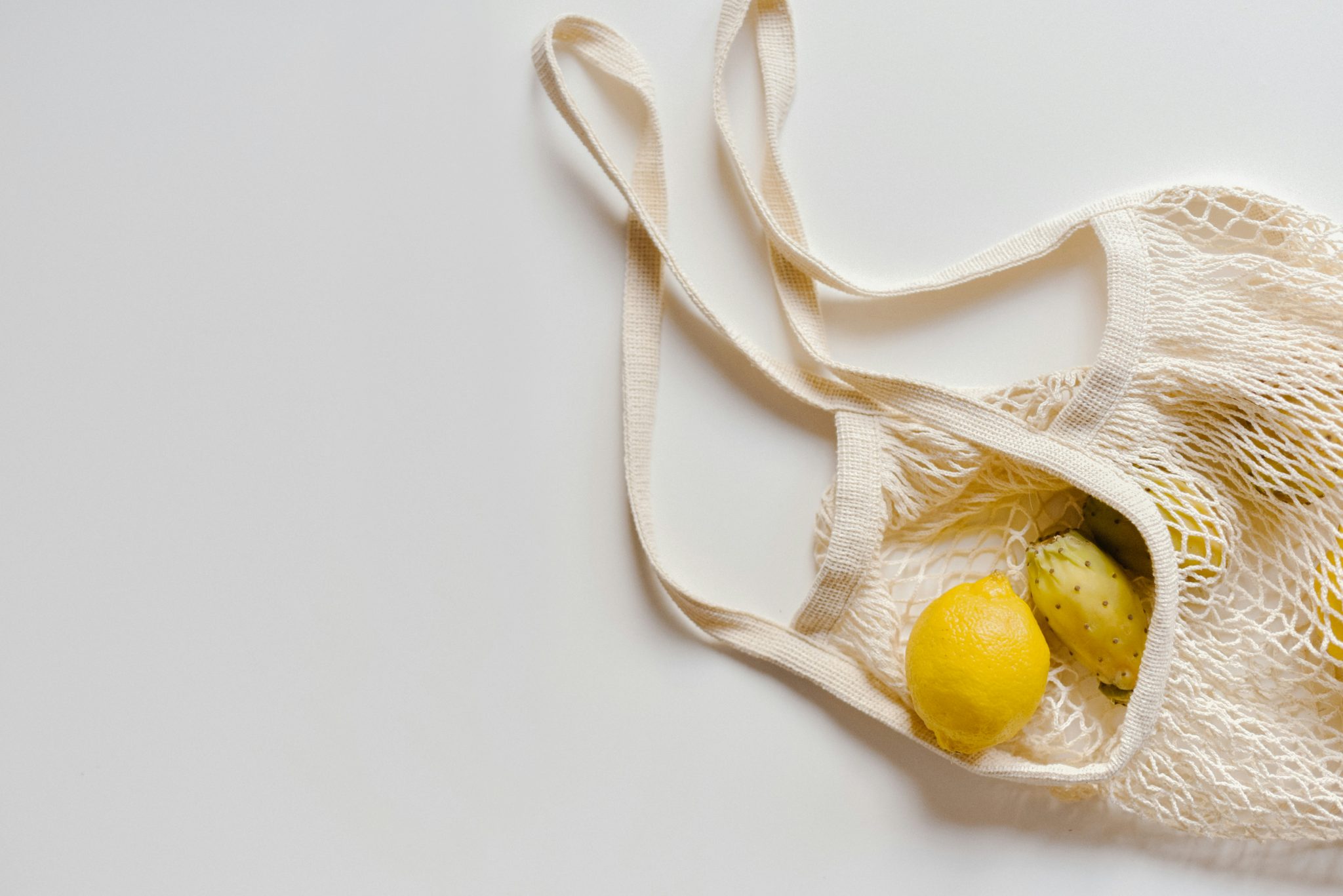
A fresh start with food can be appealing when your usual routine no longer feels useful. Perhaps lunch has become an afterthought, or you keep setting ambitious cooking goals that disappear when work gets busy. You do not need a strict diet to respond. A more practical fresh start is a small experiment: notice one difficulty, change something manageable and see whether it makes daily life easier. The aim is to build an approach you can repeat, with room for ordinary disruptions.
Start with the problem you actually have
Before deciding what to change, describe a recent eating difficulty in plain language. “I need to eat better” is hard to act on. “I reach lunchtime without anything available” gives you something concrete to work with. So does “I choose dinners that take longer than I have” or “I forget to buy food I enjoy for breakfast”.
Look at the circumstances without turning them into a judgement about your character. A rushed meal might reflect a short break, an empty fridge or competing responsibilities. Identifying the obstacle helps you choose a response that fits. More rules will not necessarily solve a shortage of time.
Choose one recurring situation to address first. You can care about several aspects of eating without trying to change them all at once.
Turn your intention into a small experiment
An experiment has a clear action and a chance to review it. It does not require you to declare that you will eat a certain way forever. This makes it easier to adjust an idea that sounds sensible but does not suit your household.
For example, if lunch is regularly squeezed out, your experiment might be to keep bread, eggs and a vegetable you enjoy available for a quick meal. If elaborate dinners leave you frustrated, you might try a familiar, simpler meal on your busiest evening.
- Name the situation: identify when the difficulty tends to happen.
- Choose the action: describe something you can actually do.
- Make it realistic: account for your time, budget and available equipment.
- Set a review point: after several opportunities to try it, decide what helped.
Keep the action small enough to use during an ordinary week. A plan that only works when you are unusually organised is giving you limited information about what will last.
Add something useful before making a ban
Strict diets often begin with a list of foods to remove. For your experiment, consider what would make a meal more complete, enjoyable or convenient. You might add peas to a familiar pasta dish, serve fruit alongside breakfast or include beans in a soup you already like.
General healthy eating guidance encourages variety across vegetables and fruit, starchy foods, protein foods, dairy or suitable alternatives, and sources of unsaturated fat. You can work towards that variety across your meals without making every plate a perfect demonstration.
An addition should earn its place in your routine. If a particular vegetable repeatedly goes unused, try another form or another food. Frozen spinach stirred into a sauce might fit your cooking better than a bag of salad. The useful choice is one you will prepare and enjoy.
Give the plan a smaller version
It helps to decide what your experiment looks like when you have less time or energy. This is part of the plan, rather than evidence that it has gone wrong. Your usual version might be a cooked evening meal with several ingredients; the smaller version could be beans on wholemeal toast with tomatoes alongside.
Keep a few familiar combinations in mind. A jacket potato with a filling, eggs with bread and vegetables, or a quick lentil soup can provide a workable meal without an elaborate cooking session. Choose combinations that suit your preferences and any dietary requirements.
A convenient meal can still be a useful meal. You do not have to cook every component from scratch to make a fresh start meaningful.
Measure usefulness, not obedience
A strict plan can encourage you to judge the day by whether you followed its rules. An experiment gives you more useful questions. Was lunch easier to arrange? Did you enjoy the meal? Was the preparation manageable? Could you repeat it without feeling that food had become another demanding project?
You could jot down a brief observation after trying your change. “Worked on my home day; awkward at the office” tells you more than a tick or a cross. There is no need to record every ingredient or turn meals into a scoring system.
Practical results count. Less last-minute decision-making, a meal you look forward to, or fewer abandoned ingredients can all suggest that a change deserves another try.
Decide how you will handle interruptions
Visitors, late meetings, travel and changing appetites will sometimes interrupt your plans. Decide in advance that an interruption calls for a practical response. If your planned dinner becomes a takeaway, you can return to your usual meals at the next suitable opportunity.
You do not need to compensate by skipping food or setting stricter rules. Instead, ask whether the interruption revealed something useful. Would a quicker fallback help? Did you underestimate the time available? Or was it simply an unusual day that requires no adjustment?
A fresh start does not need a particular date. You can return to a helpful action whenever it becomes possible, without waiting for a clear diary or a new shopping week.
Keep, adjust or replace the experiment
At your review point, choose a response based on what happened. Keep the change if it was useful and manageable. Adjust it if part of it worked. Replace it if it created more effort than benefit.
For instance, preparing lunch in the evening may prove unrealistic, while keeping easy lunch ingredients available works well. That is a useful discovery. You have found a better match for your circumstances, even though the original idea changed.
Once an action feels familiar, you can consider another small experiment. There is no requirement to keep adding goals. Sometimes the best next step is to let a helpful routine settle.
Leave room for your own needs
Your eating routine needs to accommodate enjoyment, culture, access to food and the people you eat with. A plan that ignores those things may be difficult to maintain, however tidy it looks on paper. Choose changes that support your daily life and remain open to revising them.
If you have a specific health condition, ask your GP or a registered dietitian for advice suited to you. If food rules are causing distress or making it difficult to eat enough, seeking support is also a constructive step. For an everyday fresh start, begin with one solvable difficulty and a manageable action you can try at your next meal.