Eating more legumes can start with a spoonful added to a meal you already enjoy. You do not need a new collection of recipes or a cupboard full of unfamiliar ingredients. Beans, lentils, chickpeas and peas can slip into everyday cooking in small, useful ways. Begin with a dish you make often, then repeat the addition until it feels like a normal part of preparing dinner.
Give one ingredient a regular job
Think about what you actually cook on a busy evening. Perhaps it is pasta with tomato sauce, baked potatoes, scrambled eggs or a quick curry. Choose one meal and decide where a little cooked legume would fit. Lentils can join a sauce, white beans can become part of a potato topping, and cooked peas can go into an omelette filling.
The important step is making a specific connection. Buying beans because you want to eat them more often leaves you with another decision at dinnertime. Buying beans for your usual Wednesday baked potatoes gives them a purpose. Repeat that combination a few times before looking for another opportunity.
Start with a form that fits your cooking
Legumes are a family of plants that includes beans, lentils, chickpeas and peas. In the kitchen, the useful distinction is whether they are ready to eat or need cooking first. Tinned and pouched versions make small additions straightforward. Dried varieties need the preparation and cooking described on their packets.
- Cooked green or brown lentils: easy to stir into a sauce or savoury filling without changing its character too much.
- Cooked white beans: mild and soft enough to mash into a topping or fold into a creamy vegetable dish.
- Cooked chickpeas: useful when you want a firmer bite in a curry or alongside roasted vegetables.
- Frozen peas: convenient to cook in small amounts according to the packet instructions.
- Dried red lentils: useful in simmering dishes when you can allow enough liquid and time for them to soften fully.
You do not need all of these at once. Choose the type that suits the meal you have in mind, then learn what you enjoy about it.
Try small additions to familiar meals
Put lentils into your usual pasta sauce
For two portions of tomato-based pasta sauce, begin with about four tablespoons of cooked lentils. Stir them into the sauce and heat thoroughly. Add a splash of water if the mixture becomes too thick, keeping the garlic, herbs and vegetables you normally use.
This works in a mince-based sauce too. Replace a little of the mince with cooked lentils, or add them to make the sauce stretch to another portion. Taste before serving, because the extra ingredients may need more of the seasoning already in the pan.
Add white beans to a potato topping
Roughly mash a few spoonfuls of cooked cannellini or butter beans with a fork. Mix them with grated cheese and black pepper, or with tuna and chopped spring onion. A little plain yoghurt can loosen a thick mixture. Keep some beans whole if you like a chunkier filling.
Serve the topping on a baked potato with vegetables alongside. If others in the household are unsure, put the beans on the table separately so everyone can choose how much to add.
Make peas part of the dish
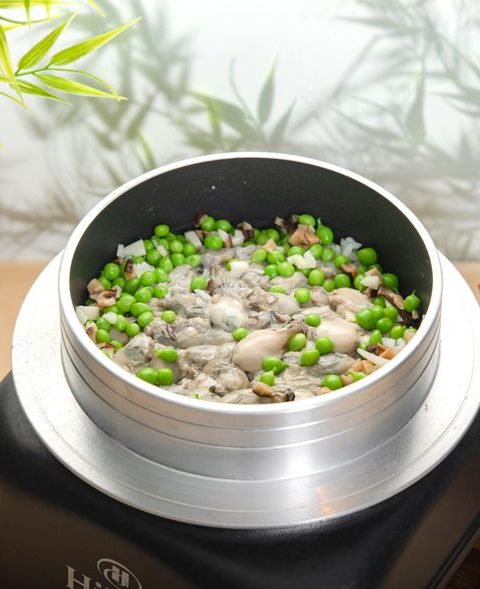
Cook peas according to the packet, then fold them through couscous, a potato salad or an omelette filling. Lemon, mint and parsley suit their sweetness. This can be easier to remember than making an extra side dish, particularly when you are already juggling several pans.
Keep the flavour familiar
Small additions work best when they taste like they belong in the meal. Stir beans into a sauce so they are coated, rather than dropping them on top just before serving. Let them heat through properly, then taste the whole dish before deciding whether it needs anything else.
Use flavours you already like. Smoked paprika suits a tomato topping; cumin works with a vegetable curry; lemon and parsley lift mild white beans. You do not need a new spice collection. A familiar seasoning can make an unfamiliar ingredient easier to enjoy.
Texture matters as well. Mash some beans if whole ones feel too prominent. Try firmer cooked lentils if softer ones disappear into your sauce. If a combination disappoints, change the bean or the amount before deciding that legumes are not for you.
Use a cue you already have
Link the addition to a routine action. When you take out the pasta, get the cooked lentils ready. When you put potatoes in the oven, decide on the bean topping. When you reach for eggs, consider whether peas would suit the filling.
A short shopping note helps: write the ingredient beside its intended meal. You can also keep a list of combinations that worked, especially if your household has different preferences. Two dependable options are more useful than a long list of ideas you never repeat.
Make the next attempt easy. If you liked lentils in your tomato sauce, add them to the shopping list while you remember. There is no need to find a more ambitious dish simply because the first one went well.
Increase amounts at your own pace
Legumes contribute fibre and can be part of varied eating. If you rarely eat them, begin with small additions rather than suddenly serving large bowls. Give yourself time to find amounts and types that feel comfortable, and drink regularly through the day.
You do not have to include legumes in every meal. A few reliable opportunities are a useful starting point. For advice about a specific health condition, a restricted diet or persistent digestive symptoms, speak to your GP or a registered dietitian.
Have a plan for the remainder
Before opening a pack, think about where the rest will go. If some cooked beans are going into tonight’s potato topping, perhaps the remainder can join tomorrow’s sauce. Choose a smaller pack when that suits your household better.
Follow the packaging instructions for storage after opening. Transfer unused tinned legumes to a covered container in the fridge and label it. If you cannot use the remainder within the recommended time, check whether it is suitable for freezing and freeze it promptly in portions you will use.
With dried legumes, follow the packet instructions for soaking and cooking rather than treating them as ready-cooked beans. Keep your first regular addition simple: a spoonful in a familiar meal, prepared properly and repeated often enough to become easy.