Coming home from a holiday can leave everyday eating feeling oddly complicated. The fridge may be empty, your usual lunch arrangements have disappeared, and the first working day arrives before you have unpacked. You do not need a complete dietary overhaul. What helps most is a practical transition from holiday arrangements to the meals that fit your normal week.
This guide focuses on that changeover: the journey home, the first evening, and the first few days back at work or school. Whether you have been away visiting family, camping or staying somewhere with meals provided, the aim is to make ordinary eating manageable again without turning your return into another demanding project.
Start with the day you actually arrive home
A late arrival needs a different plan from a leisurely afternoon at home. Before travelling, think about when you will next have access to food and what will be realistic once you arrive. If the shops will be closed, an ambitious promise to cook from scratch is unlikely to help.
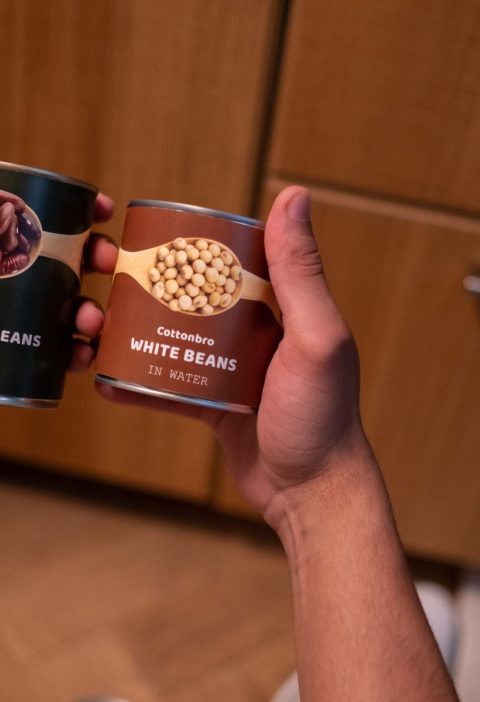
Choose one straightforward arrival meal. Pasta with tinned tomatoes and beans, scrambled eggs on toast with peas, or a jacket potato with a filling you enjoy can all work. A ready meal with some vegetables alongside is also a reasonable option when travel has taken most of your time and attention.
If you are already home without supplies, solve the next meal first. There is no need to organise an entire week while hungry and surrounded by luggage. Eat, then decide what needs doing next.
Check what is usable before replacing everything
Returning to a kitchen after time away calls for a quick check rather than an immediate large shop. Look at what is in the fridge, freezer and cupboards, paying attention to foods left behind before you travelled. Follow use-by dates and storage instructions; an acceptable smell does not establish that food is safe.
Separate this check from any feeling that you should finish everything because it was bought before the holiday. Keep usable ingredients in mind when choosing your next meals, but discard anything that is unsafe. If someone looked after your home or you had a power interruption, establish whether chilled and frozen food stayed properly stored.
A short note is enough: bread in the freezer, oats in the cupboard, unopened beans, and any fresh produce still suitable to use. This gives you a starting point without requiring a full kitchen reorganisation.
Buy a bridge to your usual routine
The first shop back does not have to resemble your ideal weekly shop. Its job is to cover the gap between arriving home and having the time to settle properly. Buy for the next few days, especially if work messages, washing and school preparations are competing for your attention.
Choose foods that have an obvious place in a meal. A bag of spinach is more useful when you know it will go into eggs or pasta than when it represents a vague intention to eat better.
- For your first mornings: oats, bread, eggs, yoghurt or a suitable alternative, and fruit you enjoy.
- For an easy lunch: wraps or bread, beans, hummus, cheese or another filling, plus salad vegetables.
- For uncomplicated dinners: potatoes, pasta or another familiar staple, with vegetables and a protein food.
- For delays: a convenient meal or cupboard combination you can prepare when the day runs late.
Adjust these ideas to your household, preferences and dietary needs. You are restoring access to familiar food, so there is little reason to buy unfamiliar ingredients that require extra research or equipment.
Put meals back into the returning timetable
Holiday eating often follows different timings because days begin later, activities run longer or meals are shared with other people. Once you return, look at the actual shape of your day. A commute, school run or early meeting may change when you can comfortably eat.
Identify the moments most likely to cause problems. Perhaps breakfast disappears during the rush out, or lunch gets pushed aside while you catch up at work. Make one practical arrangement for each: leave breakfast ingredients together, block a lunch break in your diary, or take something with you when food will be difficult to find.
These are flexible arrangements rather than rules about eating at exact times. If your appetite does not immediately match your old schedule, allow some room to adjust. You can take a smaller breakfast with an additional option for later rather than forcing a large meal or heading out with nothing available.
Make the first working lunch a deliberate choice
The first lunch back deserves attention because it is easy to overlook while preparing everything else. Decide the evening before whether you will bring lunch, eat at home or buy something near work. Any of these can fit a balanced routine; the useful part is knowing which one you intend to do.
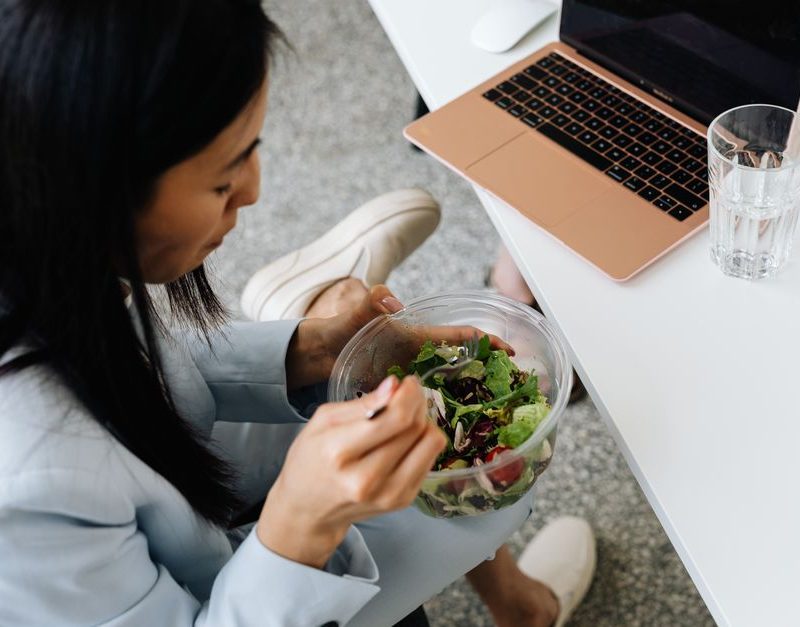
If packing lunch, keep it familiar and easy to assemble. Try a bean and cheese wrap with cucumber, leftover pasta with peas and tuna, or bread with hummus and vegetables. Include enough food for your appetite, with fruit or another addition if you want it. Use appropriate chilled storage for perishable ingredients.
If buying lunch, check what is available before the busiest part of your day. Choosing where you will eat removes a decision from a period when you may already be distracted.
Give dinner a fallback from the beginning
A return-to-work day can run longer than expected. Rather than treating a change of dinner plan as a failure, choose your fallback alongside your intended meal. This is particularly useful when the planned dinner depends on getting home early or stopping at a shop.
For example, you might intend to roast vegetables and cook fish, with beans on toast and a side of vegetables available if the evening becomes crowded. Or keep frozen vegetables and a jar of sauce ready for a quick pasta dinner. Convenience foods can be useful parts of ordinary meals.
Keep the fallback simple. A second recipe with just as much chopping will not solve a shortage of time. The aim is to have something satisfying available even when the timetable changes.
Keep enjoyable holiday food in the picture
Getting back to routine does not require leaving every holiday pleasure behind. You might have enjoyed tomatoes with breakfast, lentil dishes, a particular sandwich filling or eating dinner outdoors. Bring back whichever ideas suit your everyday kitchen.
Equally, food brought home can sit alongside your usual meals. You do not need to finish all the biscuits immediately or keep them out of sight until you feel you have earned them. Follow storage instructions and enjoy them when you want them. Everyday eating can accommodate both familiar staples and foods chosen for pleasure.
Review the practical snags after a few days
Once you have experienced a few ordinary days again, notice what actually needs adjusting. Did you run out of lunch ingredients? Was dinner too elaborate for your evening? Did you forget that your new commute leaves less time in the morning?
Change the arrangement that caused the difficulty rather than setting stricter intentions. Buy an extra lunch filling, choose a quicker dinner or prepare breakfast before bed. If you need advice tailored to a specific health condition, speak to your GP or a registered dietitian. For the everyday return home, begin with the next meal and let a workable routine take shape around your real life.