Breakfast variety does not require a cupboard of powders, bars, and foods marketed specifically for the morning. Everyday ingredients can provide different protein options in sweet or savory meals. The useful starting point is how you like to eat and how much preparation the morning allows. A cold bowl, a quick piece of toast, and a warm skillet can all have a place in the week.

Begin With the Breakfast You Already Enjoy
Keep the familiar structure and change one component. If you like oats, consider the milk or yogurt you use alongside them. If toast is your usual choice, rotate toppings such as eggs, beans, or a suitable nut butter. You do not need to replace a comfortable breakfast with an unfamiliar recipe to introduce variety.
The NHS balanced-diet guidance includes dairy and protein foods alongside other food groups. Use breakfast as one opportunity within that broader pattern, not as a contest to reach the largest protein number on a package. The rest of the meal still matters.
Rotate Cold Options for Busy Mornings
Plain yogurt with fruit and oats is one option; a suitable fortified soy alternative can provide another, depending on its label. Check the protein and calcium information rather than assuming every plant-based alternative is equivalent. Texture and flavor matter too, especially when the product will be eaten plain.
Cottage cheese can suit savory toast or a bowl with fruit if you enjoy it. Keep toppings ready separately so breakfast can be assembled without chopping several ingredients at once. A small routine of clean bowls, accessible oats, and washed fruit may help more than preparing an elaborate breakfast that becomes another evening chore.
Give Savory Breakfasts More Than One Form
Eggs do not have to appear in the same format every time. A cooked egg on toast, a vegetable omelet, or an egg served with a warm potato-and-vegetable mixture creates different meals. Choose a method you can complete safely and comfortably in the available time.
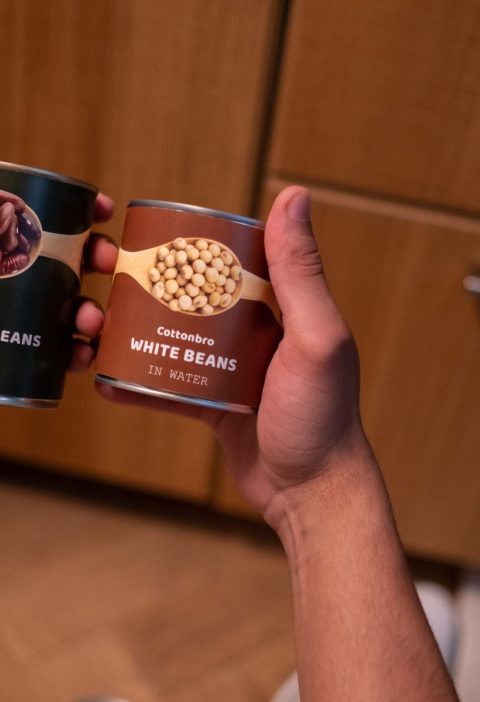
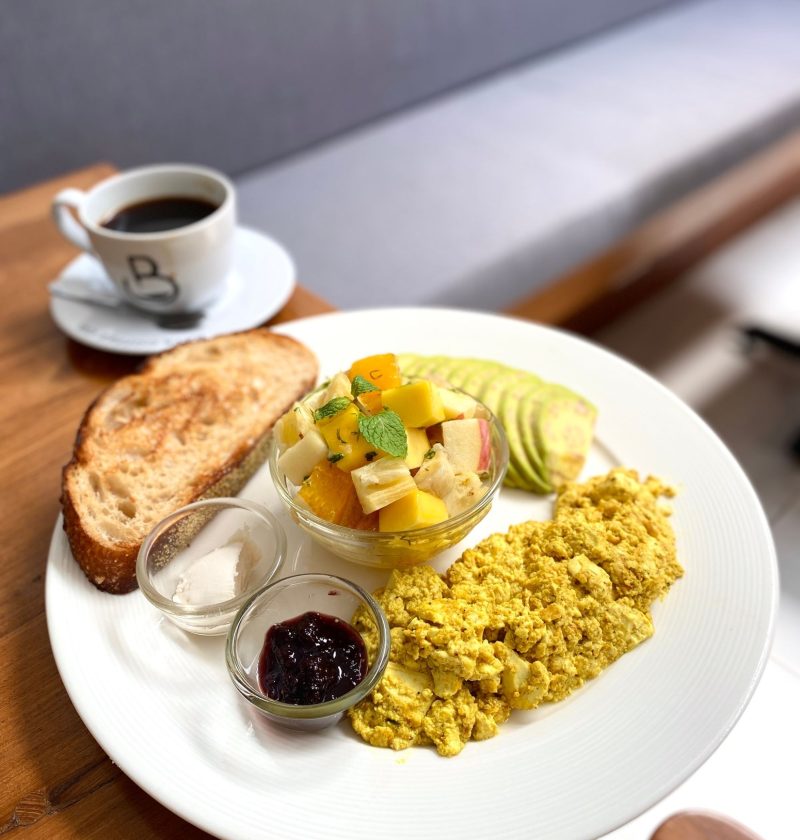
Beans on toast offer another familiar direction. Use a prepared product intentionally or warm plain beans with tomatoes and herbs. A tofu scramble can use vegetables already assigned to breakfast rather than becoming an excuse to empty every leftover into a pan. Keep the flavor combination simple and purposeful.
Use Nuts and Seeds as Part of the Meal
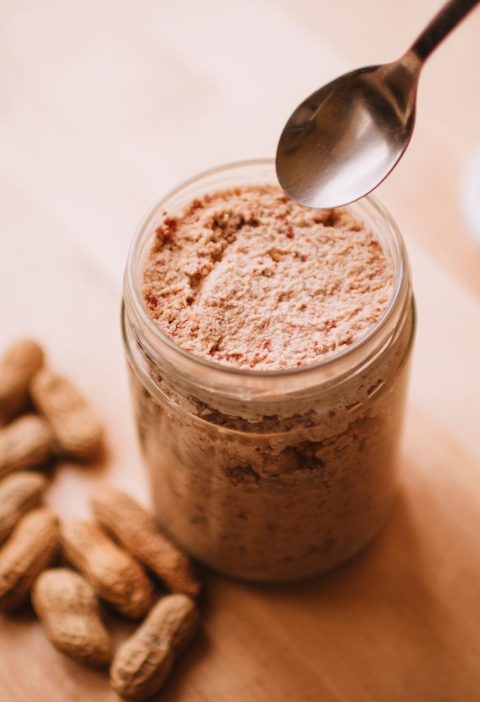
A suitable nut butter can spread onto toast or stir into porridge, while nuts and seeds can add texture to a yogurt bowl. Read labels for ingredients and relevant allergens. These additions are not interchangeable with every other protein food in either amount or nutrition, so consider the whole meal rather than swapping them automatically.
Choose a portion that works for the dish and appetite. A thick layer of nut butter may make toast difficult to eat, while a small scattering of seeds may be mainly a garnish. Use ingredients for the role they actually play, without presenting every topping as the main protein component.
Match the Plan to Different Mornings
Set aside a cold option for rushed days and a warm option for mornings with more time. Keep an easy backup that uses foods you routinely have. This avoids buying several breakfast products that each require a separate ingredient list.
| Morning | Possible breakfast | Useful preparation |
|---|---|---|
| Very little time | Yogurt, oats, and fruit | Keep components accessible and separate |
| Short cooking window | Egg or bean toast | Have bread and topping ready |
| Slower morning | Tofu and vegetable skillet | Plan vegetables and seasonings ahead |
The rotation can repeat. Variety means having workable alternatives, not inventing a different breakfast every day.
Prepare Ahead Without Neglecting Cold Storage
Keep perishable breakfast ingredients refrigerated until needed, and return shared tubs promptly after serving. If preparing components in advance, use clean containers and label them clearly. Do not leave dairy, cooked eggs, or cooked mixtures on the counter overnight to make the morning easier.
For cooked egg breakfasts, follow the FDA’s egg-safety guidance: cook eggs until whites and yolks are firm. Use safe handling from preparation through serving. If taking breakfast away, give it the same cold-storage plan you would use for a packed lunch rather than assuming morning food is less perishable.
Shop for a Short, Flexible Rotation
Choose two main breakfast protein options for the next shop, along with fruit, a grain food, and any vegetables needed. Check whether the ingredients also have other planned uses. Yogurt might become a dressing; beans might join dinner; tofu might serve another meal.
- One quick cold option.
- One practical warm option.
- A backup using familiar ingredients.
- Clear storage for prepared components.
Notice which breakfasts are genuinely convenient and enjoyable. Keep those in the rotation, change what becomes repetitive, and leave specialty products as optional choices rather than requirements for an ordinary breakfast.