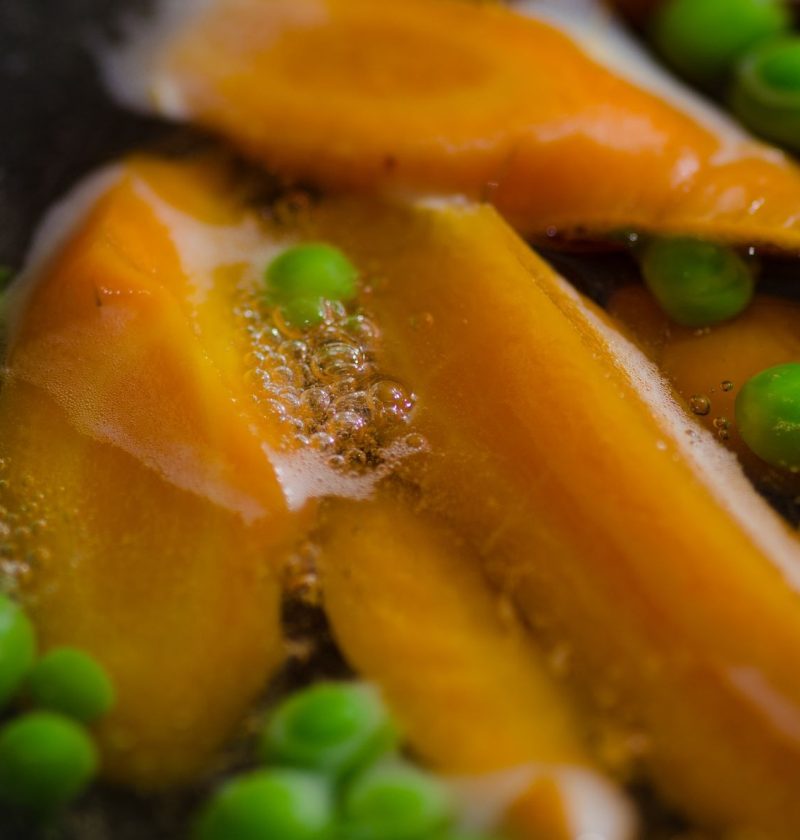
The frozen vegetable aisle is most useful when you arrive with a cooking method in mind. A bag of fine chopped spinach and a bag of large broccoli florets solve different dinner problems. Instead of choosing whichever package looks most abundant, consider the cut, the mixture, the added ingredients, and how much you can use before the bag becomes a forgotten lump.
Start With the Meal, Not the Mixture
Choose small pieces for meals where vegetables need to distribute evenly, such as soups, rice dishes, and omelets. Larger florets or chunks can work better when you want a distinct vegetable side. The product photograph may not show the size clearly, so look for a transparent window or a written description.
For a mixed bag, ask whether all its vegetables suit the same cooking method. A blend containing large carrots and tiny peas requires different attention from a uniform bag of green beans. A convenient mixture should reduce decisions at dinner, not create a sorting project in the pan.
Read Beyond the Vegetable Name
Plain frozen vegetables usually offer the widest range of uses. Sauced vegetables may be helpful for a particular meal, but check whether cheese, butter, salt, or other seasonings have already been added. These ingredients affect both flavor and how the product behaves when combined with another sauce.
The FDA advises comparing labels using equivalent serving sizes. That is especially helpful when choosing between plain and seasoned versions. Compare the sodium entry alongside the ingredient list, rather than assuming the word vegetable describes everything in the bag. Keep any household allergen requirements in view too.
Check Instructions Before Buying
Read the cooking directions while you are still in the shop. Some products are designed for microwaving in their original packaging; others need a saucepan or oven. If you do not have the specified equipment, choose something that offers a suitable alternative method.
The FDA Food Code explains that frozen vegetables may require cooking. Do not treat freezing or blanching as proof that they are ready to eat. Follow the package directions before adding them to a cold salad, smoothie, or chilled lunch. Thawing alone is not a substitute for the required cooking step.
Inspect the Bag and Plan the Journey
Choose intact packaging without tears or leaking seams. A bag with extensive frost or a solid mass of vegetables may have poorer texture, although appearance alone cannot establish its temperature history. If packaging or storage conditions concern you, select another package or ask store staff.
Pick frozen foods near the end of the trip and take them home promptly. At home, make enough freezer space that bags can lie securely without being crushed by heavier containers. Keep the preparation instructions if you transfer the contents to another container; the name alone is not enough information for later cooking.
Match Moisture to the Cooking Method
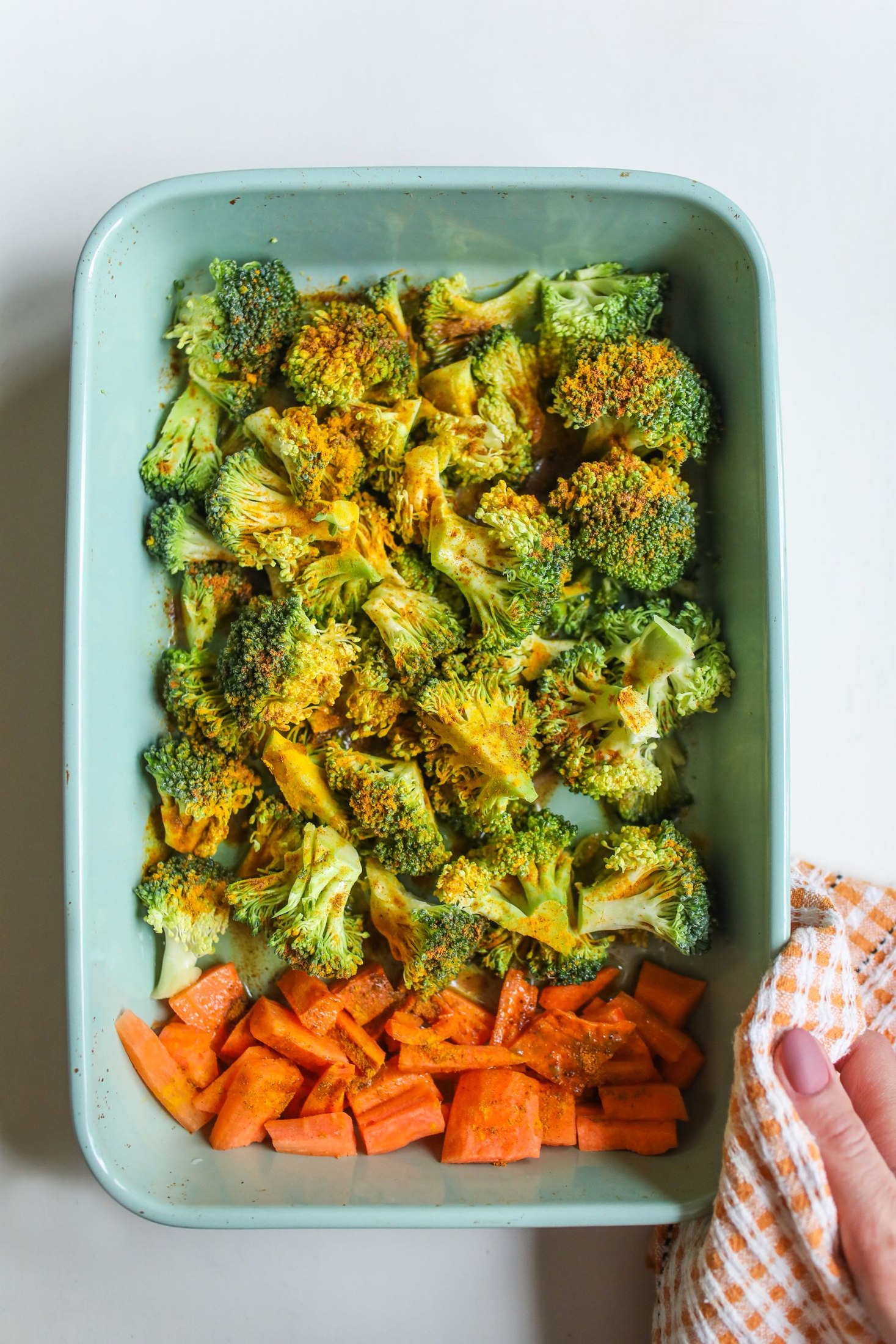
Frozen vegetables release water as they cook. In soup, that liquid can become part of the broth. In a skillet, it can prevent browning if the pan is crowded. For roasting, use a suitable tray and follow directions for cooking from frozen rather than automatically defrosting first.
| Vegetable form | Useful meal role | Practical watchpoint |
|---|---|---|
| Chopped spinach | Sauces and fillings | Manage excess liquid after cooking |
| Peas | Rice dishes and soups | Add according to package cooking time |
| Broccoli florets | Sides and trays | Leave space rather than piling deeply |
Add dairy sauces after you have controlled excess vegetable water, otherwise the finished dish may be thinner than intended.
Buy a Quantity You Can Handle
A very large bag is only convenient if you can close it properly and remove portions without repeatedly thawing the contents. For loosely frozen pieces, pour out what you need quickly, reseal the bag, and return it to the freezer. Use a clean scoop if pouring is awkward.
Label the opening date where it remains visible. Keep similar bags together and place the older one in front. If you routinely have several nearly empty bags, assign them to a particular soup or cooked vegetable filling instead of buying another blend that serves the same purpose.
Keep a Small, Useful Freezer Selection
Choose a few contrasting forms: perhaps one leafy vegetable, one small loose vegetable, and one larger cut. This offers more flexibility than three bags of similar mixed vegetables. Write down two meals each bag could support before it becomes part of your regular shopping list.
After cooking, assess texture and convenience, not just whether the bag was finished. If a particular cut always turns into an unwanted watery side, try using it in soup or choose another form next time. Frozen vegetables earn their freezer space by making actual meals easier to assemble.