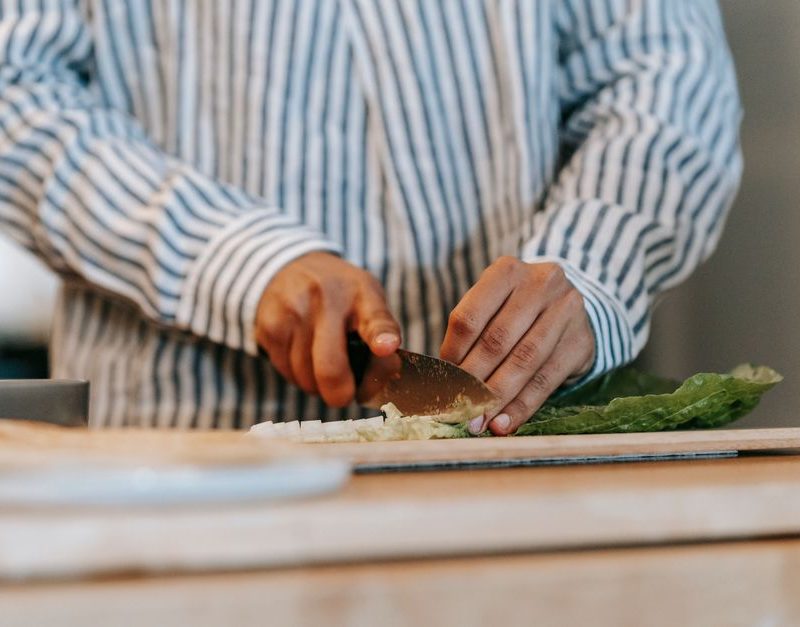
Cooking from scratch can feel difficult when you arrive home hungry and have only a short gap before the next thing needs doing. Often, the difficulty is the order of the jobs: a pan waits cold while you chop, vegetables soften while you search for seasoning, or a quick sauce ends up waiting for slow potatoes. Organising one cooking session can make a homemade dinner much more manageable.
You do not need to make every ingredient yourself. Tinned pulses, frozen vegetables and bought bread can all have a place alongside freshly cooked food. The aim here is to make good use of the time between starting dinner and sitting down to eat, without depending on a weekend preparation session.
Count attention as well as minutes
A recipe’s cooking time does not always tell you how comfortably it will fit your evening. Roasting may involve little stirring but a long wait. A stir-fry cooks quickly, yet washing and slicing several vegetables can demand your full attention beforehand. Choose a method that fits both your available time and your concentration.
Read the whole recipe before switching anything on. Look for marinating, soaking, bringing water to the boil and preparation hidden in the ingredient list, such as finely chopped onions. Check that you have the equipment, too. Finding a missing lid halfway through cooking can undo an otherwise sensible plan.
- A short, uninterrupted window: choose tender ingredients and a method with few separate stages.
- A longer window with interruptions: choose a straightforward simmer or oven dish, while remaining available to supervise it.
- Very little attention to spare: assemble a simple meal with minimal cooking rather than tackling an unfamiliar recipe.
Start the job that takes longest
Most dinners have one component that sets the finishing time. It might be potatoes becoming tender, onions softening or a saucepan of water reaching the boil. Identify that component and start it first, once everything needed for that stage is ready.
Use the waiting time for a shorter task. While pasta cooks, prepare a simple sauce or wash salad leaves. While a soup simmers, slice bread and lay the table. Set a timer whenever you turn your attention elsewhere, and keep an eye on pans that could boil dry or catch.
Think about the end of cooking as well. A sauce can often wait briefly, while an omelette is best served promptly. Finish the forgiving part first and leave the component that needs immediate serving until last. This makes the meal feel less hurried without requiring faster hands.
Prepare enough to avoid getting stuck
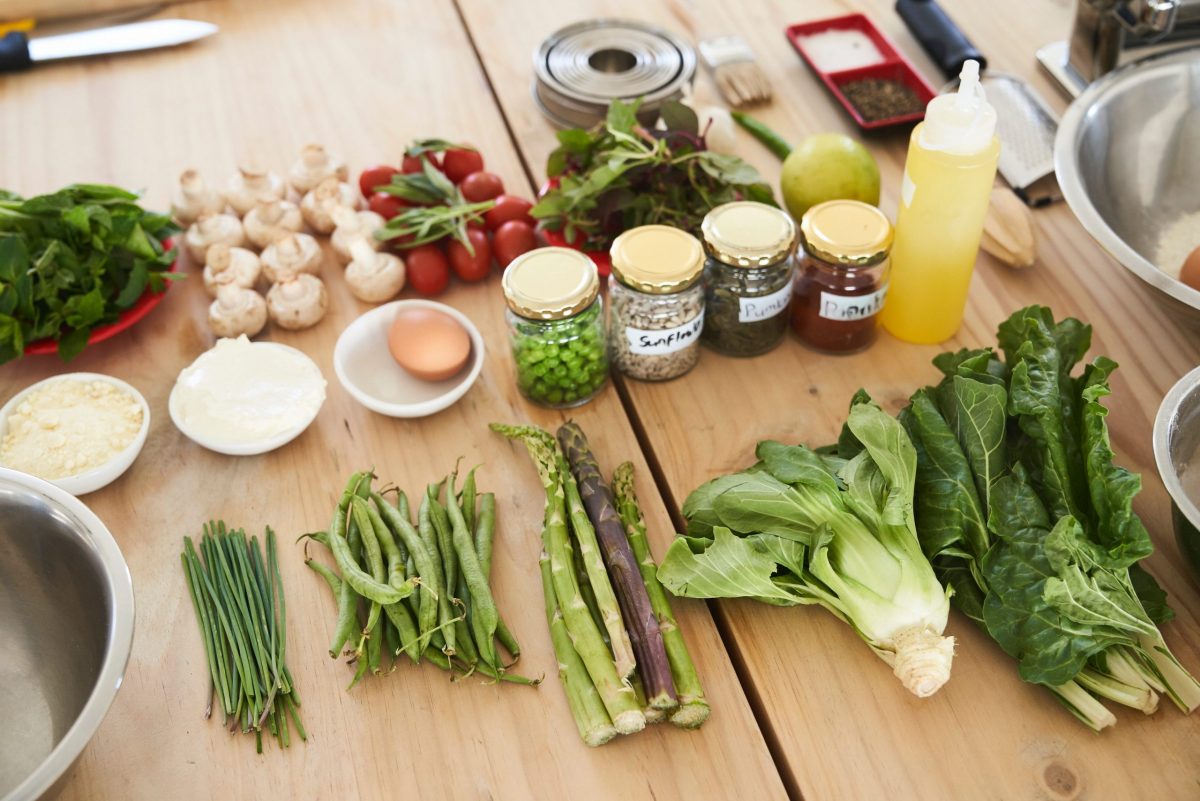
There is no need to arrange every ingredient in a separate little bowl. You do need to avoid reaching a stage where garlic is burning while you open a tin. Gather ingredients, check quantities and put the utensils you will use within reach.
For quick cooking over a high heat, finish chopping and measuring before heating the pan. For a gentle simmer, you may be able to prepare later additions while the first ingredients soften. Let the method determine how much preparation happens at the beginning.
Keep a bowl nearby for vegetable peelings and packaging so that repeated trips to the bin do not interrupt you. Keep equipment used for raw meat separate from ready-to-eat food, and wash hands, boards and utensils when needed. A clear working area helps you move steadily and safely.
Make ingredient size work for you
Shape affects cooking time. Thin carrot slices soften sooner than large chunks, and evenly sized potato pieces cook more predictably than a mixture of tiny and oversized ones. Where the recipe allows it, choose a cut that suits the time available.
A grater can make carrot or courgette easy to incorporate into a sauce. Kitchen scissors can snip herbs into a bowl, while tender leaves can simply be torn. Use whichever tool feels comfortable. The useful shortcut is reducing the task, rather than rushing with a sharp blade.
Remember that changing the cut also changes the texture. Grated vegetables will blend into a dish differently from roasted chunks. If that texture is central to what you want to eat, allow it the necessary time or choose a different meal.
Use convenience ingredients with a purpose
A shortcut earns its place when it removes the job that regularly stops you cooking. Prepared vegetables can help when chopping feels like an obstacle. Tinned beans remove the need to soak and cook dried ones. A bought condiment can provide a finishing flavour without another lengthy method.
Choose according to what the ingredient needs to do. Plain cooked grains leave you free to choose the seasoning, while a strongly flavoured sauce may shape the whole dish. Follow preparation instructions and check ingredients carefully when cooking for someone with an allergy.
You can still keep the part of scratch cooking you enjoy most. Fry mushrooms, soften garlic or mix a lemon dressing while other ingredients do the time-saving work. A meal does not need several homemade components to feel freshly prepared.
Learn a few reliable sequences
Familiarity removes decisions. Practise a few cooking sequences until you know which steps need attention and which leave a useful pause. Then vary the ingredients within those familiar patterns instead of learning a completely new method every evening.
- Cook, drain, combine: cook pasta, prepare a vegetable mixture alongside it, then combine them with a little reserved cooking water.
- Soften, add, simmer: soften an aromatic base, add vegetables and pulses with suitable liquid, then simmer until tender.
- Prepare the filling, cook the eggs: soften vegetables first, then cook an omelette and add its filling near the end.
These are patterns rather than complete recipes. Use a reliable recipe when learning, especially with unfamiliar ingredients. As you gain experience, you will recognise which substitutions need similar cooking times and which would change the whole sequence.
Have a simpler finish available
If the evening runs away from you, reduce the number of components. Serve bread alongside a stew instead of starting another saucepan of grains. Add sliced cucumber or tomatoes instead of a cooked side. Choose an accompaniment that makes dinner satisfying without introducing another demanding method.
Taste before serving and make one useful adjustment if needed: a squeeze of lemon, some pepper or a spoonful of plain yoghurt. Put ingredients away during suitable pauses, keeping your attention on active cooking. A repeatable route from basic ingredients to dinner is more useful than a complicated meal you rarely have the time to make.