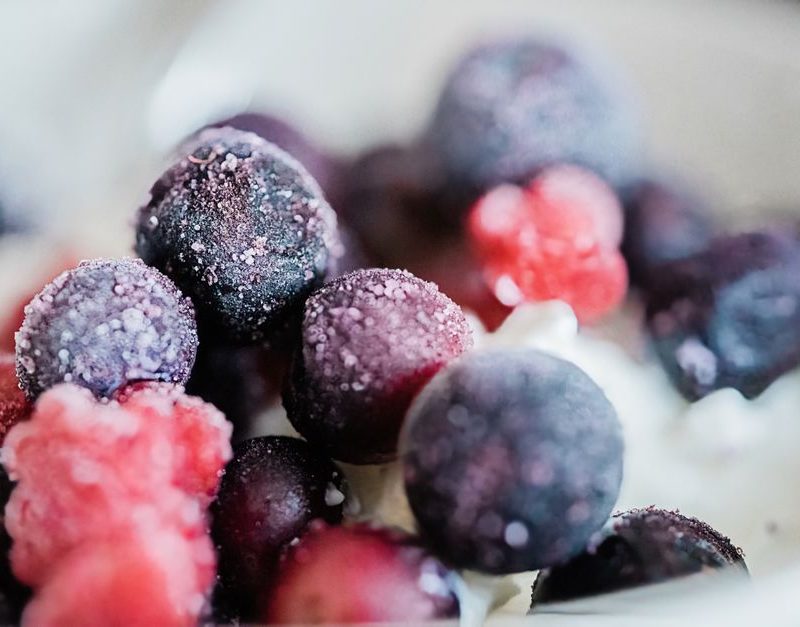
Frozen fruit earns its place in the kitchen when you treat it as an ingredient with its own character. Berries soften into generous puddles of juice, mango adds body to a sauce, and cherries bring a sharp sweetness to warm dishes. The useful question is what you want the fruit to do. Understanding its texture, moisture and cooking instructions helps you choose the right approach without ending up with watery batter or a disappointing topping.
Start with the dish you want to make
Freezing changes the structure of fruit, so it often becomes softer and releases liquid as it thaws. That makes frozen fruit particularly useful when a crisp bite is unnecessary: think warm sauces, baked puddings and gently cooked toppings. It is less suited to dishes that depend on neat slices holding their shape. Work with that softness and you have plenty of ways to use a bag beyond putting it in a blender.
Consider whether you need individual pieces or a mixture. A bag of blueberries behaves differently from a berry blend containing large strawberries. Mixed fruit can be lovely, but the pieces may soften at different speeds. For a more predictable result, choose one fruit or combine pieces of similar size.
Read the pack before you begin
Check the ingredients if you want plain fruit: some products include sugar, syrup or other additions. These can affect both sweetness and how much liquid the fruit contributes. Plain fruit gives you more control over the finished dish, especially if you plan to add it to something already sweet.
Follow the packet’s preparation and cooking instructions. Frozen does not automatically mean ready to eat. Some products require cooking before use, including before adding them to cold dishes. If cooking is specified, allow time for that step and any cooling needed. A recipe’s suggested timing should never override the manufacturer’s instructions.
- Check whether the fruit should be cooked from frozen or defrosted first.
- Read any instructions about cooking times and storage after opening.
- Reseal the bag promptly and return unused fruit to the freezer.
- Keep the packaging until you have finished using the contents so the instructions remain available.
Decide whether to thaw or cook from frozen
Use frozen pieces in suitable bakes
For a bake designed to use frozen fruit, keeping the pieces frozen until you add them can make them easier to distribute. Fold them through gently at the end of mixing. Repeated stirring can break them up and colour the whole mixture. Frozen fruit also cools the batter, so judge doneness using the recipe’s checks rather than assuming the usual baking time will be enough.
Avoid adding a generous extra handful without adjusting the recipe. Extra fruit means extra moisture, which can leave a bake heavy or wet in the middle. When adapting a favourite recipe, start with the stated weight of fruit and change one thing at a time.
Thaw when you need to control the liquid
If the packet permits defrosting, place the fruit in a covered container in the fridge, with a sieve over a bowl if you want to separate the juice. Keep that liquid for a sauce rather than automatically pouring it away. Thawed fruit can still be delicate, so lift it with a spoon instead of squeezing it dry.
Do not assume thawed fruit will behave like freshly cut fruit. For a topping that needs distinct pieces, consider using cooked frozen fruit as a sauce beneath fresh slices instead. You get the flavour of the frozen fruit while choosing the texture separately.
Turn released juice into a useful sauce
A simple fruit sauce is a forgiving place to begin because the escaping juice becomes part of the dish. Put the quantity you need in a saucepan and prepare it according to the packet. Where the instructions allow, start over a gentle heat, stirring occasionally to prevent sticking. Add only enough water to stop the fruit catching; many fruits soon release plenty of their own.
Once any required cooking is complete, adjust the texture. Mash some pieces for a thicker, rustic sauce, or let excess liquid evaporate over a gentle simmer, stirring regularly. A wide pan helps moisture escape. If the mixture becomes too thick, loosen it with a small splash of water or reserved fruit juice.
Taste before adding sweetness. Tart berries may need a little sugar for the dish you have in mind, while ripe-tasting mango may need none. Add a small amount, stir and taste again. Lemon zest, cinnamon or vanilla can change the character without making every batch taste like jam.
Match the fruit to the cooking job
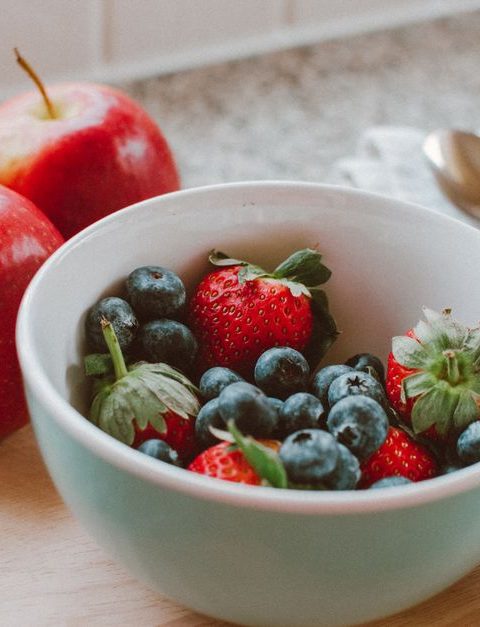
- Blueberries: useful for recipes that call for small, evenly distributed pieces. Stir gently if you want to limit streaks of colour.
- Raspberries: break down readily, making them a good choice for a loose sauce. Pass the cooked sauce through a sieve if you prefer fewer seeds.
- Strawberries: larger pieces take more attention. Choose sliced fruit when you want smaller pieces without having to cut frozen berries.
- Cherries: suit warm sauces with cinnamon or a little citrus zest. Check for any remaining stones before serving.
- Mango: softens into a fuller-textured sauce. Mash it after cooking, then adjust the consistency with liquid as needed.
Use small amounts to change everyday dishes
You do not need to build an entire recipe around the bag. Spoon a warm fruit sauce over plain porridge, serve it alongside rice pudding, or swirl a cooled portion through yoghurt. Follow the fruit’s cooking instructions first, and let it cool appropriately before pairing it with cold ingredients.
For savoury cooking, try a small spoonful of cooked cherry sauce alongside roast vegetables or poultry. Keep the seasoning restrained and taste the fruit before adding sweetener. A little vinegar can sharpen a sauce, while black pepper gives a different finish from the cinnamon you might choose for pudding.
If a sauce tastes too intense on its own, try it with the food you intend to serve. Plain oats, yoghurt and other mild ingredients change the balance. This is often a better guide than repeatedly sweetening the saucepan.
Keep the next portion easy to use
Take out only what you need, using a clean utensil, and close the bag securely. If pieces have frozen together, gently loosen the amount required while keeping the rest frozen. Choose smaller bags if you find large ones awkward to handle or difficult to reseal.
Cool cooked fruit promptly, refrigerate it in a covered container and follow the packet’s storage guidance. Label it so you know when it was prepared. Keeping frozen fruit useful is mostly about making a few deliberate choices: choose the texture your dish needs, account for the juice and let the fruit’s own flavour guide the finishing touches.