Swapping a sugary drink is easier when its replacement still gives you something you enjoy. Perhaps that is the fizz of a cold can, a warm mug during a break, or a familiar flavour with lunch. Rather than replacing every drink at once, match your alternative to the part you would miss. These ideas focus on everyday soft drinks, sweetened tea and coffee, and café orders, so you can make changes that fit your routine without turning drinks into another set of strict rules.
Start with the drink you have most often
Think about an ordinary week and identify one regular sweet drink. It might be cola with dinner, sugar in several cups of tea, or a syrupy coffee on the way to work. Begin there, rather than with a drink you only have occasionally. A repeatable swap is more useful than a cupboard full of unfamiliar alternatives you do not particularly like.
Decide what you want to change: the drink itself, its sweetness, its portion, or how often you buy it. You could keep your usual drink on some occasions and choose an unsweetened option on others. There is no need to treat a sweet drink as a failure or compensate for it by skipping food.
Match the swap to what you enjoy
If you like fizzy soft drinks
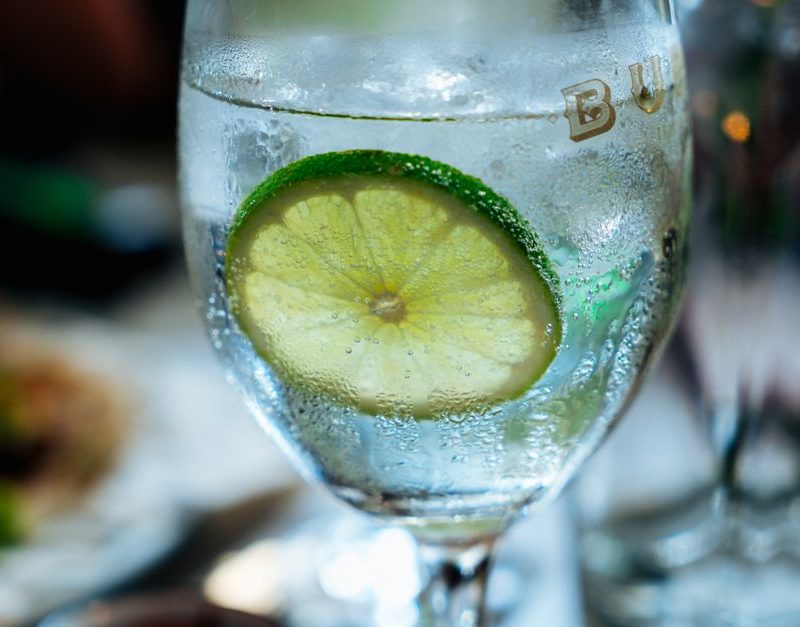
Try chilled plain sparkling water if the bubbles are the main attraction. Serve it in the same glass you normally use for a soft drink, with ice if you enjoy it. Temperature and presentation can make the replacement feel more satisfying, particularly alongside a meal.
If plain sparkling water feels too different, a sugar-free version of your usual soft drink may be a workable stepping stone. Check the label rather than assuming every flavoured sparkling drink is unsweetened. Some contain sugar, some use sweeteners, and others contain neither. Choose according to what you enjoy and what you are trying to change.
If you like sweet squash or cordial
Use a little less concentrate when making your usual drink, keeping within any preparation instructions on the bottle. Make one glass at a time while you find a dilution you like. Alternatively, try a no-added-sugar squash, checking its ingredients because it may contain sweeteners. The aim is a drink you will happily choose again.
A gradual change can feel more manageable than a sudden switch. Start with a slightly less sweet glass, keep it that way until it tastes familiar, then decide whether to dilute it further. You do not have to reach a particular endpoint on a timetable.
If you like sweetened tea or coffee
Reduce the sugar you add in small steps. If you normally spoon it in without measuring, use a teaspoon first so that your starting point is consistent. Then try a little less. Give yourself several cups to get used to the difference before deciding whether it works for you.
You can also experiment with the drink underneath the sugar. Tea brewed for a shorter time may taste less bitter, while a different coffee strength may suit you better. Cinnamon can add aroma, although it will not reproduce sugar’s sweetness. Avoid simply replacing the sugar with honey or syrup if reducing sugar is your goal: those still add sugar.
Make café orders simpler
A familiar café order can often be adjusted without losing the pleasure of stopping for a drink. Ask for less syrup, leave off a sweet topping, or choose a smaller size. Make one adjustment first so you can tell whether you enjoy the result. Availability varies, so a straightforward request is usually easiest.
- For flavoured lattes: try a plain latte, or ask whether the flavouring can be reduced.
- For sweet iced coffees: choose coffee with milk and ice, with syrup left out or served separately if possible.
- For sweetened iced tea: ask whether an unsweetened version is available.
- For elaborate blended drinks: consider a smaller serving and decide which extras you actually enjoy.
Milk adds its own flavour and texture, so a plain milky coffee may still feel satisfying. Plant-based drinks vary in ingredients and sweetness; ask which version is being used if that matters to your choice. An iced drink is not automatically less sweet than a hot one.
Read drink labels with a clear purpose
When comparing packaged drinks, use the same volume on each label. Bottles and cans come in different sizes, and a suggested serving may be smaller than the amount you usually pour. Start with the sugar information, then check the ingredients to understand what is providing the sweetness.
No added sugar does not necessarily mean sugar-free. A drink may contain sugars already present in its ingredients. Equally, the total sugars listed for plain milk do not mean sugar has been added. Labels are most useful when you compare similar drinks and keep the ingredients in view, rather than judging every product by a single line.
Do not assume that words such as natural, organic or botanical tell you how sweet a drink is. Honey, agave and other syrups remain sources of sugar when added to drinks. You can enjoy them for their flavour, but changing the name of the sweetener is a different step from reducing it.
Keep the replacement easy to reach
Convenience often decides what you drink. If your usual soft drink is cold and ready while the alternative needs preparation, the familiar option has an advantage. Keep your chosen replacement available where you normally make the decision, whether that means a chilled bottle at home or an unsweetened option on your shopping list.
For hot drinks, put a mug and your preferred tea or coffee within easy reach. When going out, decide on a simple alternative before you reach the till. This removes the need to invent a new order while you are busy, distracted or looking at a long menu.
Try one change and adjust it
- Choose one occasion. Pick your lunchtime drink, afternoon coffee or evening soft drink.
- Select one realistic swap. Match the fizz, warmth or flavour you value.
- Make it convenient. Buy or prepare what you need for that occasion.
- Notice your response. Consider taste, satisfaction and whether you actually want it again.
- Adjust the approach. Try a smaller change if the first replacement feels too far from your usual choice.
You can keep occasional favourites while changing your everyday pattern. A useful swap is one that feels straightforward enough to repeat, with room to adapt as your tastes change. If you have a health condition that affects your drink choices, ask your GP or a registered dietitian for advice suited to you.