Asparagus and pea frittata brings tender green vegetables, softly set eggs and a little sharp cheese together in one pan. The asparagus gives each slice some bite, while peas add sweetness and a scattering of chives keeps the flavour fresh. It is a straightforward lunch or light supper, especially when you want something warm without assembling several separate dishes.
This version starts on the hob and finishes in the oven, so there is no need to turn the frittata over. Cooking the asparagus before adding the eggs helps everything finish together. A modest amount of milk loosens the mixture, and a brief rest after cooking makes the wedges easier to lift out neatly.
Asparagus and Pea Frittata
Serves: 4 with accompaniments, or 3 for a more substantial meal. Preparation: about 15 minutes. Cooking: about 20 minutes. You will need a non-stick, ovenproof frying pan approximately 24cm across, with a handle that is suitable for the oven.
Ingredients
- 250g asparagus
- 150g frozen peas
- 6 large eggs
- 3 tablespoons milk
- 1 tablespoon olive oil
- 4 spring onions, trimmed and finely sliced
- 40g mature Cheddar, grated
- 2 tablespoons finely chopped chives
- Finely grated zest of half an unwaxed lemon
- A small pinch of salt and freshly ground black pepper
Frozen peas can go straight into the pan. If you are using fresh peas, check that they are tender before adding the eggs; older, larger peas may need a little longer. Choose asparagus with firm stalks and compact tips, and rinse it thoroughly before trimming.
Method
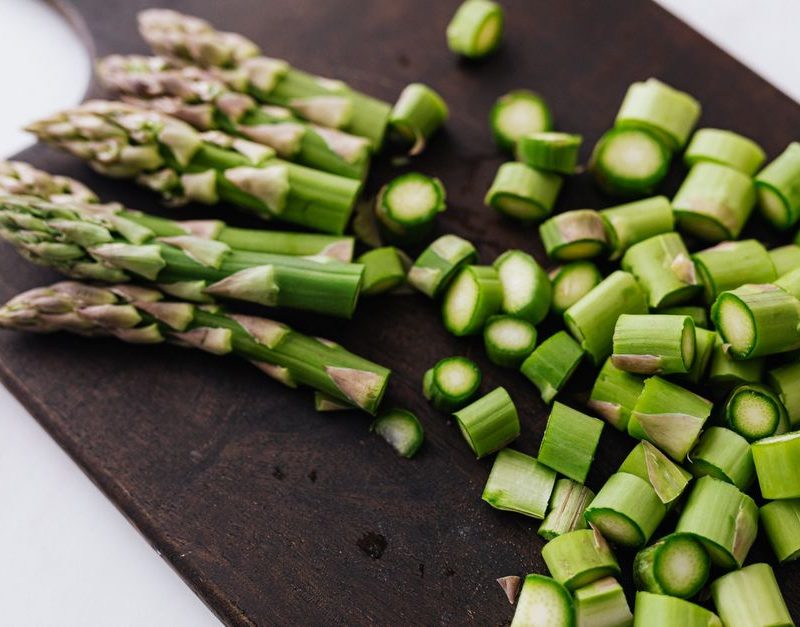
- Prepare the oven and asparagus. Heat the oven to 180°C fan or 200°C conventional. Trim the dry, woody ends from the asparagus. Cut the stalks into roughly 2cm pieces, keeping the tips slightly longer. If the lower stalks are particularly thick, halve those pieces lengthways so they cook more evenly.
- Mix the eggs. Crack the eggs into a large bowl. Add the milk, chives, lemon zest, black pepper and a small pinch of salt. Whisk just until the yolks and whites are combined, then stir in half the cheese. You do not need a frothy mixture.
- Soften the onions. Warm the olive oil in your ovenproof pan over a medium-low heat. Add the spring onions and cook for 2 minutes, stirring regularly, until softened. Keep the heat gentle enough that they do not brown heavily.
- Cook the green vegetables. Add the asparagus stalk pieces and 2 tablespoons of water. Cook for 3 minutes, stirring occasionally, then add the asparagus tips and frozen peas. Cook for another 2–3 minutes, until the peas are hot and the asparagus is almost tender. Allow any remaining water to evaporate before continuing.
- Add the eggs. Spread the vegetables evenly across the pan and reduce the heat to low. Pour in the egg mixture, giving the pan a gentle tilt to distribute it. Scatter over the remaining cheese. Cook without stirring for 3–4 minutes, until you can see the edges beginning to set.
- Finish in the oven. Transfer the pan carefully to the oven and bake for 8–12 minutes. Begin checking at the earlier time: the centre should be set with no liquid egg visible, and the surface should feel gently firm. If it is still wet in the middle, return it to the oven briefly and check again.
- Rest and slice. Using oven gloves, set the pan on a heatproof surface and leave the frittata for 5 minutes. Keep the hot handle covered with an oven glove as a reminder. Loosen the edges with a suitable spatula, cut into wedges and serve.
The small details that improve the texture
Trim the asparagus carefully
The woody base of an asparagus spear stays fibrous even after cooking. Start by cutting away the visibly dry end, then check the cut surface. If the knife meets a tough, stringy section, trim a little further up. With very thick spears, peeling the lower stalk can also help retain more of the usable vegetable.
Keep the pieces similar in thickness rather than worrying about identical lengths. Thin tips cook quickly, which is why they join the pan after the sturdier stalks. The finished asparagus should be easy to bite through while still holding its shape.
Let excess moisture cook away
The small splash of water helps soften the asparagus without scorching the onions. However, a puddle left in the pan can make the finished frittata watery. Before pouring in the eggs, look for vegetables that are lightly coated with oil and moisture, with no standing liquid underneath them.
Check the centre, not just the colour
A golden top does not tell you whether the middle is cooked. Pan thickness, oven performance and the temperature of your ingredients all affect the timing. Look closely at the centre and give it another minute or two if necessary. Once the egg has set throughout, take the pan out promptly to avoid a rubbery texture.
What to serve alongside
For lunch, serve a wedge with wholemeal bread and sliced tomatoes dressed with lemon juice and olive oil. For supper, add boiled new potatoes and a crisp green salad. The lemon zest in the eggs gives a gentle citrus flavour; you can offer lemon wedges at the table if you enjoy a sharper finish.
Let the accompaniments suit your appetite. A smaller wedge can sit alongside a bowl of soup, while a larger portion with potatoes makes a more substantial plate. There is no need for an elaborate sauce: a spoonful of plain yoghurt mixed with chopped chives works well if you would like one.
Simple variations
- Change the herbs: replace the chives with chopped parsley, or use a tablespoon of chopped mint for a fresher flavour alongside the peas.
- Use a different cheese: substitute 40g crumbled feta for the Cheddar. Fold half into the eggs and scatter the rest over the top; go lightly with added salt.
- Make it dairy-free: leave out the cheese and replace the milk with water or an unsweetened dairy-free alternative. Check that your chosen drink has a neutral flavour.
- Add some heat: whisk a small pinch of chilli flakes into the eggs, keeping the asparagus and peas as the main flavours.
Storing and reheating leftovers
Transfer leftover wedges to a shallow container, allow them to cool promptly and refrigerate within two hours of cooking. Cover and eat within two days. Serve chilled straight from the fridge, or reheat only the portion you need until steaming hot all the way through. Reheat once.
For a packed lunch, chill the frittata thoroughly before packing it in an insulated bag with an ice pack, then refrigerate when you arrive. Keep salad leaves and dressing separate so everything stays pleasant to eat. The texture is best fresh or refrigerated; freezing can make the eggs and asparagus release water when thawed.