Iron-rich foods can fit into the meals you already enjoy, from toast at breakfast to a warming casserole at dinner. You do not need a special menu or an unfamiliar ingredient list. A useful starting point is to notice which everyday foods supply iron, then give them a regular place on your plate. This guide focuses on practical meal combinations, including choices for people who eat meat and those who prefer plant-based meals.
Get familiar with your everyday options
Iron is an essential mineral. Foods provide it in different forms: haem iron is found in animal foods such as meat, while non-haem iron is found in plant foods and fortified products. Your body generally absorbs haem iron more readily. That does not mean you need to eat meat, but it helps explain why variety and thoughtful combinations matter in a vegetarian or vegan diet.
Rather than searching for one perfect ingredient, build a short list of foods you like and can use in several ways. These are useful places to start:
- Pulses: lentils, kidney beans, chickpeas and other beans can become fillings, sauces and substantial salads.
- Tofu: add it to stir-fries, noodles or traybakes, choosing a texture that suits the dish.
- Meat: lean beef and lamb can supply iron as part of a varied diet.
- Fortified foods: some breakfast cereals and breads have added iron; check the label because products differ.
- Other plant foods: nuts, seeds, dried fruit and dark-green vegetables can contribute alongside your main ingredients.
Think of these as options to rotate, rather than a checklist to finish every day. A sprinkling of seeds is a useful addition, but it need not carry the same role in a meal as a serving of lentils or tofu.
Give plant-based iron a helpful partner
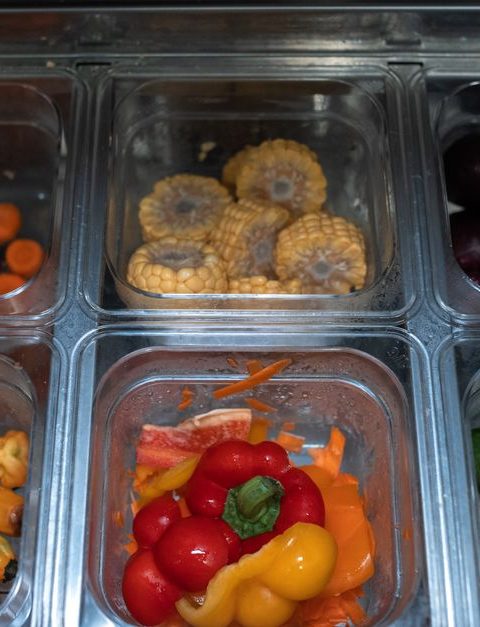
Vitamin C helps your body absorb non-haem iron. Pairing plant sources of iron with vegetables or fruit that provide vitamin C is a straightforward habit, especially if many of your meals are vegetarian. Peppers, broccoli, citrus fruit, kiwi and berries offer plenty of ways to do this without making every meal taste the same.
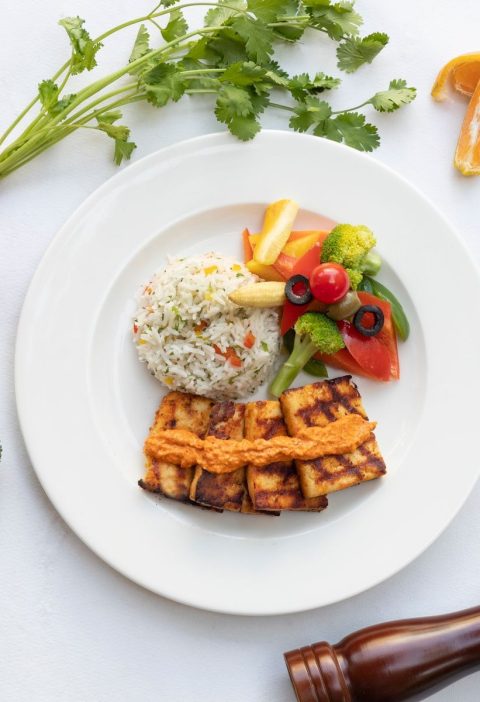
For example, serve bean-filled wraps with sliced red pepper, put broccoli alongside tofu, or follow a fortified cereal breakfast with a kiwi. Choose a pairing you enjoy enough to repeat. There is no need to buy a special drink or turn breakfast into a supplement routine.
Keep flavour in mind too. Citrus adds brightness to earthy pulses, crunchy peppers lift a soft bean filling, and broccoli works well with ginger and garlic. The most useful nutritional habit is often the one that also makes your food more appealing.
Make breakfast part of the picture
Choose cereal with a purpose
If cereal is your usual breakfast, check whether it is fortified with iron. Similar-looking packets can differ, so look for iron in the nutrition information rather than assuming every cereal supplies it in the same way. Add fruit you enjoy, such as berries or chopped kiwi, and choose a breakfast that leaves you comfortably satisfied.
Try savoury toast
Warm beans make a simple alternative when you fancy something savoury. Mash some of them to help the topping stay on the toast, then add black pepper or smoked paprika. Serve with raw pepper strips or a little broccoli left from another meal. This also works as a light lunch when breakfast needs to be quicker.
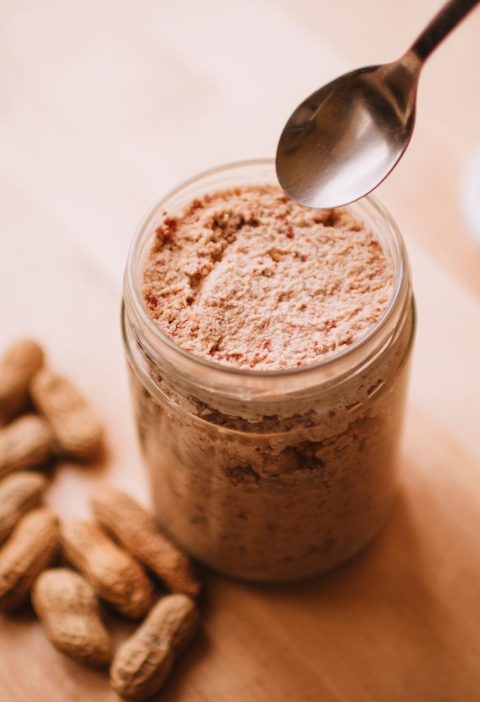
If you prefer porridge, keep enjoying it. Stir through a spoonful of seeds or nut butter for variety and serve fruit alongside. You do not need every breakfast to be your biggest source of iron; aim to include a range of sources across your usual meals.
Build lunches around a substantial ingredient
A lunch can contain plenty of vegetables yet have little of the ingredient you intended to feature. Give beans, lentils, tofu or meat a clear place in the meal, then add bread, grains or potatoes and vegetables to suit your appetite. This makes iron-conscious eating feel like ordinary lunch preparation.
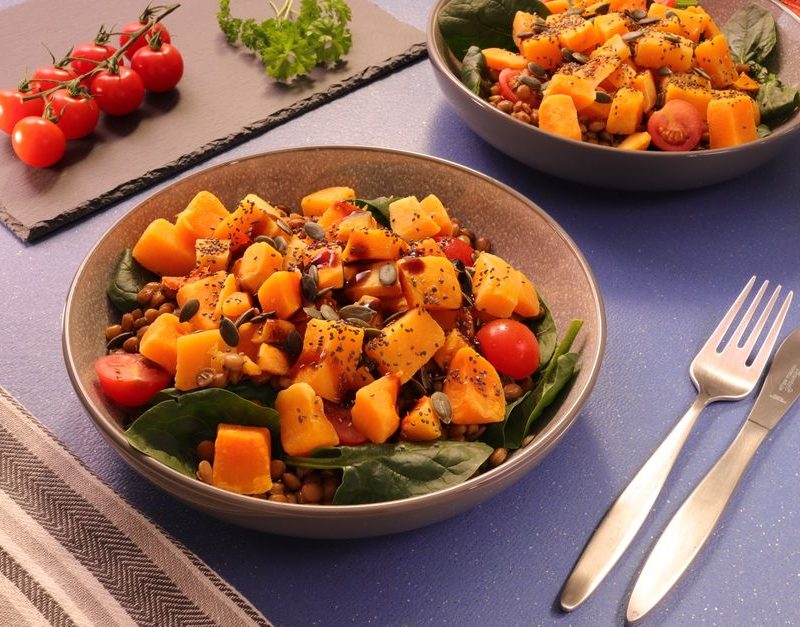
- Lentil lunch bowl: combine ready-cooked lentils with couscous, roasted vegetables and chopped red pepper. Finish with parsley and a lemon dressing.
- Bean sandwich filling: roughly mash drained beans with olive oil, mustard and finely chopped spring onion. Add crunchy vegetables when assembling.
- Tofu noodle box: toss cooked noodles with tofu, broccoli and a ginger dressing. Keep the vegetables in pieces that are easy to eat.
- Beef and vegetable wrap: use cooked lean beef with shredded cabbage and pepper strips, adding a dressing that brings the filling together.
These are combinations to adapt, rather than fixed recipes. Swap the grain or dressing according to what you have, while keeping the main iron-containing ingredient in place. If a packed lunch feels too dry, carry the dressing separately and stir it through before eating.
Adjust familiar dinners
There is no need to build an entirely new dinner rotation. Start with dishes you already cook and consider where an iron-containing ingredient could fit naturally. Lentils work well in tomato sauces, beans suit casseroles, and firm tofu holds its shape in a quick stir-fry.
For a family pasta sauce, replace some mince with cooked lentils, letting them simmer together so the flavours combine. For a meat-free baked potato filling, warm beans with tomatoes, cumin and a little water, then serve with a crunchy pepper salad. If you enjoy lamb or beef, include it within a varied pattern of meals, alongside vegetables and a starchy food.
Greens can play a supporting role. Stir kale into a bean casserole near the end of cooking, or steam broccoli to serve beside tofu and rice. Spinach is useful too, but avoid treating a few leaves as the whole plan. Different ingredients contribute in different ways, and variety gives you more options.
Think about drinks without making meals complicated
Tea and coffee can reduce iron absorption when taken with meals, particularly absorption of non-haem iron. If you are trying to make the most of plant sources, having these drinks between meals is a practical adjustment. Water is an easy choice with lunch or dinner.
You do not need to remove whole food groups or make every plate follow a rigid set of rules. Keep the focus on regular meals, varied ingredients and manageable pairings. If you have been given advice about diagnosed iron deficiency or prescribed iron tablets, follow your healthcare professional’s instructions about food, drinks and timing.
Keep the habit realistic, and know when to ask
Choose one change for your next shop: a tin of beans for lunches, tofu for a familiar dinner, or an iron-fortified cereal you actually like. Keep frozen broccoli or peppers available for an easy vegetable partner. Once that feels routine, add another combination instead of overhauling the whole week.
Food advice cannot tell you whether your iron levels are low. If you are concerned about persistent tiredness or other symptoms, speak to your GP rather than assuming diet is the cause. Ask your GP or a registered dietitian for individual guidance if you have a specific health condition, are pregnant or need support with a restricted diet. Do not start iron supplements simply because a meal plan seems short on iron.