The fastest reliable method for a healthy one-pan dinner
Use boneless chicken thighs, sturdy vegetables, and a hot oven. That combination gives you a complete dinner in about 35 minutes, with browned edges, tender chicken, and one pan to wash. Chicken breasts can work, but thighs are more forgiving and stay moist when the vegetables need extra time.
Start with a hot oven and a large pan
Heat the oven to 425°F. Use a large rimmed sheet pan, ideally at least 13 by 18 inches. Crowding is the enemy. If the chicken and vegetables sit in a tight pile, they steam instead of roast. Spread them into one layer with a little space between pieces. That single change does more for texture than another spoonful of seasoning.
Keep the meal balanced without making it fussy
Build the pan from three parts: a palm-sized portion of chicken, two or more cups of vegetables, and a small amount of oil. Add a starch only if you need more energy, such as a small potato, half a cup of cooked grains, or a slice of whole-grain bread. For four servings, use 1 1/2 pounds of chicken, about 6 cups of vegetables, and 2 tablespoons of olive oil. Season with salt, black pepper, garlic, paprika, and lemon. The result is filling without relying on a heavy sauce.
How to prep the ingredients in 10 minutes
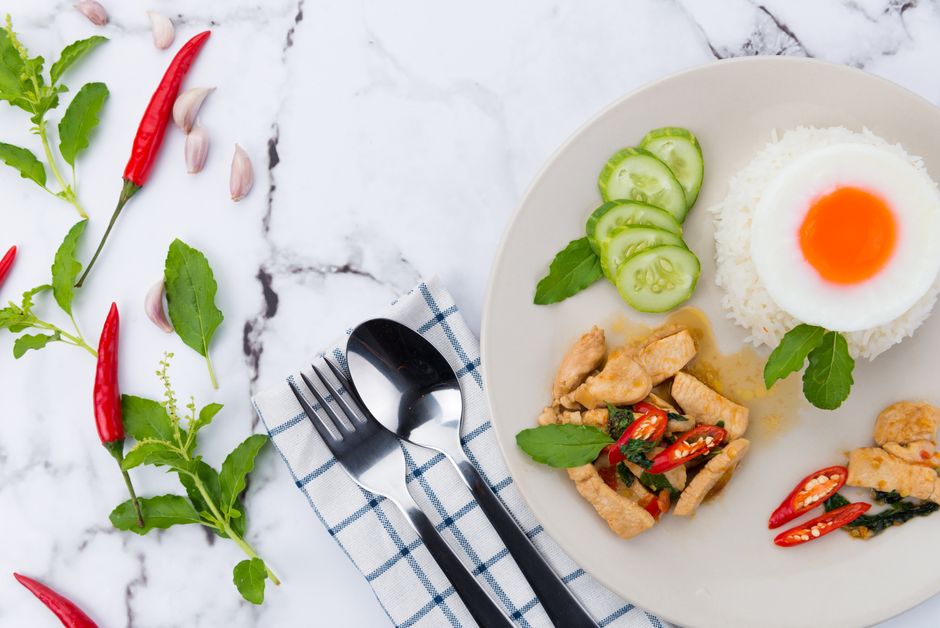
Speed comes from cutting everything to match its cooking time. Do not put thick potato chunks beside thin zucchini slices and expect them to finish together. The potatoes will still be hard when the zucchini turns soft.
- Set the oven to 425°F and place the empty sheet pan inside while it heats.
- Cut 1 1/2 pounds of boneless chicken thighs into pieces about 1 1/2 inches wide. Keep the pieces close in size.
- Cut dense vegetables, such as carrots or baby potatoes, into pieces no thicker than 1 inch.
- Cut quicker vegetables, such as bell pepper, broccoli florets, zucchini, or red onion, into larger pieces so they do not collapse.
- Pat the chicken dry with paper towels. Moisture blocks browning.
- Toss the chicken and vegetables separately with olive oil and seasoning. This gives you better control over salt and prevents the vegetables from getting coated in raw chicken juices.
The best seasoning mix
For four servings, combine 1 teaspoon kosher salt, 1 teaspoon smoked paprika, 1/2 teaspoon garlic powder, 1/2 teaspoon dried oregano, and several grinds of black pepper. Add lemon zest after cooking, not before. Lemon juice can make the pan wet and reduce browning if you add too much at the start.
Use the two-stage roast
Put the dense vegetables on the hot pan first and roast them for 8 minutes. Add the chicken and quicker vegetables, then roast for another 18 to 22 minutes. This small timing adjustment is the difference between evenly cooked food and a pan full of overcooked zucchini beside hard carrots.
Ingredient timing matters more than the recipe name
The pan works because each ingredient gets the heat it needs. Use this timing chart as the basic template. It is more useful than blindly following a recipe that assumes every oven, pan, and vegetable behaves the same way.
| Ingredient | Cut size | When to add | Expected result |
|---|---|---|---|
| Baby potatoes | Halved or 1-inch pieces | At the start | Browned outside and fork-tender |
| Carrots | 1/2-inch diagonal slices | At the start | Tender with lightly browned edges |
| Broccoli | Medium florets | With the chicken | Brown tips and a firm center |
| Bell pepper | 1-inch strips | With the chicken | Softened but not limp |
| Zucchini | 1-inch half-moons | With the chicken | Golden edges and a tender center |
| Boneless chicken thighs | 1 1/2-inch pieces | After the first roast | Juicy, browned, and fully cooked |
Why the pan must stay uncrowded
Vegetables contain water. When too many pieces touch, that water turns into steam and has nowhere to escape. The pan temperature drops, the chicken loses color, and the vegetables become soft instead of roasted. If your pan is small, use two pans. That is still easier than repairing a soggy dinner.
When to use parchment
Parchment makes cleanup easier, but it can reduce direct contact between the food and the hot metal. Use it when cleanup matters most. Skip it when crisp edges are the priority. Do not use wax paper; it is not designed for oven heat.
How to keep the chicken juicy and safe
What temperature should chicken reach?
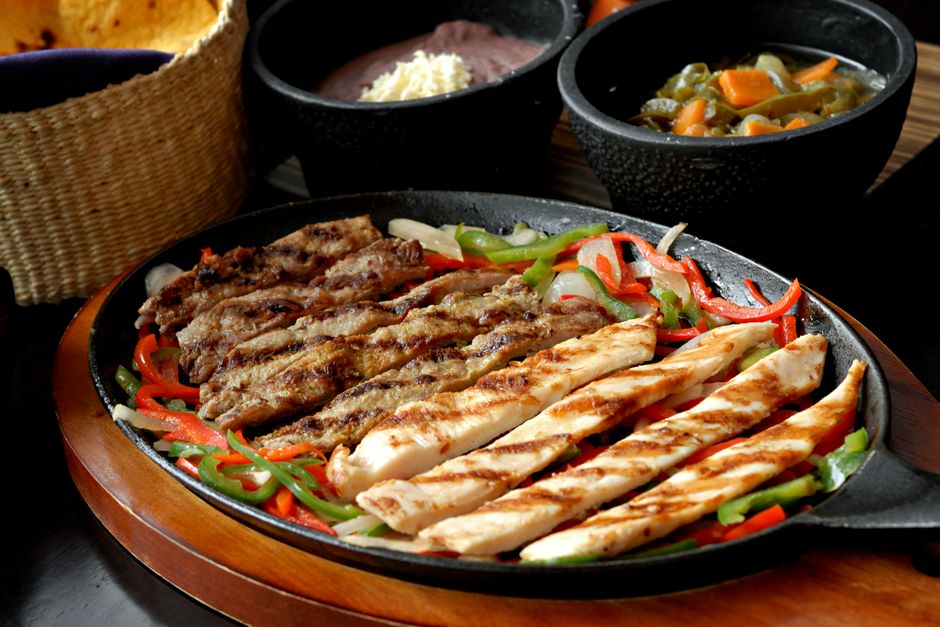
Chicken should reach 165°F in the thickest piece, measured with an instant-read thermometer. Insert the thermometer from the side so the tip reaches the center. Do not measure against the pan, and do not judge doneness by color alone. A browned piece can still be undercooked inside, while fully cooked chicken can retain a little pink near the bone or in darker meat.
Are chicken thighs better than chicken breasts here?
Yes, for this method. Boneless thighs contain more fat and tolerate the high heat better. They are the best choice when you want a relaxed 40-minute dinner. Choose chicken breasts when you want a leaner meal, but cut them into larger pieces and start checking at 16 minutes. Small breast pieces dry out before the vegetables finish.
Should the chicken rest?
Give the cooked chicken 5 minutes before serving. The temperature settles, juices stay in the meat, and the pan cools enough to handle safely. If the chicken has reached 165°F but the vegetables need more color, move the chicken to a plate and return the vegetables to the oven for 5 minutes. That protects the chicken instead of overcooking it.
Five mistakes that ruin a one-pan chicken dinner
Most failed sheet-pan dinners are timing problems, not seasoning problems. Fix these points first.
- Starting with a cold pan: The food spends too long warming up and releases water before it can brown. Preheat the pan with the oven or accept a softer finish.
- Using wet chicken: Surface moisture creates steam. Pat the chicken dry before adding oil and seasoning.
- Cutting everything the same size: Uniform pieces look neat but cook unevenly when the ingredients have different densities. Dense vegetables need smaller pieces or a head start.
- Adding too much oil: Extra oil does not create better browning. It pools on the pan and makes the meal heavy. Two tablespoons are enough for four servings.
- Ignoring the pan size: A crowded pan produces steamed food. Divide the ingredients across two pans if the pieces touch.
- Slicing chicken immediately: The juices run onto the cutting board instead of staying in the meat. Rest it for 5 minutes.
One more mistake deserves attention: adding a sugary sauce at the beginning. Honey, sweet chili sauce, and many bottled marinades can burn at 425°F. Roast the chicken first, then brush on a small amount during the final 3 to 5 minutes.
Smart swaps that still finish on time
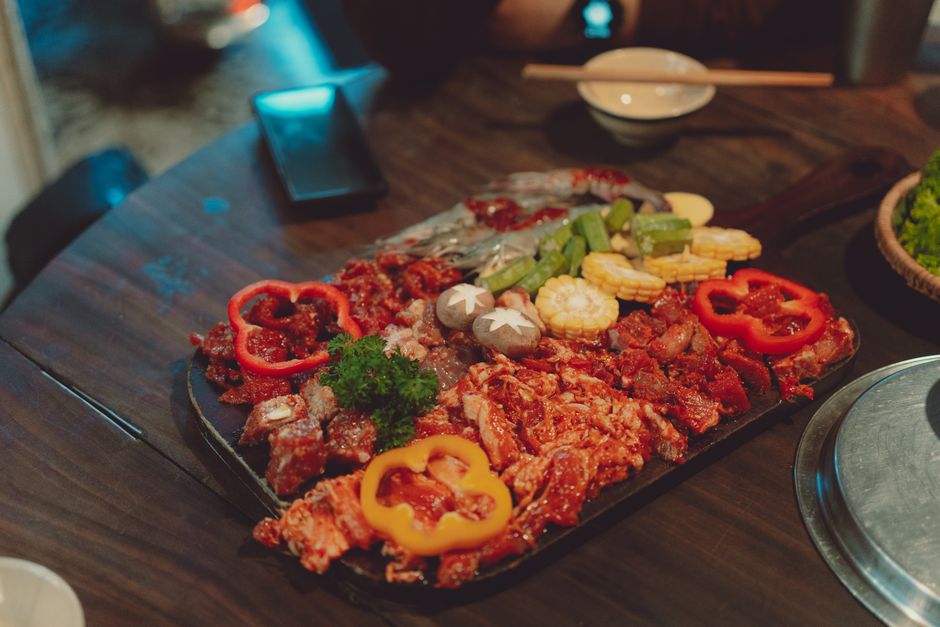
Use substitutions that match the original ingredient’s cooking speed. Random swaps are how a quick dinner turns into a half-cooked dinner with one burnt corner.
Choose a different protein
Turkey tenderloin works in 1 1/2-inch pieces and usually needs about 18 to 22 minutes. Firm tofu takes 25 to 30 minutes and benefits from being pressed dry first. Shrimp cooks much faster, so add it during the final 8 to 10 minutes. Do not add shrimp at the start with the potatoes; it will become rubbery long before the pan is ready.
Choose vegetables by texture
Use cauliflower, broccoli, green beans, peppers, onions, mushrooms, zucchini, carrots, or Brussels sprouts. For the quickest result, combine one dense vegetable with two quick-cooking vegetables. A strong mix is baby potatoes, broccoli, and red onion. Another is carrots, bell pepper, and zucchini.
When not to use this method
Skip the one-pan approach when you want delicate greens, a creamy sauce, or a very crisp fried coating. Spinach wilts too quickly, cream sauces can split at high heat, and breaded chicken usually needs a separate rack or pan for proper airflow. Use a skillet for those meals. One pan is convenient, but it is not the right tool for every texture.
The 40-minute schedule and final verdict
This is the best format for a busy weeknight: thighs for reliability, sturdy vegetables for fullness, and a two-stage roast for even cooking. You do not need a complicated marinade or a separate side dish.
| Time | Action |
|---|---|
| 0 to 5 minutes | Heat the oven to 425°F, place the pan inside, and gather the ingredients. |
| 5 to 10 minutes | Cut the chicken and vegetables, pat the chicken dry, and mix the seasoning. |
| 10 to 18 minutes | Roast dense vegetables on the hot pan. |
| 18 to 36 minutes | Add chicken and quick vegetables. Roast until the chicken reaches 165°F. |
| 36 to 40 minutes | Rest the chicken, add lemon or herbs, and serve. |
- For the most forgiving dinner: use boneless chicken thighs, potatoes, broccoli, and red onion.
- For the leanest dinner: use chicken breast, larger pieces, and zucchini with peppers.
- For the fastest cleanup: use parchment and skip sticky sauces until serving.
- For the best texture: use two pans rather than crowding one.
The clear winner is the thigh-based version. It delivers a balanced one-pan chicken and vegetable dinner in under 40 minutes, handles small timing mistakes, and still tastes good after reheating the next day.
Medical Disclaimer: This content is for informational purposes only and does not constitute medical advice. Always consult a qualified healthcare professional before making health-related decisions.