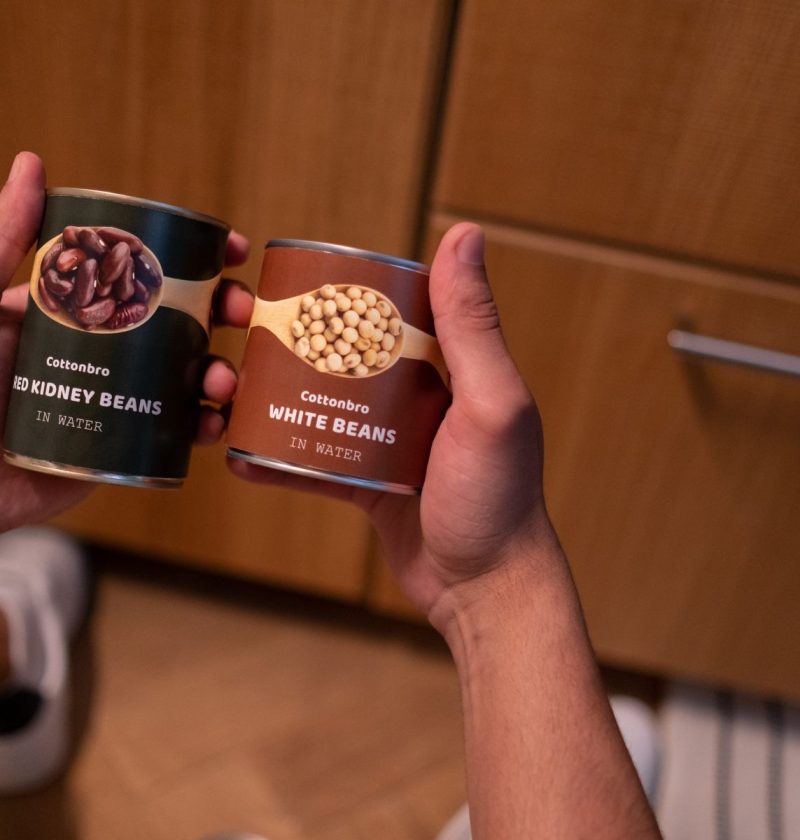
A can of beans can become a salad, a soup thickener, a sandwich filling, or the center of a warm bowl. The useful choice depends less on the picture on the tin than on what is inside it. Plain beans in water behave differently from beans in tomato sauce, and the number on the front may not describe the quantity available after draining.
Identify the Product Before Comparing Numbers
Start with the ingredient list. Plain chickpeas, kidney beans, or cannellini beans usually give you more freedom to choose a dish’s seasoning. Beans packaged with sweetened sauce, meat, or a spice mixture may be convenient, but they are a different ingredient rather than a direct substitute.
Think about the intended texture. Firm chickpeas suit a chunky bowl; softer white beans mash easily into a spread. A mixed-bean can can simplify shopping, although its different shapes may not soften at the same rate in a simmered dish. Choose for the meal rather than collecting every variety.
Compare Sodium on the Same Basis
Look for the sodium entry and check the serving size before comparing two cans. If the packages use different serving weights, the smaller number may simply describe a smaller serving. Labels using a per-100-gram column make a direct comparison straightforward; otherwise compare equivalent quantities.
The FDA suggests rinsing sodium-containing canned foods, including beans. This can remove some sodium, but it does not turn every regular product into a no-salt-added one. If controlling the seasoning is your priority, begin with a suitable lower-sodium or no-salt-added product and still read its ingredient list.
Distinguish Net Weight From Drained Weight
Net weight includes the liquid packed around the beans. Drained weight, when provided, is more useful for a salad or filling where that liquid will be discarded. Two similar-looking cans can therefore supply different amounts of usable beans.
Check the recipe’s wording as well. A request for a can of beans is imprecise if can sizes vary where you shop. Note the drained amount that works in your usual dish, then use that as your shopping reference. You do not need a permanently fixed portion; you need enough for the planned meal and any deliberately scheduled leftovers.
Rinse Gently for Clean, Separate Beans
For salads, grain bowls, and mashed fillings, tip the beans into a clean colander over the sink. Rinse under cool running water, moving them gently so the liquid drains away. Let them drain before combining them with a dressing. Excess water can dilute the flavor and collect at the bottom of a lunch container.
Do not scrub soft beans or leave them soaking on the counter. If you want to roast chickpeas, pat them dry with a clean towel after draining. A drier surface gives oil and spices a better chance to coat them instead of sliding into a puddle.
Keep the Liquid Only When It Serves the Dish
Bean liquid can add body to a soup or stew, but it also brings the can’s existing seasoning. Taste the developing dish before adding more salt. If you want a lighter broth, drain the beans and use fresh cooking liquid instead.
| Planned use | Useful preparation |
|---|---|
| Chopped salad | Rinse and drain thoroughly |
| White-bean spread | Drain, then add liquid gradually while mashing |
| Vegetable soup | Decide whether the packing liquid suits the broth |
| Roasted chickpeas | Rinse, drain, and dry the surfaces |
Do not assume liquid from a seasoned can behaves like plain chickpea liquid in a baking recipe.
Give One Can a Clear Meal Role
Use beans deliberately rather than scattering a few over an otherwise unfinished meal. Mash white beans with lemon and herbs for toast, fold kidney beans into a vegetable skillet, or combine chickpeas with couscous and roasted peppers. Add vegetables and a starchy component according to the meal you want.
Change the texture as well as the seasoning across the week. Whole beans in a brothy bowl feel different from a roughly mashed wrap filling. This keeps a small pantry useful without requiring a separate sauce collection for every dinner.
Handle the Opened Can as a Perishable Food
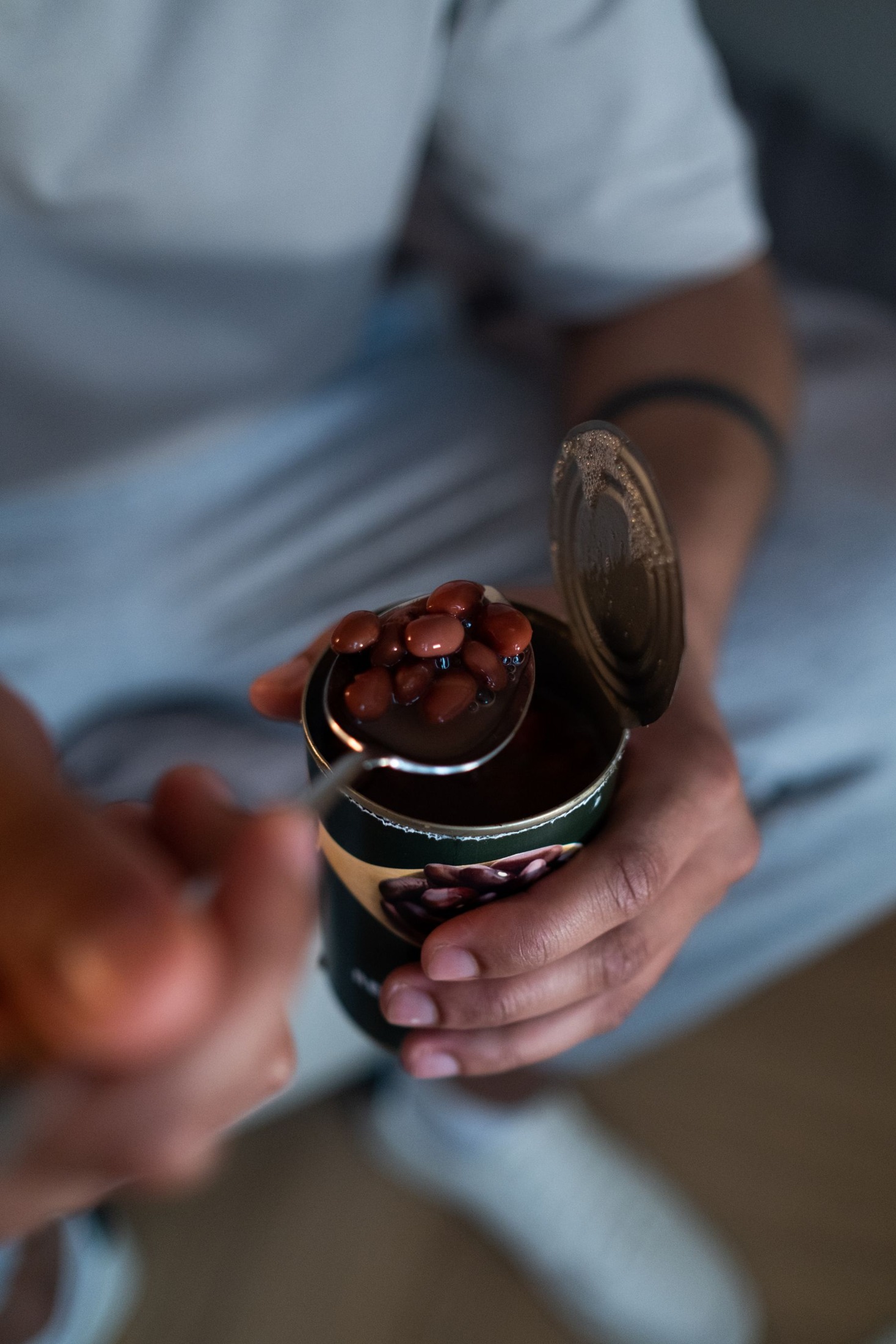
Inspect the container before opening. USDA warns against leaking, bulging, or badly dented cans; do not taste questionable contents. Use a clean opener and clean utensils.
Transfer unused beans to a covered food container, refrigerate promptly, and label the opening date. Follow the package’s after-opening instructions or applicable local storage guidance rather than the unopened can’s pantry date. Freeze a planned extra portion when suitable instead of letting a small remainder disappear behind other food. Buying the right can is only the first step; assigning all of it a use completes the job.