A reheated meal should be hot throughout, not just steaming at the edges. The main challenges are uneven thickness, crowded containers, and moisture escaping before the center warms. Good reheating begins earlier, with safe cooling and storage, then uses a method suited to the food. A thermometer provides a more dependable check than guessing from the first hot mouthful.
Check the Storage History First
Before choosing a pan or microwave setting, identify when the food was cooked and how it has been kept. A familiar-looking container is not enough information. If the meal sat out too long or its storage history is uncertain, reheating is not a rescue method.
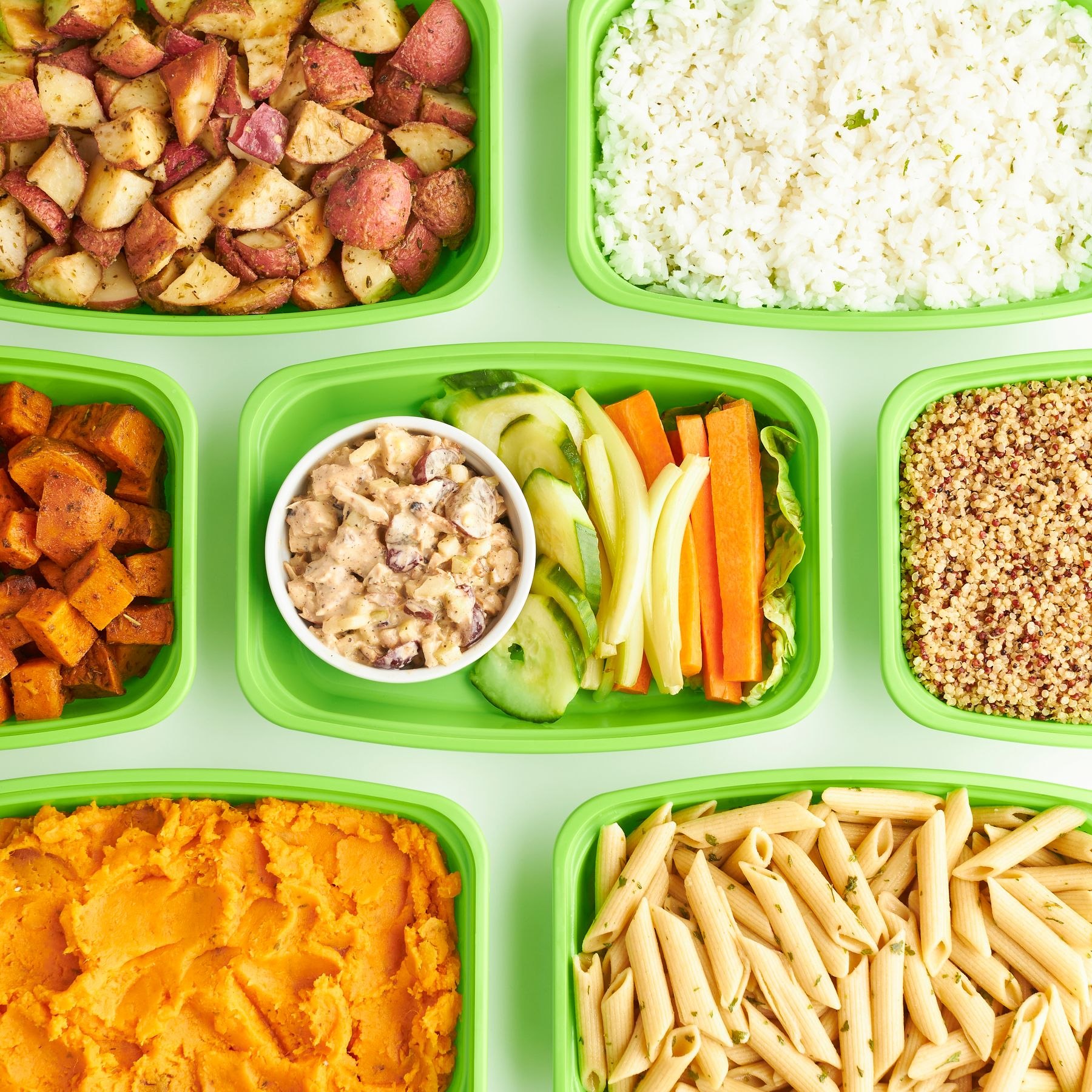
USDA advises shallow containers, prompt refrigeration, and three to four refrigerated days for leftovers. Its room-temperature limit is two hours, or one hour above 90 F. Follow shorter product-specific or local guidance where applicable. Labeling the cooking date makes this check much easier than trying to reconstruct several days of meals.
Remove Only the Portion You Need
Use a clean utensil to transfer the amount you intend to eat to a suitable reheating container. Leave the rest covered in the refrigerator. Smaller quantities are usually easier to heat evenly than a deep container holding several meals.
Break up dense clumps and spread food into a reasonably even layer. If one portion includes a large piece of meat and a thin layer of vegetables, consider warming them separately so the vegetables do not dry out while the thicker item catches up. Keep cold toppings and fresh garnishes aside until the hot food is ready.
Use the Microwave With Stirring and Standing Time
Choose microwave-safe cookware and cover the food in the manner recommended for the container, leaving a vent where required. A small splash of suitable liquid can help a dry sauce or grain dish, but add it gradually so the result does not become soupy.
Pause to stir, moving cooler food from the center toward the outside. Turn or rearrange pieces that cannot be stirred. Follow the microwave or package instructions for standing time; heat distribution continues after the power stops. Do not assume a rotating plate eliminates cold spots, especially in thick or irregularly shaped portions.
Choose the Stove for Spoonable Foods
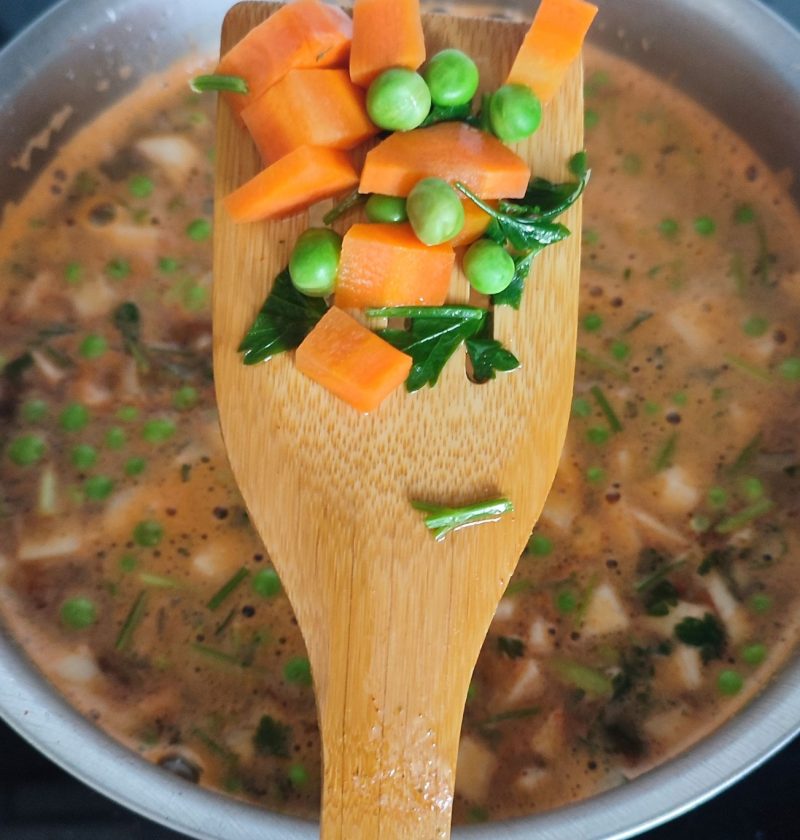
Soups, stews, and saucy beans are often straightforward to reheat in a saucepan. Use manageable heat and stir down to the bottom so the base does not scorch while the surface remains cooler. Add a little liquid if the food has thickened during storage.
Keep the pan size appropriate to the portion. A very wide pan can drive off moisture quickly, while a deep crowded pan can be difficult to stir thoroughly. Bring the entire mixture through the required reheating process before turning down the heat for serving. A few bubbles at one edge do not show what is happening everywhere else.
Use the Oven for Foods That Need Structure
An oven can suit baked dishes and portions that would become awkward in a saucepan. Place the food in an oven-safe dish and cover initially if that helps retain moisture. Uncover toward the end only when the food and method make that useful.
| Food | Useful approach | Common difficulty |
|---|---|---|
| Soup | Saucepan with thorough stirring | Hot surface, cooler bulk |
| Single mixed portion | Microwave with rearranging | Cold center |
| Baked casserole | Oven-safe dish | Dry edges before the center heats |
Choose for the food’s shape and texture, not simply the appliance that happens to be empty.
Check Temperature in More Than One Place
USDA specifies reheating leftovers to 165 F, about 74 C, and checking several places. Use a clean food thermometer in the thickest or coolest-looking areas, avoiding contact with the container where that would distort the reading.
For a mixed dish, check different components and locations. If one area is below the target, continue heating, stir or rearrange as appropriate, and check again. Clean the thermometer according to its instructions before putting it away. Steam and a hot container are useful observations but do not replace the internal check.
Serve Promptly and Improve the Next Batch
Add herbs, crunchy toppings, or a cold accompaniment after reheating. Serve the food promptly instead of letting the finished meal wait on the counter while you prepare unrelated tasks. Heating only what you need reduces unnecessary cycles through warming and cooling.
Notice what made the process difficult. If portions are always too thick, pack future leftovers more shallowly. If sauces consistently dry out, store components separately or choose a gentler method. These small storage decisions improve the next meal more reliably than extending the heating time and hoping the middle catches up.