Whole-grain shopping can become confusing when every bread bag has wheat stalks, earthy colors, and a different promise. The useful information is usually less decorative: the grain ingredients, their wording, and a nutrition panel you can compare fairly. A short label-reading routine lets you choose food that fits your meals without turning the cereal aisle into a research assignment.
Look for a Named Whole Grain
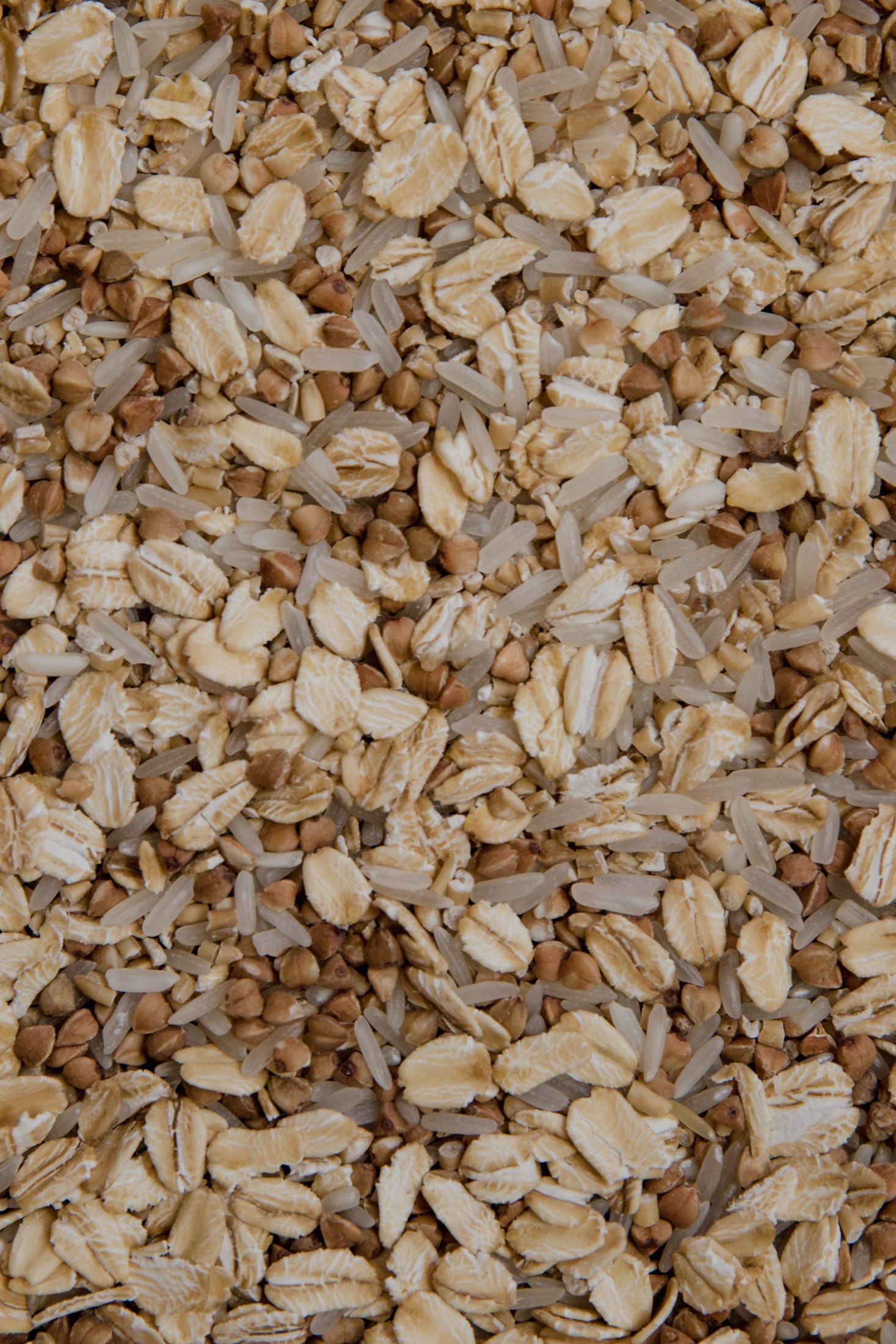
Find the ingredient list and identify the grain itself. Whole oats, whole-grain wheat, and brown rice are clearer descriptions than an unspecified grain blend. For a bread made with several flours, look at how the whole-grain ingredients appear alongside refined ones.
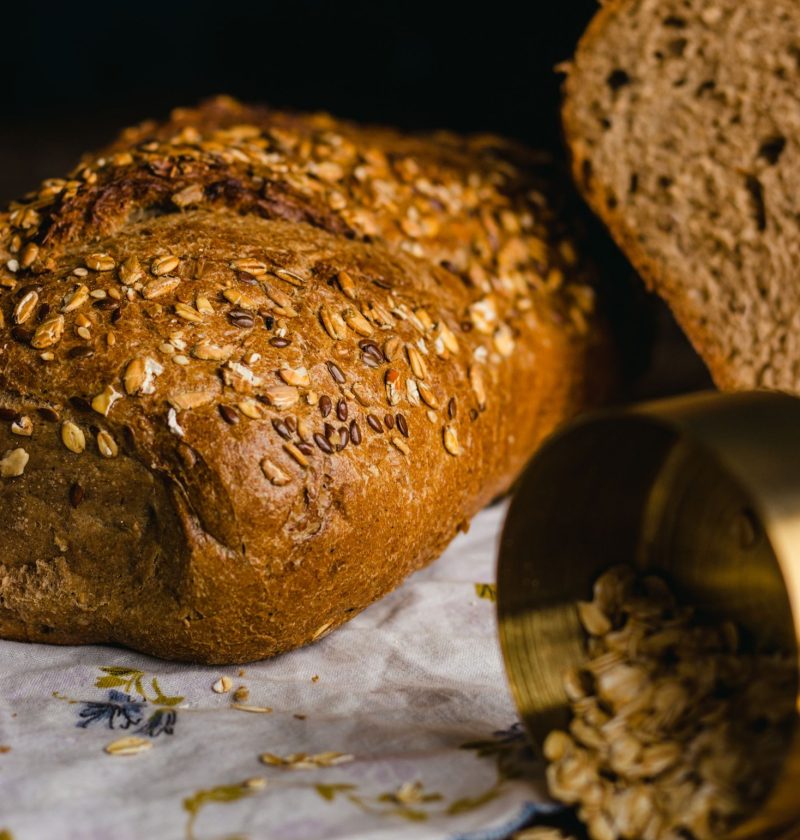
USDA’s whole-grain shopping guidance notes that brown color is not proof and that wording such as multigrain does not guarantee a whole-grain product. Treat the front of the package as an introduction, not the final answer. A picture of seeds tells you little about the flour underneath them.
Distinguish Variety From Whole-Grain Content
A product can contain several grains while using refined versions of those grains. Conversely, a simple package of oats can be a straightforward whole-grain choice without an elaborate list of ingredients. More grain names do not automatically make the product a better match for your goal.
Seeds, bran, and added fiber can change a product’s texture and nutrition, but they do not by themselves establish that all its flour is whole grain. Keep these questions separate: what grain is present, how much of the recipe is whole grain where declared, and what the finished food offers in the nutrition panel.
Compare Equivalent Amounts
Bread slices vary in thickness, and cereal serving measures vary with density. Comparing one slice of a dense loaf with one slice of a thin loaf can hide the difference in actual quantity. Check the gram weight or use a per-100-gram column when the packaging supplies one.
The FDA explains that nutrient amounts refer to the stated serving. Use that information as a comparison tool rather than a command about what your meal must contain. A serving of crackers eaten with soup and a serving used as a snack may play different roles.
Read Fiber Without Making It the Only Test
Compare fiber between similar products once the quantities are aligned. Then return to the ingredient list to see where that fiber comes from. A higher number may reflect whole grains, added isolated fiber, or a combination. You can value the information without expecting one number to describe the whole food.
Also check sodium and added sugars where listed, especially for flavored cereals, crackers, and packaged grain mixtures. A whole-grain ingredient does not cancel the rest of the recipe. Plain oats and sweetened oat clusters can both contain oats while serving very different breakfast purposes.
Choose for the Meal You Actually Eat
Think about texture and preparation. A robust whole-grain bread may suit toast and soup but overwhelm a delicate sandwich filling. Wholewheat pasta may need a sauce with enough moisture, while brown rice requires a cooking schedule different from a quick-cooking couscous.
| Food | Label question | Kitchen question |
|---|---|---|
| Bread | Which flour is named? | Will it suit sandwiches or toast? |
| Cereal | What else accompanies the grain? | Will you eat it as sold or add toppings? |
| Grain pouch | Is it plain or seasoned? | Does the flavor fit dinner? |
The best purchase is a food you can use regularly, not one that only looks impressive in the cupboard.
Check Storage and Package Size
Read storage instructions, especially after opening. Buy bread in a quantity you can use or freeze appropriately, and keep dry grains in clean, tightly closed packaging. If decanting, retain the cooking instructions and enough identifying information to know which grain you have.
A large package can be inconvenient if the household rarely eats that particular food. Start with a manageable amount when trying a new texture. Once you know whether it works for breakfast, sandwiches, or dinner, you can decide whether a larger pack belongs in the regular shop.
Make One Repeatable Comparison
Choose two products in the same category and compare them in a fixed order: grain wording, equivalent quantity, fiber, sodium, and added sugars if present. Finish by checking taste preferences and intended use. This gives you a reasoned choice without requiring a perfect score.
- Ignore color as evidence.
- Identify the actual grain ingredients.
- Align the comparison quantity.
- Read the wider nutrition panel.
- Choose a practical cooking or serving role.
Keep a note of the product that works, but reread the package occasionally. A familiar design does not guarantee that ingredients, slice size, or preparation directions have stayed the same.