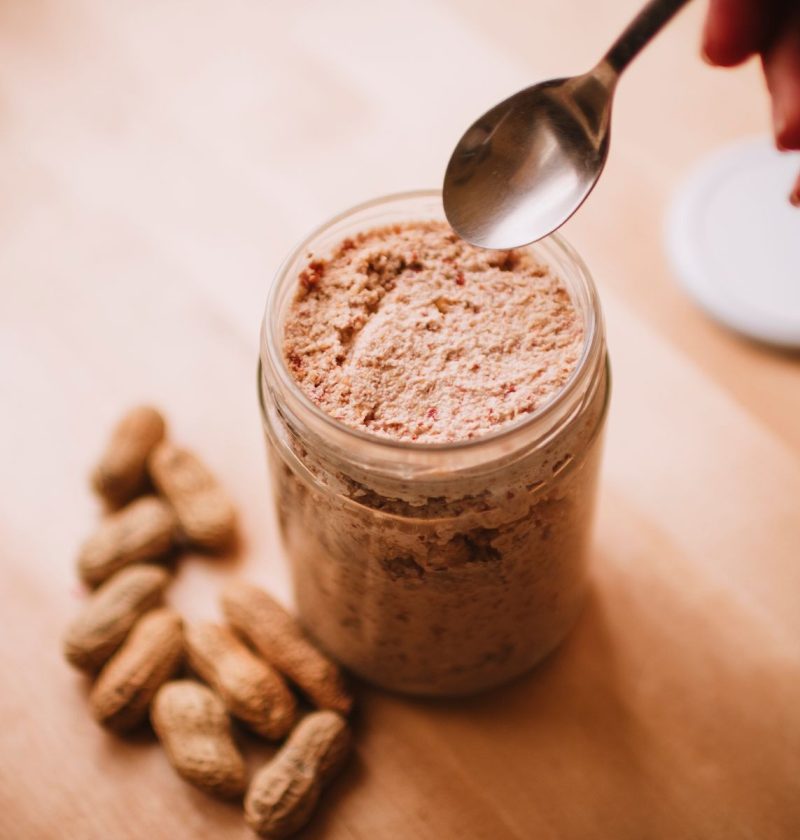
Two jars called peanut butter can behave differently before you even taste them. One needs stirring, another spreads straight from the shelf, and a third is closer to a sweet dessert spread. Understanding the ingredient list helps you choose intentionally. The aim is not to find the shortest label at any cost, but to know what the jar contains and how you plan to use it.
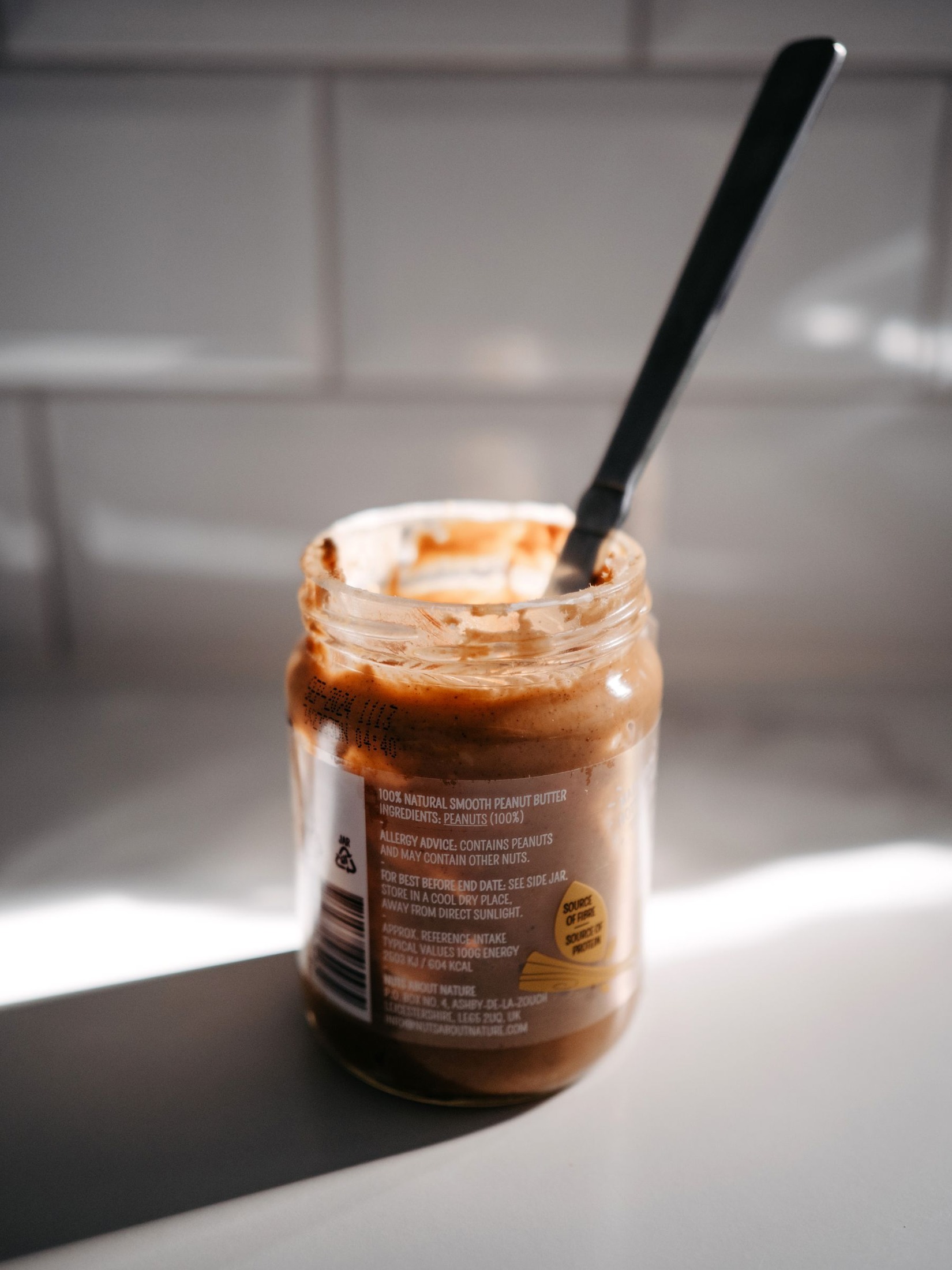
Read the Product Name and Ingredients Together
Check whether the product is peanut butter, almond butter, a mixed-nut spread, or a flavored spread containing nuts. The name on the front may emphasize one ingredient while the list gives a clearer picture of the full recipe. Look for the actual nuts, any added oils, salt, and sweetening ingredients.
A jar made from nuts alone can be useful when you want full control of seasoning. A salted version may suit toast, while a sweetened cocoa spread serves a different purpose. None of those products needs a moral label; they need an accurate place in your shopping decision.
Separate Smoothness From Ingredient Quality
Smooth and crunchy describe texture, not the amount of sugar, salt, or added oil. Read both versions if you are comparing them. A crunchy product may be enjoyable on toast but awkward in a finely textured dressing, while a smooth one is easier to whisk into a sauce.
Oil separation can occur in products without stabilizing ingredients. Follow the jar’s directions for stirring and storage rather than treating separation as automatic spoilage. Conversely, a spread that stays uniformly mixed is not automatically suspicious. Stabilization changes convenience and texture; the ingredient list tells you what was used.
Compare Equal Quantities on the Nutrition Panel
Check the serving weight before comparing two jars. A heaped spoonful and a level spoonful are not reliable equivalents, and brands may use different declared quantities. A per-100-gram column or matching gram weights gives a clearer comparison.
The CDC identifies sodium and added sugars as useful label checks. Compare those entries without allowing one front-label claim to settle the whole purchase. A no-added-sugar spread may still contain salt, and a no-salt-added version may still include sweetening ingredients. Read across the panel and down the ingredient list.
Choose Flavor According to the Intended Dish
For a peanut noodle sauce, a plain smooth butter gives you room to add ginger, lime, and other seasonings. For toast, roasted flavor and spreadability may matter more. Almond butter can work with porridge, but its taste and consistency are not identical to peanut butter in every recipe.
| Kitchen use | Helpful jar feature |
|---|---|
| Whisked sauce | Smooth texture and a flavor that suits savory ingredients |
| Toast topping | Preferred crunch and easy spreading |
| Porridge topping | Texture that loosens easily when stirred |
| Baking | The type and consistency named in the recipe |
Do not assume swapping a stabilized spread for a runny, freshly stirred butter leaves baking results unchanged.
Treat Allergens as a Separate Decision
Check the specific nut and the package’s allergen information every time it matters for your household. A familiar lid color or brand name is not enough. Mixed-nut products require particular attention because the ingredient blend may include nuts you did not intend to buy.
Keep shared knives and serving surfaces in mind as well. A jar can be correctly labeled and still become part of cross-contact in a household kitchen. Use clean utensils and follow any established household allergy arrangements. A seed butter is not automatically an appropriate substitute without checking its label and the needs of the person eating it.
Store the Jar According to Its Instructions
Some jars call for refrigeration after opening; others give different directions. Follow the actual product rather than a rule remembered from another brand. Close the lid securely and use clean, dry utensils. Avoid introducing crumbs or wet ingredients into the jar.
If stirring is required, do it carefully in the original container with enough room to move the utensil. Mixing gradually from the edges can help incorporate the oil without spilling. Record the opening date when useful, particularly if several jars are in circulation and each is used only occasionally.
Make the Jar Part of Meals, Not Just the Cupboard
Choose two or three realistic uses before buying a large jar. It could spread onto toast, loosen into a vegetable sauce, or accompany sliced fruit as part of a snack. Keep recipe measurements when they affect sauce consistency, while adjusting the finished meal to appetite.
When comparing jars next time, remember which practical feature mattered most. Perhaps the smooth butter whisked easily but was inconvenient on bread, or the crunchy jar never made it into sauces. A good label decision connects ingredients, texture, storage, and actual use rather than chasing a perfect-looking package.