Measuring food can be a kitchen skill rather than a calorie-counting exercise. A cup, a ladle, or a small scale can help you cook enough pasta, repeat a successful sauce, and avoid producing an accidental mountain of rice. The aim is dependable quantities for your household, not a rigid rule about what anyone must eat. Start with cooking logistics and let appetite remain part of serving.
Separate Recipe Quantity From Eating Quantity
A recipe measure tells you how much ingredient goes into a dish. A portion is what you choose to serve. Those ideas overlap, but they are not identical. Two people eating the same meal may want different amounts, and someone may want seconds on one day but not another.
The FDA notes that a labeled serving size is not a recommendation about how much to eat. Use package information to understand the product or recipe, not as an automatic instruction for every plate. Measuring can support flexibility when it helps you see how much food is actually available.
Pick a Tool for the Ingredient
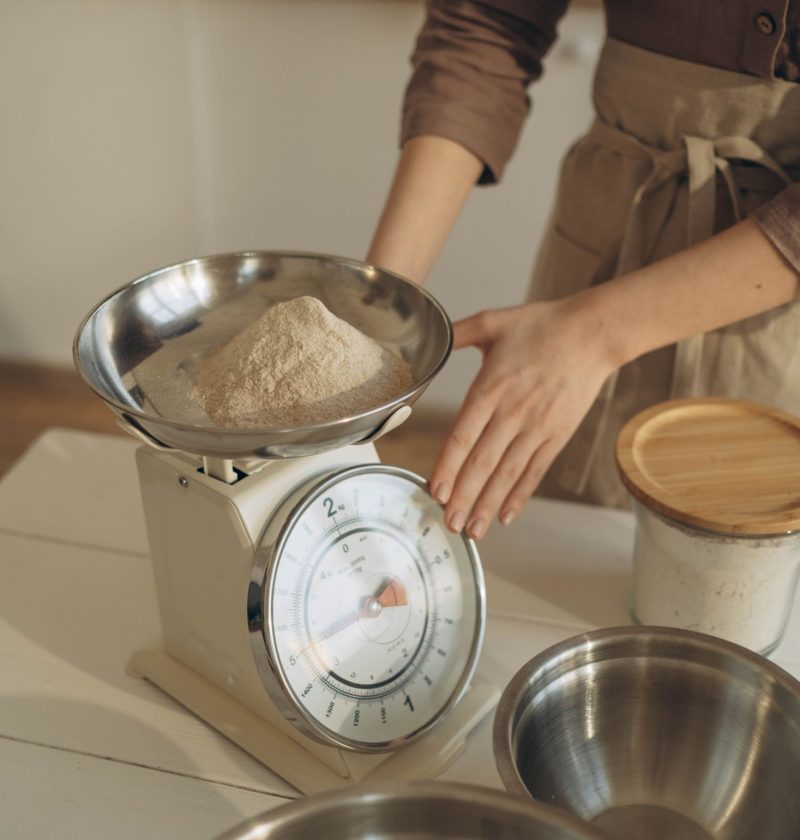
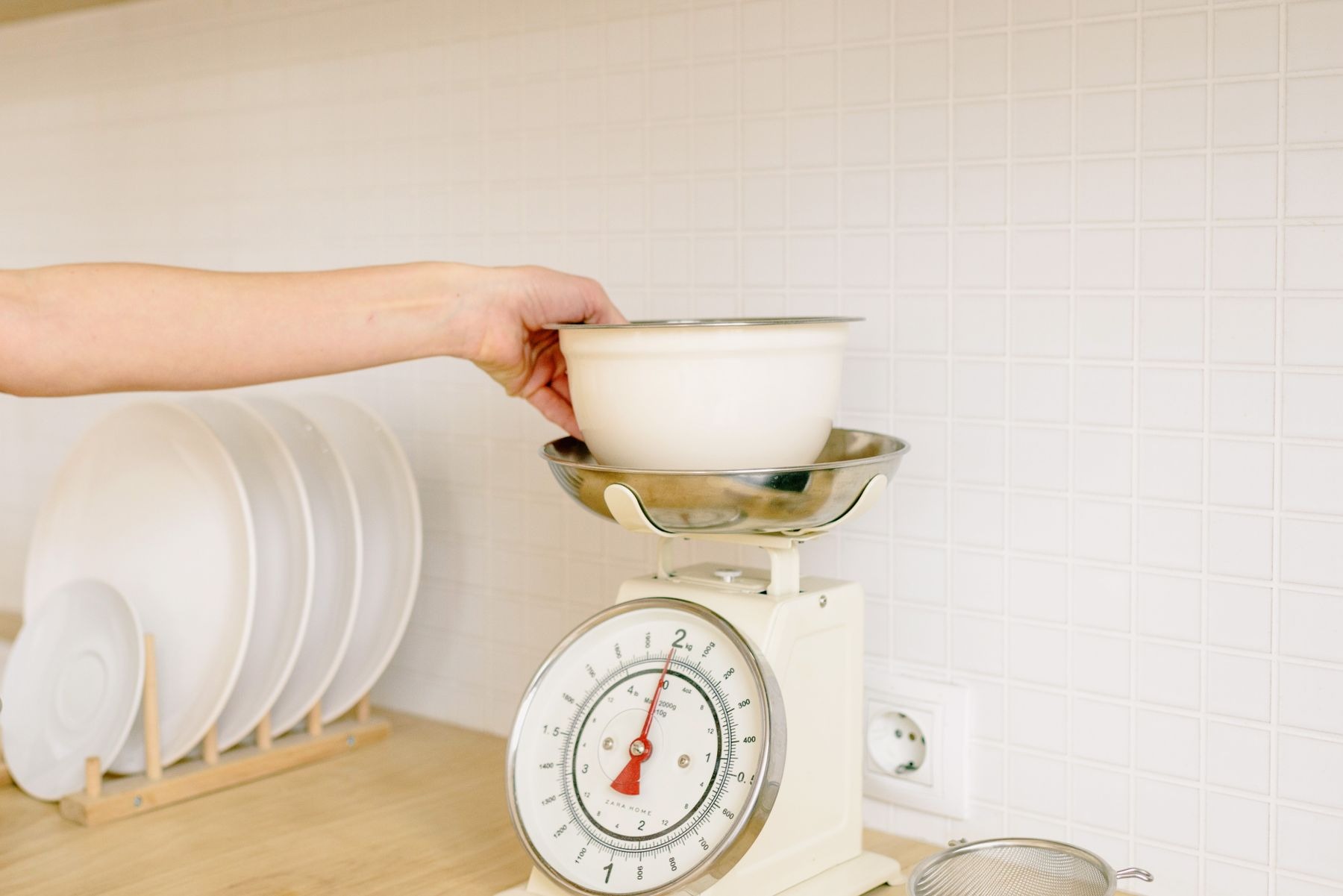
Use measuring spoons for small recipe amounts such as spices, baking ingredients, or a dressing component. A measuring jug suits liquids. A kitchen scale can simplify dry ingredients when the recipe uses weights, while a familiar cup or scoop can be enough for a repeat household dish.
Do not mix systems casually in recipes where precision affects the result. Cup sizes can differ by country, and a heaped household spoon is not the same as a level measuring spoon. Follow the recipe’s stated system, especially in baking. For a flexible vegetable soup, a little variation may be less consequential.
Note Whether the Measure Is Dry, Cooked, or Drained
Rice, pasta, and lentils change weight and volume during cooking. A measure of dry rice is not interchangeable with the same measure of cooked rice. Check the recipe wording before scaling up or down, and use the package’s cooking instructions for the specific product.
Canned ingredients need similar attention. A recipe may mean the whole contents, just the drained solids, or a stated drained weight. Write the useful quantity in your household notes. This prevents the recurring problem of buying a familiar can size that supplies a different amount after its liquid is removed.
Learn Your Household’s Actual Yield
After cooking a familiar dish, notice how much it produced and how it was used. Perhaps a certain dry pasta quantity comfortably serves dinner and leaves one lunch, while a soup recipe makes more than your storage containers can hold. Record that practical result without translating it into calories.
| Food | Useful note |
|---|---|
| Rice | Dry quantity that suited the planned meals |
| Soup | Number of usual bowls or storage tubs produced |
| Pasta sauce | Batch amount for dinner plus a planned extra |
| Beans | Drained quantity used in the usual dish |
These notes are starting points for shopping and cooking, not permanent limits on anyone’s appetite.
Use Consistent Serving Tools When Sharing
A familiar ladle or serving spoon can help divide a dish fairly when several people are eating. Count the available servings before plating if you also need to reserve a planned lunch. Keep that reserved food safely handled rather than letting it sit out while dinner continues.
For mixed dishes, stir before serving so vegetables, beans, sauce, and other components are distributed more evenly. If a pot contains large pieces, divide those first and add the remaining mixture afterward. This is often more useful than making bowls look equally full while one contains nearly all the main ingredients.
Scale Recipes With a Little Judgment
Halving ingredient quantities does not always halve cooking time. A smaller batch may still need time for vegetables to soften, while a larger batch may need a wider pan or separate cooking batches. Use the recipe’s doneness cues and safe cooking instructions rather than relying only on arithmetic.
Seasonings can be adjusted gradually in flexible savory dishes. Start with a measured amount, taste when appropriate, and add more deliberately. In baking, preserve the recipe’s proportions more carefully. Measuring is most helpful when you understand which parts of the recipe are flexible and which support its structure.
Keep the System Light Enough to Use
Choose two or three dishes where quantity guesswork causes repeated problems. Measure those a few times and keep a short note. There is no need to weigh every lettuce leaf or turn breakfast into a spreadsheet. Use precision where it solves a real cooking issue.
- Read dry, cooked, and drained wording.
- Use a tool suited to the ingredient.
- Record useful household yields.
- Plan deliberate leftovers.
- Leave serving amounts responsive to appetite.
A practical measuring habit makes the next shopping list more accurate and the next dinner easier to cook. Once the quantity is familiar, you may need the tool less often, while still knowing when a recipe deserves closer attention.