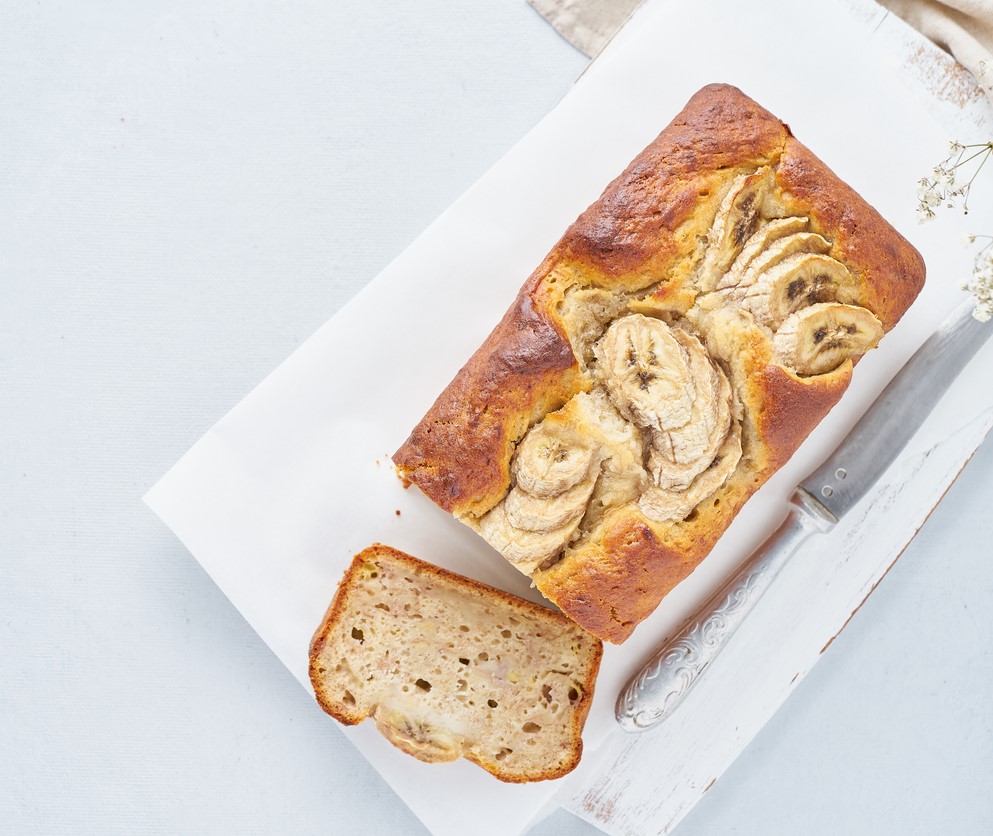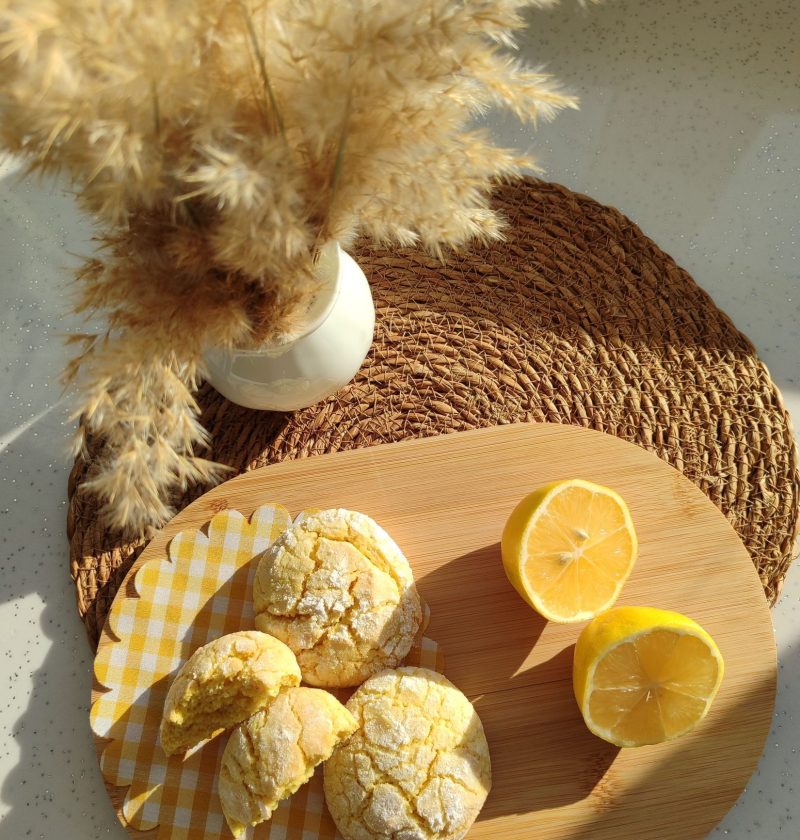
Lemon yogurt oat muffins combine the softness of a simple yogurt batter with the gentle texture of rolled oats. Lemon zest supplies most of the aroma, while a little juice keeps the flavor clear. These are lightly sweet breakfast-style muffins, not cupcakes, and they are meant to have a tender crumb rather than a crunchy oat topping.
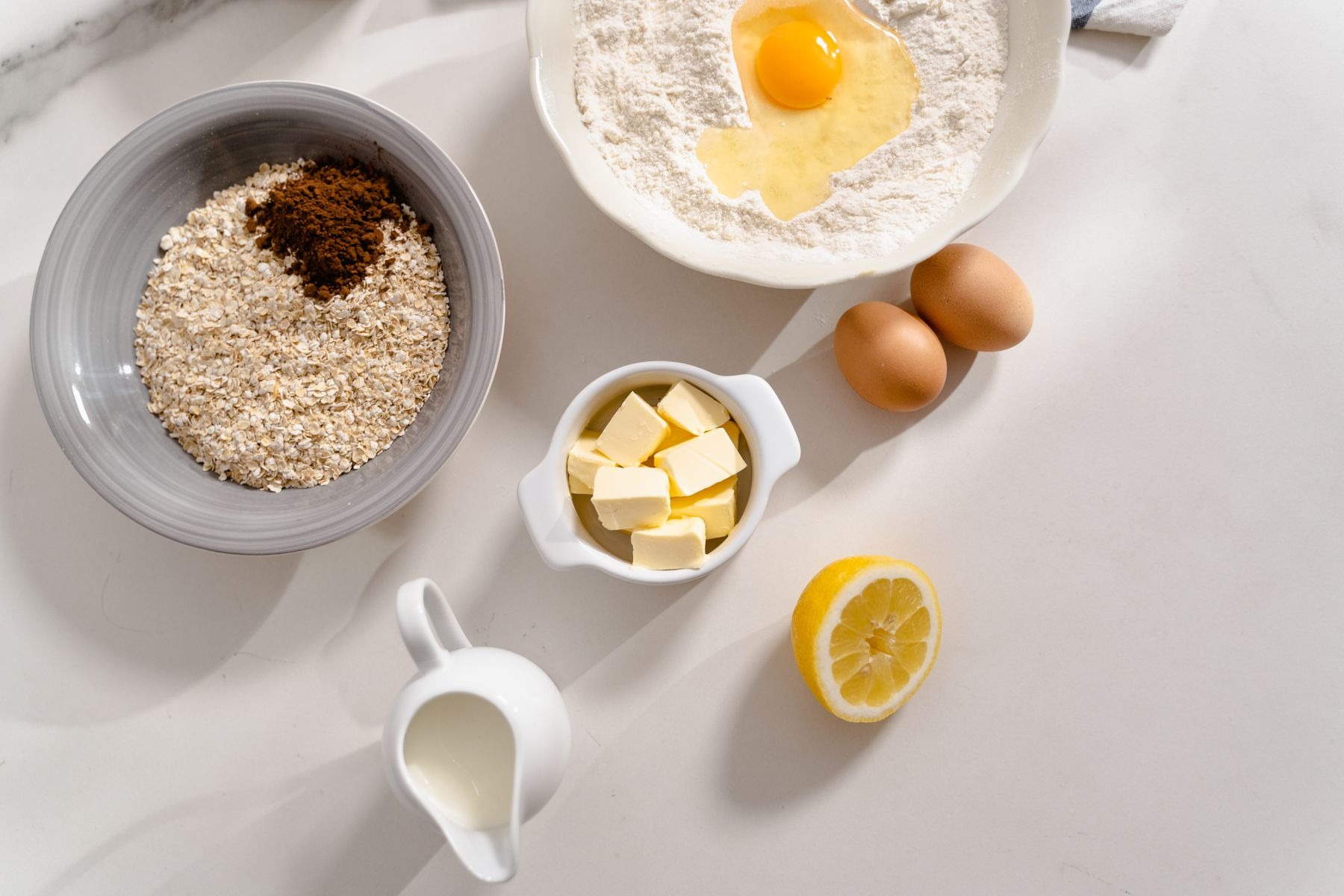
A short soak gives the oats a head start before baking. The flour is then folded in only until it disappears, which helps prevent a tough texture. Measuring accurately and avoiding overmixing matter more than using special equipment. A bowl, whisk, and spatula are enough to make the batter.
Yield, Timing, and Equipment
Makes 12 standard muffins. Allow 15 minutes for active preparation, 10 minutes for the oat soak, 18 to 23 minutes for baking, and 10 minutes for initial cooling. Total time is about 60 minutes. Use a standard 12-cup muffin pan, paper liners or a little oil for greasing, two bowls, a whisk, and a flexible spatula.
Ingredients
- 1 cup old-fashioned rolled oats, about 90 g
- 1 cup plain regular yogurt, not thick Greek yogurt
- 1/4 cup milk
- 1 1/4 cups all-purpose flour, about 150 g
- 2 teaspoons baking powder
- 1/4 teaspoon baking soda
- 1/2 teaspoon fine salt
- 2 large eggs
- 1/2 cup granulated sugar
- 1/3 cup neutral oil
- 2 tablespoons fresh lemon juice
- 2 teaspoons finely grated lemon zest
- 1 teaspoon vanilla extract
- 1 teaspoon additional oil for greasing, if not using liners
Soak the Oats and Measure the Flour
Mix oats, yogurt, and milk and let them stand for 10 minutes while preparing the remaining ingredients. This brief active preparation period softens the flakes; it is not an overnight room-temperature soak. Regular yogurt works well because it supplies both moisture and acidity. If only Greek yogurt is available, see the measured adjustment below rather than using it unchanged.
For flour, use a scale when possible. Otherwise, fluff it in the container, spoon into the cup, and level without packing. Scooping firmly can add enough extra flour to dry the muffins. Wash and dry lemons before zesting, and grate only the colored surface. The white layer beneath tastes bitter and does not add the same fragrance.
Numbered Muffin Instructions
- Heat the oven to 375 F. Line or lightly grease all 12 muffin cups. Set the pan aside while the oats complete their 10-minute soak.
- Whisk flour, baking powder, baking soda, and salt in a separate bowl. Break up any visible lumps of leavener so individual muffins do not contain concentrated bitter pockets.
- In a large bowl, whisk eggs and sugar until evenly combined. Add oil, lemon juice, zest, and vanilla. Stir in the soaked oat mixture, including any liquid left in its bowl.
- Add the dry ingredients to the wet ingredients. Fold with a spatula just until no dry flour remains. The batter should be thick and slightly lumpy; do not beat it smooth.
- Divide batter evenly among the 12 cups, filling each approximately three quarters full. Bake for about 18 to 23 minutes, checking at 18 minutes.
- Remove when the tops spring back lightly and a toothpick inserted into a central muffin comes out without wet batter, though a few moist crumbs are fine. Cool in the pan for 5 minutes, then move to a rack for at least another 5 minutes before serving.
Doneness and Baking Adjustments
Baking time is an estimate because pan color, oven calibration, and cup size vary. Do not judge only by golden edges: the middle needs to be fully baked. If a toothpick shows shiny batter, bake another 2 to 3 minutes and check again. Avoid tasting raw batter because it contains both uncooked eggs and flour.
If the tops darken before the centers finish, tent the pan loosely with foil. Dense, rubbery muffins can result from too much flour, overmixing, or old baking powder. Large tunnels often point to vigorous mixing after flour was added. Allow muffins to settle briefly before removing them, since hot oat-rich crumbs are delicate and can tear.
Substitutions and Serving Ideas
For Greek yogurt, use 3/4 cup Greek yogurt and increase the milk to 1/2 cup, maintaining the same combined volume. Plain unsweetened plant yogurt and plant milk can replace dairy, but avoid unusually thin drinking yogurt. Melted butter can replace oil by volume if cooled before mixing. Replace half the all-purpose flour by weight with whole-wheat flour for a slightly firmer crumb.
Orange zest and juice can replace lemon in the same amounts. Fold in up to 1/2 cup blueberries after the flour if desired; extra fruit can extend baking. Serve plain or with a little yogurt. A glaze is unnecessary for the intended lightly sweet finish.
Storage and Warming
Once cooled, refrigerate in a covered container and use within 4 days, or freeze individually for up to 2 months for best quality. Avoid sealing while steaming, which creates condensation. Thaw frozen muffins in the refrigerator and warm briefly before serving if preferred. Do not add a perishable yogurt topping until serving. Clean handling and refrigeration principles are described in FDA safe food handling guidance.