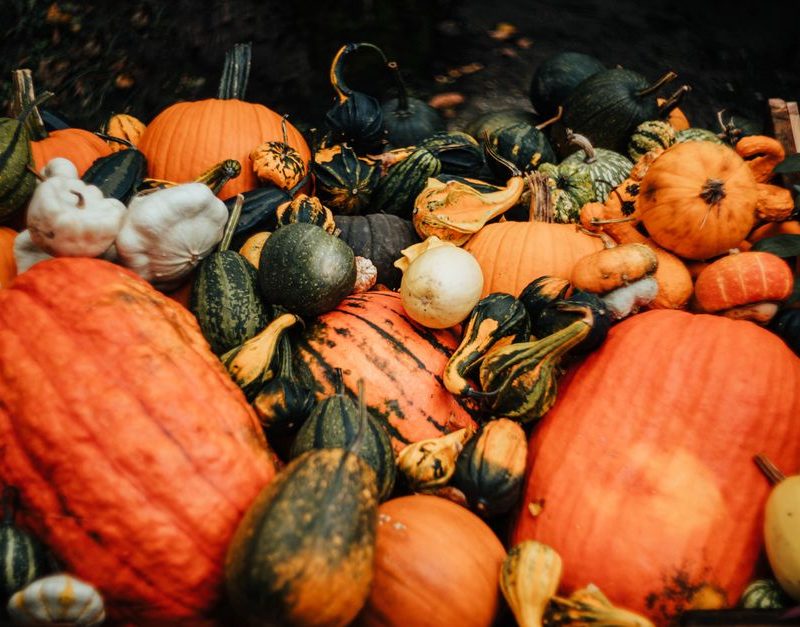
Autumn produce brings plenty of character to everyday food: crisp apples, earthy beetroot, sweet squash, leafy cabbage and pears that soften as they ripen. Making the most of it need not mean collecting new recipes or filling your kitchen with unfamiliar vegetables. A useful starting point is learning how these flavours work together. With a few thoughtful pairings, the same autumn purchase can feel at home in breakfast, lunch or dinner without every meal becoming another bowl of soup.
Think in flavour combinations, not seasonal shopping lists
There is no single basket of produce you must buy to eat well in autumn. Availability varies with the weather, where you live and what your shops stock. Choose something you already enjoy, then add one contrasting ingredient. Sweet vegetables often welcome something sharp; earthy flavours benefit from freshness; soft fruit becomes more interesting beside something crunchy.
This approach gives you a reason to use what you bring home. Instead of buying a whole squash because it looks seasonal, decide whether you want its sweetness alongside chickpeas, tangy yoghurt or a tomato sauce. You can still use familiar staples such as bread, pasta, eggs and tinned beans to make the meal substantial.
Give sweet vegetables a savoury partner
Squash, carrots and parsnips can all taste noticeably sweet when cooked. That sweetness is useful, but a plate built entirely around it may feel a little one-dimensional. Pair them with ingredients that bring saltiness, acidity or a gentle bitter edge, tasting as you go.
- Squash and yoghurt: spoon plain yoghurt over warm squash and chickpeas, then finish with lemon zest and black pepper.
- Carrot and mustard: fold cooked carrots into lentils with a little mustard dressing and chopped parsley.
- Parsnip and greens: serve mashed parsnip and potato beside cabbage and eggs, letting the greens balance the sweeter mash.
- Beetroot and something tangy: combine cooked beetroot with a spoonful of yoghurt or a little crumbled feta and a squeeze of lemon.
You do not need every finishing touch at once. Start with a small amount, taste, then decide whether the dish needs more sharpness or seasoning. This makes it easier to recognise what the vegetable itself contributes, rather than covering it with a strong dressing.
Let apples and pears cross into savoury meals
Autumn fruit can do more than fill a crumble. Apples bring crunch and acidity to savoury food, while pears offer a softer sweetness. Think of either as a small part of the dish, much as you might use tomatoes in summer.
Use apples for a crisp contrast
Try thin apple slices in a cheddar and cabbage sandwich, or tuck them into a wrap with hummus and grated carrot. A little diced apple also works beside cooked lentils, celery and a mustard dressing. Choose a firm apple when you want the pieces to stay crisp, and add it close to serving.
Cooking apples have a place beyond pudding too. A small amount, cooked until soft, can add a sharp fruity note beside a pork or bean casserole. Taste before adding other sour ingredients, because apples differ considerably in tartness.
Use pears where gentle sweetness fits
Firm pears can be sliced alongside cheese, wholemeal bread and cucumber for an easy lunch. Riper pears suit porridge or plain yoghurt. If a pear is very juicy, use a bowl rather than trying to contain it in a sandwich. Matching the fruit’s texture to the meal is often more useful than following a fixed combination.
Keep something fresh beside the comforting food
As meals become warmer and softer, a crisp accompaniment can make them more satisfying to eat. You do not need a large salad. A little shredded cabbage, grated carrot or sliced apple can provide enough contrast beside a baked potato, pie or thick stew.
Keep the accompaniment simple so it has a clear role. Dress cabbage lightly with lemon juice and olive oil, or stir grated carrot with plain yoghurt and a pinch of cumin. Avoid making every element rich and creamy when the main dish already has that texture.
If raw vegetables do not appeal to you, lightly cooked greens can bring a similar sense of freshness. Finish them with a squeeze of lemon just before serving. The point is to create contrast you enjoy, rather than insist on a particular way of eating vegetables.
Build autumn lunches around familiar food
A seasonal lunch does not need its own recipe. Begin with a familiar base, add autumn produce, then include something that makes it feel like a complete meal. Beans, eggs, fish, tofu, yoghurt or cheese can all play a part, depending on what you enjoy.
- Toast: top wholemeal toast with white beans, cooked mushrooms and chopped parsley.
- A jacket potato: add cottage cheese and beetroot, with shredded cabbage alongside.
- A grain bowl: combine cooked barley with squash, chickpeas and a lemony yoghurt dressing.
- A sandwich: layer hummus, grated carrot and thin apple slices, adding black pepper to taste.
Use these as starting points rather than rules. Swap barley for bread, chickpeas for lentils or cabbage for another vegetable you like. You are looking for a combination of flavours and textures that works with your normal lunch routine.
Make fruit interesting without turning it into a project
A bowl of plain fruit is perfectly worthwhile. When you want a change, small additions can make it feel different without much preparation. Try sliced pear with yoghurt and toasted oats, or apple wedges with a little peanut butter. Stir chopped plums into warm porridge so some pieces soften while others keep their shape.
For a warm option, gently cook chopped apple or pear with a splash of water and cinnamon until tender. Taste before deciding whether it needs anything else. Serve it with porridge, yoghurt or custard according to the occasion. Fruit does not have to replace every dessert; it can simply become another enjoyable option.
Try one unfamiliar pairing at a time
If you usually buy the same vegetables, keep most of the meal familiar when introducing something different. Serve a little cooked celeriac mixed into your usual potato mash, or add a small amount of shredded red cabbage beside a favourite sandwich. This lets you explore its flavour without committing the whole meal to it.
Notice what you liked: sweetness, crunch, earthiness or the way a sharp dressing changed the dish. Next time, repeat that successful detail with another autumn ingredient. Making the most of the season can be as modest as finding a new use for one pear or discovering that a spoonful of yoghurt makes squash more appealing. Those small discoveries are easy to carry into everyday cooking.