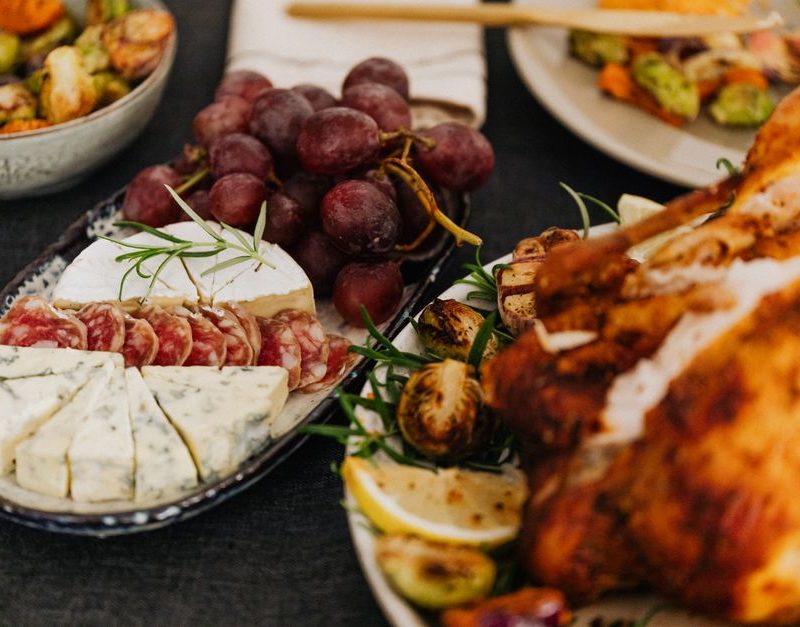
Planning a healthier festive table begins before the first pan goes on the hob. It is about choosing dishes that work together, making vegetables appealing and ensuring every guest can enjoy a complete meal. Your favourite roast potatoes and pudding can still have their place. A thoughtful menu gives them company, with different colours, textures and flavours across the table.
Focus on the practical decisions you make as a host: what to cook, how to serve it and how much your kitchen can comfortably handle. This approach keeps the emphasis on a welcoming meal, without turning the gathering into a conversation about diets or asking anyone to justify their choices.
Build the menu around your guests
Start with a confirmed guest list and the kind of occasion you are hosting. A seated lunch calls for dishes that arrive together. A buffet needs food that is easy to serve and combinations that make sense on one plate. An afternoon gathering may need a smaller spread than a full evening meal.
Ask about allergies and dietary requirements before you settle the menu. Find out whether ingredients and utensils need to be kept separate during preparation and serving. Avoid assuming that a dish suitable for one guest will suit another, even when their requirements sound similar.
If a guest has a specific health condition, let them explain what they need, drawing on advice from their GP or a registered dietitian where relevant. You can make their visit easier by sharing ingredient information and offering straightforward choices.
Give each part of the meal a purpose
Write your proposed dishes on a single list. Look for a satisfying main, a familiar starchy accompaniment, varied vegetables and something fresh or tangy. You do not need several dishes in every group. The aim is a spread with enough variety to feel interesting, while remaining manageable to cook.
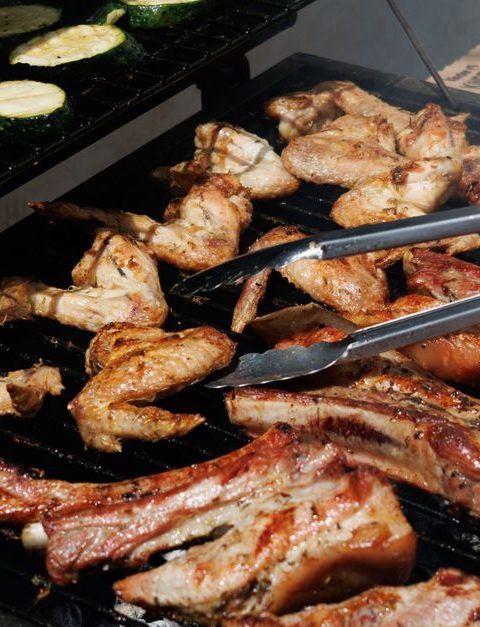
- The centrepiece: choose a meat, fish or plant-based main that fits the occasion.
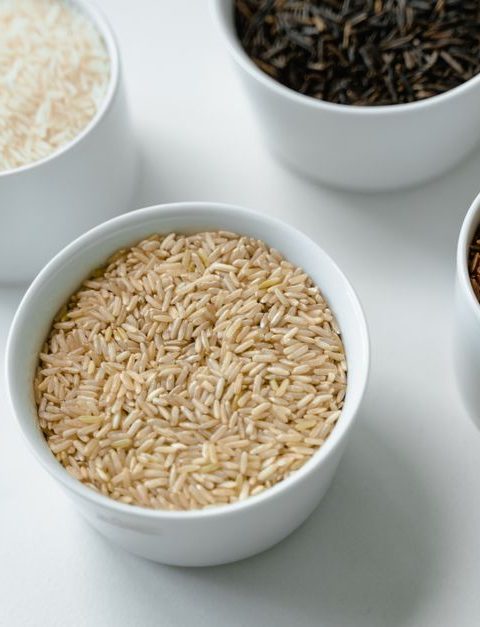
- The accompaniment: include potatoes, bread or another starch that complements the main.
- The vegetables: combine different textures instead of making every side soft and rich.
- The finishing touches: add a sauce, dressing or garnish where it improves the meal.
Check for repetition. If you already have creamy potatoes, a creamy vegetable bake and a creamy sauce may add less variety than green beans or a crisp salad. Keep the dish people most look forward to, then choose other accompaniments that bring something different.
Make vegetables inviting in their own right
Give vegetable dishes a clear description when planning them. Roasted carrots with orange zest sound more appealing than an unspecified extra vegetable. Greens with lemon and toasted seeds bring a different texture from roasted roots. A crunchy cabbage and apple salad can add freshness alongside a rich main course.
Match preparation to the vegetable. Roast sturdy roots until tender, cook green vegetables so they keep some bite, and dress delicate leaves close to serving. Choose flavours that connect with the rest of the menu without repeating the same seasoning in every bowl.
Taste dishes before adding more salt, especially if they contain cheese, olives or a strongly flavoured sauce. Herbs, citrus zest and a little acidity can help make the flavours clearer. Keep garnishes separate when guests have allergies or different preferences.
Make the alternative main a complete meal
A vegetarian or vegan guest needs more than the vegetables left after other ingredients have been removed. Plan a substantial main from the beginning, such as a lentil and mushroom bake, bean-filled squash or a chickpea pie. Choose something that belongs with your other dishes so the meal feels shared.
Check the accompaniments as carefully as the main. Potatoes cooked in animal fat, gravy made with meat juices and vegetables finished with butter may limit what a guest can eat. Where practical, prepare shared sides with suitable ingredients and offer other additions separately.
Make enough of the alternative main for other guests to try it too. It can sit naturally among the dishes on the table, with its ingredients clearly identified. Check packaged ingredients rather than relying on assumptions about what a familiar product contains.
Let your kitchen set sensible limits
A menu can look lovely on paper and still require more oven space than you have. Note the cooking equipment each dish needs before finalising your choices. Combine oven dishes with hob preparations and cold sides, rather than scheduling everything for the same shelf at different temperatures.
Work backwards from your intended serving time. Allow for finishing sauces, dressing salads and any resting time specified for the main. Leave room for a dish taking longer than expected. A simple sequence is more useful than a timetable that depends on every minute going perfectly.
Choose a few jobs you can complete ahead, following the relevant recipe and storage instructions. Set out serving bowls and utensils beforehand. If a guest offers to bring something, agree on a particular dish so their contribution fills a gap in the menu.
Set the table up for easy choices
Put vegetables and salads within comfortable reach, alongside the main and potatoes. Give every dish a serving utensil. Offer gravy and dressings separately where the recipe allows, letting guests choose how much they want while keeping crisp foods from becoming soggy.
At a buffet, label dishes when their ingredients are not obvious. Keep any dishes prepared for an allergy separate, along with their utensils, according to the arrangements agreed with your guest. Labels help people understand the spread, but they do not prevent ingredients being transferred between bowls.
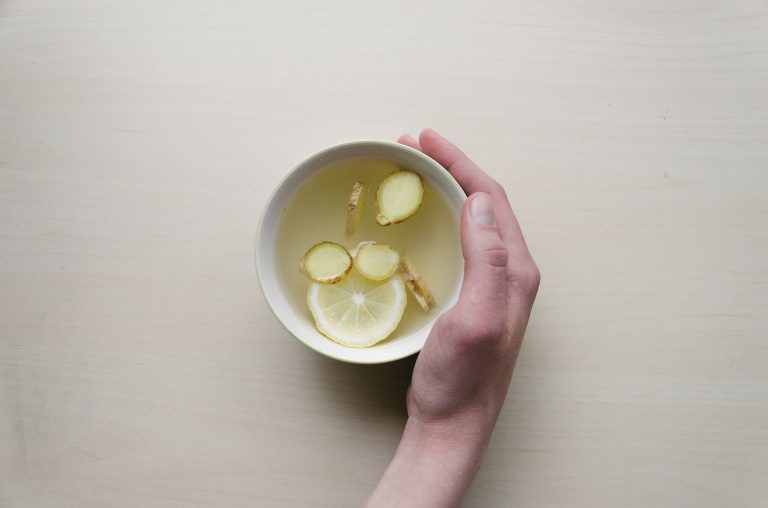
Make water and alcohol-free drinks visible and easy to pour. Water with citrus slices, sparkling water or a warm spiced apple drink can feel at home on a festive table. Offer these choices naturally, without requiring anyone to explain why they prefer them.
Choose dessert with the whole meal in mind
One favourite pudding can be enough, particularly after a substantial main course. If you want another option, consider fruit that adds freshness and a different texture, such as clementines, sliced pears or berries. It does not need to compete with the main dessert.
Serve custard, cream or yoghurt separately when appropriate, and check that any dietary alternative works with the pudding itself. Describe the food plainly rather than labelling choices as good or bad. The practical goal is a table where guests can find something they enjoy.
Before shopping, read the finished menu once more. Check that everyone has a complete meal, your vegetables have variety and the cooking fits your kitchen. Then leave space for the occasion itself: passing dishes, catching up and enjoying the food you have prepared together.