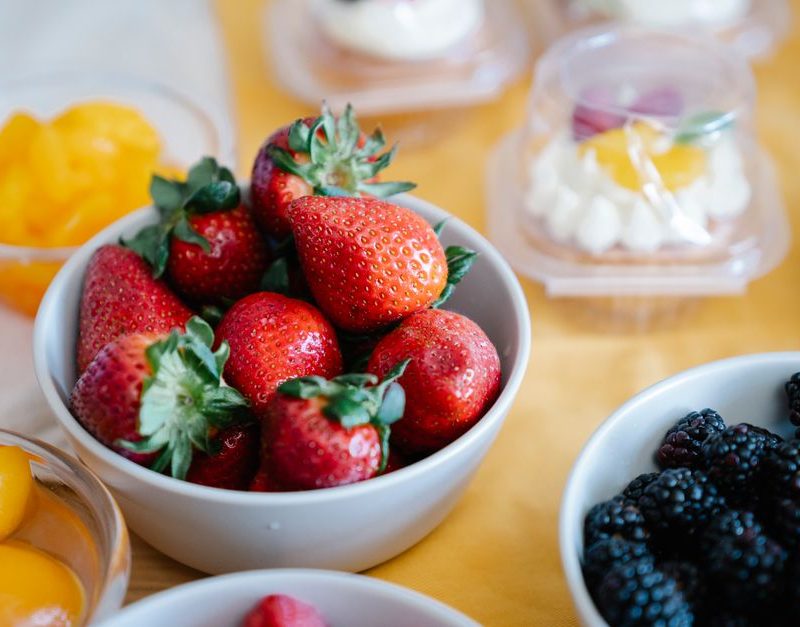
Cutting down on ultra-processed snacks is easier when you begin with the moments they fill. Perhaps you open a packet while answering emails, buy something at the station or reach for biscuits because lunch was too small. Each situation needs a slightly different answer. The aim is to make your usual snack routine more varied and less dependent on packets, while keeping it convenient and enjoyable. You do not need to clear every cupboard or turn every snack into a cooking project.
Understand what you are trying to reduce
Ultra-processed foods are generally industrial formulations made using ingredients and processes you would not usually use in a home kitchen. Many familiar packaged biscuits, confectionery, crisps and snack bars fall into this category. However, packaging alone does not tell you how a food is classified, and a long ingredient list is not a reliable verdict on its nutritional value.
Processing also includes useful steps such as freezing, canning and pasteurising. Plain frozen fruit and tinned pulses can make eating well easier. Some foods classified as ultra-processed, including certain wholemeal breads, can also contribute to a balanced diet. You can reduce your reliance on packaged snack foods without treating all processed food as something to avoid.
Focus on the pattern: which snacks appear repeatedly, what else you eat across the day and whether there is room for more variety. A rigid classification exercise is less useful than a change you can comfortably maintain.
Find your most automatic snack occasion
For a few ordinary days, notice when you reach for a snack. There is no need to weigh food, count anything or record every mouthful. Simply identify the recurring occasion that seems easiest to change. This keeps the task specific instead of turning it into an overhaul of your whole diet.
- At your desk: is the packet within reach throughout the afternoon?
- On the way home: do you need something because your next meal is still a while away?
- During a break: is snacking the only reason you step away from work?
- In the evening: do you want food, a particular flavour or something to do while watching television?
These are observations, not tests of willpower. If you are hungry, plan food that feels sufficient. If you want a break, take one; you can still choose to have a snack. Understanding the occasion helps you decide what would actually improve it.
Choose one default you can repeat
Start with one regular occasion, such as your afternoon break on working days. Decide what you would like to have available before that moment arrives. A useful default should fit your appetite, taste and available facilities. Choosing something you find dull simply creates another task to resist.
Match the experience as well as the food. If you enjoy crunch, a soft snack may leave you still wanting something crisp. If you want a substantial bite between widely spaced meals, a few cucumber slices may be insufficient. You are more likely to repeat an alternative when it answers the reason you wanted the original snack.
- For something crisp, try an apple with a handful of unsalted nuts, if suitable for you.
- For something creamy, serve plain yoghurt with fruit and a spoonful of oats.
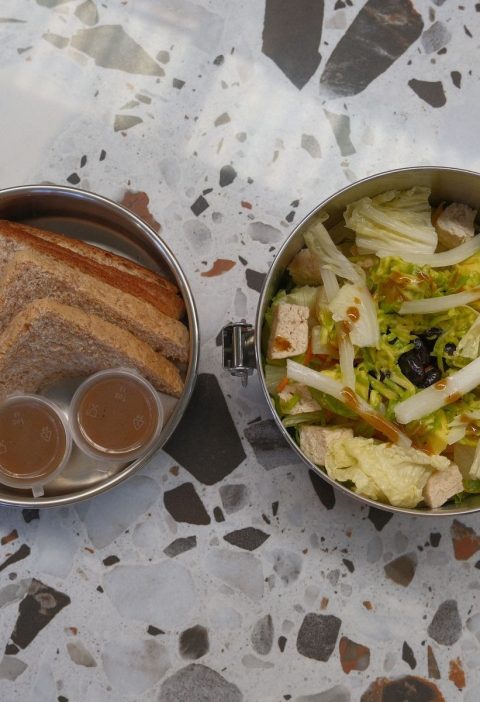
- For something savoury and substantial, try wholemeal toast with mashed beans and black pepper.
- For a simple shared break, put out sliced fruit alongside cheese or an appropriate alternative.
These are starting points, not compulsory replacements. Keep the combination that works and adjust the amount to your appetite. Check ingredients where allergies or dietary restrictions apply.
Make the convenient choice genuinely convenient
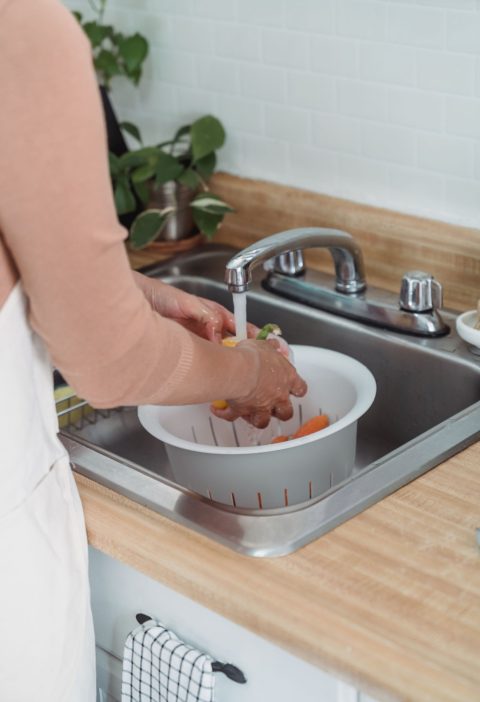
A snack that needs peeling, chopping and washing up may lose its appeal during a short break. Prepare only what removes a real obstacle. That might mean washing a couple of apples, putting a spoon beside the yoghurt or keeping a bowl ready for oats. Small practical changes are often enough.
Keep foods you want to choose where you can see and reach them. At home, give your regular snack ingredients an obvious place. At work, check what storage is available before buying chilled food. Follow storage instructions and keep perishable snacks refrigerated or properly chilled until you eat them.
You can also change how you serve packaged snacks. Put some in a bowl and sit down to enjoy them, rather than leaving an open packet beside another activity. This creates a clearer eating occasion and makes it easier to notice whether you want more. It does not turn the food into something forbidden.
Keep shopping decisions narrow
You do not need to inspect every product in the supermarket. Buy the ingredients for your chosen default and consider whether you need the usual quantity of your habitual packaged snack. Make that decision before you reach the aisle, while leaving room for foods you particularly enjoy.
If you compare packaged options, look beyond words such as natural, protein or plant-based. These describe particular features rather than the whole food. Compare similar products using the nutrition information, including sugar, salt and saturated fat, and consider what you will actually eat. An ingredient list provides context, but an unfamiliar ingredient name alone does not establish that a snack is unhealthy.
There is no requirement to replace an ordinary snack with a specialist bar or expensive ingredient. Familiar foods that suit your kitchen and preferences are a useful place to start.
Check whether your meals need attention
If you repeatedly arrive at snack time ravenous, changing the snack alone may miss the practical problem. Look at whether you have had enough opportunity to eat and whether your meals feel substantial. A rushed lunch that leaves you hungry may need more food, rather than a stricter rule about afternoon biscuits.
Consider including a starchy food, a source of protein and vegetables or fruit across your meals, with some fat for flavour and satisfaction. There is no need for every plate to look identical. If your schedule leaves a long gap between meals, a planned snack can be a sensible part of your day.
Keep enjoyment in the routine
Reducing ultra-processed snacks does not require replacing everything you like. Choose the packaged foods you particularly enjoy and give yourself space to eat them. Sharing biscuits with a friend or enjoying crisps with lunch can sit alongside a more varied everyday routine.
Avoid making homemade versions compulsory. Baking can be enjoyable, but homemade biscuits are still biscuits, and making everything yourself can add work without solving the original difficulty. Your most useful change might be serving fruit more often, buying fewer duplicate snack packets or planning a satisfying afternoon bite.
Review what worked and make it easier
After trying your chosen change for several ordinary days, ask whether it was tasty, convenient and enough to eat. If not, adjust it. Bring the snack earlier, choose a different texture or prepare less if food is being wasted. Keep the successful part before tackling another occasion.
Measure progress by a routine that works more often, rather than an empty cupboard or a perfect ingredient list. If you have a health condition that affects your food choices, ask your GP or a registered dietitian for individual advice. Otherwise, begin with one repeatable change and let it become familiar before adding another.