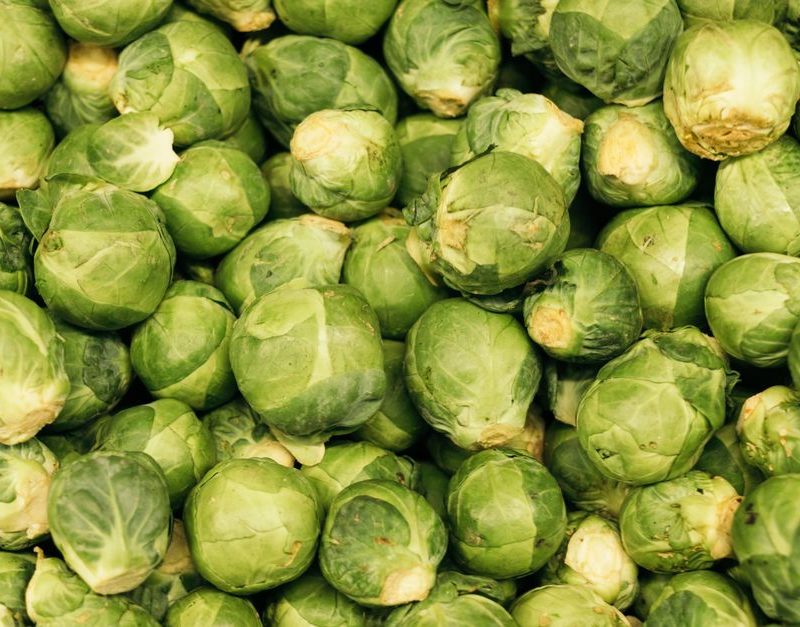
Brussels sprouts with chestnuts and lemon make a welcoming side dish with plenty of contrast: tender greens, sweet chestnuts and a bright citrus finish. Cooking them in a frying pan gives the sprouts golden cut edges while leaving the oven free for the rest of dinner. A brief covered stage softens the centres, then the chestnuts join the pan just long enough to warm through.
This version works alongside a roast, but it is equally useful with a jacket potato or a simple bean dish. You need no elaborate sauce. Olive oil, lemon and a little parsley bring the ingredients together without hiding their individual flavours.
Ingredients
Serves: 4 as a side dish. Preparation: about 15 minutes. Cooking: about 15 to 20 minutes.
- 600g Brussels sprouts
- 180g plain peeled, ready-cooked chestnuts, broken into large pieces
- 1 tablespoon olive oil
- 1 small garlic clove, finely chopped
- 3 tablespoons water, plus a little extra if needed
- 1 lemon, washed, for finely grated zest and 1 to 2 tablespoons juice
- 2 tablespoons chopped flat-leaf parsley
- A small pinch of salt, to taste
- Freshly ground black pepper
Choose plain cooked chestnuts rather than sweetened chestnut puree. Vacuum-packed chestnuts are convenient, and cooked chestnuts from a jar also work if drained well. This recipe assumes the chestnuts are already fully cooked. Raw chestnuts need separate preparation and cooking before you can use them here.
Prepare the sprouts for even cooking
Remove damaged outer leaves and trim just the dry end of each stalk. Avoid cutting deeply into the base, which holds the leaves together. Rinse the sprouts and dry them thoroughly with a clean tea towel. Excess water on the surface makes it harder to brown the cut sides.
Halve medium sprouts through the stalk and quarter particularly large ones. Very small sprouts can stay whole if that makes them closer in thickness to the other pieces. Similar thickness matters more than matching shapes, because it helps the whole pan become tender at roughly the same time.
Use a wide frying pan with a lid. Most of the cut surfaces should touch the base during browning. If your pan is small, brown the sprouts in two batches, dividing the oil between them, then bring everything together for the covered cooking stage.
Method
- Prepare the flavourings. Break the chestnuts gently into halves or large pieces. Chop the garlic and parsley. Finely grate the lemon zest, avoiding the bitter white pith, and squeeze the juice into a small bowl so you can add it gradually.
- Heat the pan. Put a large frying pan over a medium heat and add the olive oil. Once it flows easily across the base, arrange the sprouts with as many cut sides facing down as possible. Keep loose leaves towards the cooler edges to help prevent scorching.
- Brown the sprouts. Cook for about 4 to 6 minutes, checking an occasional piece rather than stirring constantly. Look for golden patches on the cut sides. Lower the heat if the leaves darken quickly or the oil starts smoking.
- Steam briefly. Turn the sprouts, carefully add the water and cover with the lid. Cook for 4 to 6 minutes. Test a larger piece with the tip of a knife: it should enter with a little resistance. If the pan dries out while the sprouts remain firm, add another tablespoon of water and cover briefly again.
- Add garlic and chestnuts. Remove the lid and let any remaining water evaporate. Lower the heat and clear a small space in the pan. Stir the garlic through the oil for about 30 seconds, then fold in the chestnuts. Cook gently for another 2 to 3 minutes, turning carefully, until the chestnuts are hot throughout.
- Finish with lemon. Take the pan off the heat. Add the lemon zest, 1 tablespoon of juice, parsley, a small pinch of salt and black pepper. Fold together, then taste a sprout with a piece of chestnut. Add more lemon juice or seasoning if needed and serve promptly.
Getting the texture you like
For tender centres
Judge doneness before adding the chestnuts. A larger sprout may need a little longer under the lid, especially if you prefer it soft throughout. Add water a tablespoon at a time rather than pouring in a large amount. You need enough steam to soften the centres without leaving the vegetables sitting in liquid.
For golden edges
Drying the sprouts and leaving them undisturbed during the first cooking stage make a difference. If they look pale, give the cut sides more contact with the pan before adding water. Golden patches are enough; trying to brown every surface can leave the outer leaves overcooked.
For chestnuts that hold their shape
Ready-cooked chestnuts vary in softness. Fold them in with a broad spoon and avoid vigorous tossing. A few crumbs will mingle pleasantly with the lemony juices, but larger pieces give a better contrast with the sprouts. Particularly soft chestnuts need only enough time in the pan to heat through.
Serving ideas for everyday meals
Serve this alongside roast chicken, baked fish or a lentil loaf, with potatoes or a cooked grain. The lemon gives the dish enough brightness that you can keep the other flavours simple. Put accompanying gravy or sauce on the table separately so everyone can decide how much to add.
For a vegetable-led lunch, spoon the sprouts and chestnuts over a jacket potato and add a little plain yoghurt. Alternatively, serve them with cooked barley and chickpeas in a warm bowl. Add any extra lemon juice gradually, tasting as you go so the finished meal does not become too sharp.
Simple variations
- Thyme: add half a teaspoon of fresh thyme leaves with the garlic for a more aromatic finish.
- Gentle heat: stir a small pinch of dried chilli flakes into the oil with the garlic.
- Different herbs: replace the parsley with chopped chives for a mild onion flavour.
- A richer finish: fold in a small knob of butter off the heat, before adding the lemon juice.
Keep the lemon addition gradual whichever variation you choose. Lemons differ in sharpness and juice yield, and the chestnuts bring their own sweetness. Tasting the ingredients together gives you a better guide than tasting the liquid in the pan on its own.
Preparing ahead and storing leftovers
You can trim and halve the sprouts the day before, then refrigerate them in a covered container. Store the chestnuts according to their pack instructions until needed. For the best texture, cook close to serving time and add the parsley and lemon just before bringing the dish to the table.
Cool leftovers promptly, refrigerate within two hours and eat within two days. Reheat only once in a frying pan with a small splash of water, turning gently until steaming hot throughout. A little fresh parsley or lemon juice added afterwards can freshen the flavour. Freezing will soften the sprouts and can make the chestnuts more crumbly, so refrigeration is the better option for a short wait.