Whole grains are easiest to enjoy when they have a clear job in a meal: catching a sauce, adding chew to a salad, or giving vegetables a satisfying base. You do not need to replace every familiar food or learn a collection of new recipes. Start with a meal you already like, then choose a whole grain whose flavour and texture belong alongside it.
The useful question is how all the ingredients will work together. Think about moisture, texture and seasoning as well as the main components. That turns a worthy-looking side dish into something you actually want to eat.
Give the grain a role
Whole grains retain the bran, germ and endosperm of the grain. They contribute fibre and a range of nutrients, but their usefulness in the kitchen matters too. Some are soft and comforting; others stay pleasantly chewy. Choosing for the dish makes them easier to include regularly.
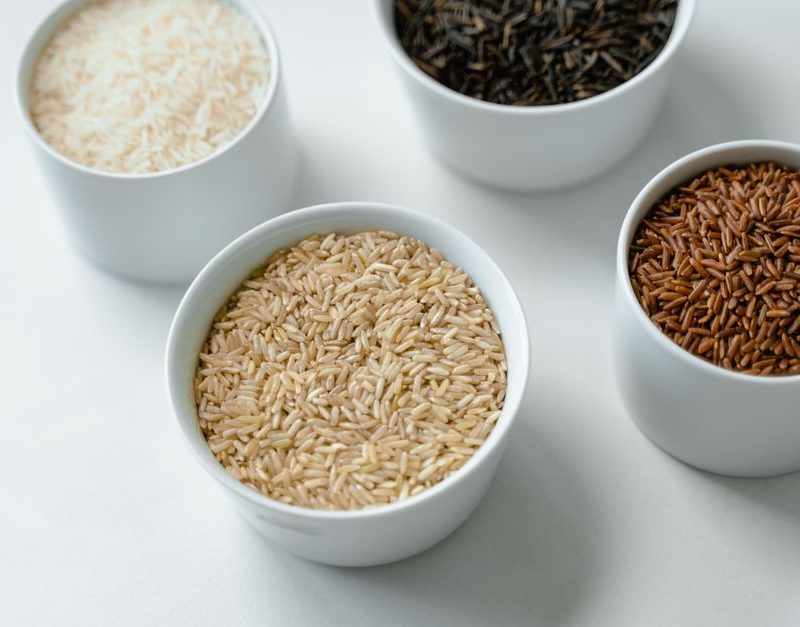
- For soaking up sauce: serve brown rice beneath a vegetable curry, a tomato-based stew or saucy chicken.
- For a substantial salad: use cooked wholegrain bulgur or quinoa with chopped vegetables and a dressing that reaches every forkful.
- For a quick assembled meal: use wholemeal bread or a wholemeal wrap to hold eggs, beans, fish or roast vegetables.
- For a soft, spoonable meal: build savoury porridge around oats, with mushrooms, greens and an egg.
Quinoa and buckwheat are technically seeds, often called pseudocereals, but serve a similar purpose in meals. You can use them alongside cereal grains without making the terminology part of dinner.
Build outwards from the base
A grain alone rarely makes a varied meal. Add vegetables, a source of protein and something that brings moisture or richness. These are useful prompts rather than a rigid formula: a stew may already contain several components, while a sandwich can combine them within its filling.
Add vegetables that behave differently
Pair something soft or juicy with something crisp. Roasted peppers and shredded cabbage work well together; so do cooked courgettes and raw radishes. If everything in the bowl is dry and chewy, adding more grain will not solve it. Tomatoes, wilted spinach or vegetables cooked in a little sauce can make the meal more inviting.
Include a protein food
Choose beans, lentils, tofu, eggs, fish, poultry or another protein food you enjoy. Consider how it will spread through the dish. Flaked fish, crumbled tofu or small beans can mingle with grains, whereas a larger piece of chicken may sit more comfortably beside them. Either arrangement works; aim for a meal that feels satisfying to you.
Finish with something connecting
A spoonful of yoghurt with lemon, a tahini dressing loosened with water, or the cooking juices from roasted vegetables can connect separate ingredients. Add gradually and taste. Grains should pick up the flavour without swimming in dressing, particularly if there is already a sauce elsewhere on the plate.
Match the grain to the flavour
Use each grain’s character to guide the rest of the meal. Brown rice has a mild, nutty flavour that works with ginger, sesame and mushrooms. Wholewheat pasta brings a firmer bite that suits roasted vegetables, olive oil and a little grated cheese.
Buckwheat has a more pronounced, earthy flavour. Try it with beetroot, dill and a yoghurt dressing, or soften its intensity with sweet roasted carrots. Wholegrain bulgur is useful when you want small grains that mingle easily with chopped herbs, cucumber and beans.
Wholegrain barley offers chew in brothy dishes and warm salads. Hulled barley retains more of the grain than pearl barley, which has had some outer layers removed. If you specifically want a wholegrain option, choose accordingly. Follow the packet for preparation rather than assuming the two behave identically.
Make familiar meals the starting point
You can introduce whole grains without changing a dish beyond recognition. Keep the seasoning and main ingredients familiar while adjusting the base. This is particularly helpful when people at the table have different preferences.
- Serve a favourite bean stew with brown rice, keeping its usual herbs and spices.
- Fill a wholemeal pitta with chicken, shredded lettuce and cucumber yoghurt.
- Pair a tomato and vegetable sauce with wholewheat pasta, adding a splash of pasta cooking water to help it coat the strands.
- Offer wholemeal toast alongside eggs and grilled tomatoes for a simple supper.
If a complete switch feels too abrupt, serve a little of the new grain alongside your usual accompaniment. Cook different grains separately when their timings differ. There is no need to force brown and white rice through the same cooking schedule to put them on the same plate.
Adjust texture before adding more ingredients
When a grain-based meal feels disappointing, identify what is missing. A dry bowl usually needs moisture. A soft bowl may need crunch. A heavy-tasting dish may benefit from lemon juice, vinegar or fresh herbs. These small adjustments often do more than adding another topping.
Warm grains absorb dressing readily, so start with a little and check again before serving. For a cold meal, taste at the temperature you intend to eat it: the balance may seem different once chilled. Keep delicate leaves and crisp toppings separate until serving if you want them to retain their texture.
Let appetite guide the amount of grain you serve. Start with an amount that looks comfortable alongside the other components, then have more if you want it. Whole grains do not need to crowd vegetables or protein foods off the plate to earn their place.
Keep a small, useful rotation
Choose two or three options that fit the meals you actually cook. That might be oats for breakfast or savoury bowls, brown rice for saucy dinners, and wholemeal bread for quick lunches. A small selection used regularly is more practical than a cupboard of unfamiliar packets.
Keep dried grains sealed and follow their storage instructions. Cook the amount you need when possible. If you save cooked grains, follow the packet’s instructions for cooling, refrigeration and reheating; rice in particular needs careful handling. Decide how you will store any extra before cooking a larger quantity.
Increase wholegrain foods gradually if you are unused to much fibre, and drink fluids regularly. If you have a condition that affects what you can eat, ask your GP or a registered dietitian for advice suited to you. Otherwise, begin with one familiar meal and a grain that improves it. That is a useful habit you can repeat.