Eating well when you work night shifts starts with making food fit the shift you actually have. Breaks may move, the canteen may close before midnight, and cooking can feel unappealing when you arrive home tired. A useful plan gives you something satisfying before work, manageable food for your breaks and an easy option before bed. It should also leave room for changes in appetite, workload and access to a kitchen.
Plan around waking, working and sleeping
Rather than worrying about whether a meal counts as breakfast or dinner, think about where it sits in your waking hours. Identify when you usually wake, when you can eat before leaving, your likely breaks and when you expect to sleep. These are practical anchors, even if the clock times look unusual.
Start with a substantial meal before work if that suits your appetite, then pack a lighter meal and a snack for later. There is no single timetable that works for every night worker. A physically demanding shift, a short break and a quiet desk shift can each call for different amounts and arrangements.
Avoid turning this into a rule that you must ignore hunger overnight. Equally, you do not need to eat at every break simply because food is available. Bring enough choice to respond to how the shift unfolds.
Make your pre-shift meal do some useful work
Eating before you leave gives you a chance to sit down to a proper meal without competing demands. Build it from familiar ingredients: a starchy food, a source of protein and some vegetables. Add a dressing, sauce or seasoning you enjoy so the meal feels worth making.
- For a warm meal: try a baked potato with beans and cooked greens.
- For something quick: have wholemeal toast with scrambled eggs and tomatoes.
- For a shared household dinner: eat the same chicken, tofu or lentil dish as everyone else, with rice and vegetables.
- For a smaller appetite: try a filled wrap now and pack another small portion for a break.
You do not need a separate menu because you work nights. Adjusting when you eat an ordinary household meal is often more realistic than cooking something entirely different. If a large meal feels uncomfortable before work, divide it into two smaller servings.
Pack food for the breaks you can actually take
A meal that needs several containers, assembly and a long microwave queue may be frustrating during a brief break. Choose food according to your facilities and time. Check whether the staff fridge and microwave are accessible overnight, rather than assuming daytime arrangements continue.
When you can heat a meal
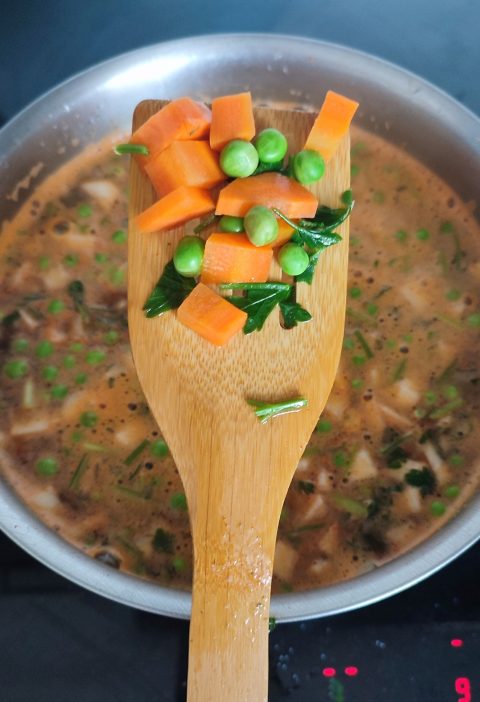
Vegetable soup with bread, a small portion of lentil stew or leftover pasta with beans can be straightforward options. Pack one serving in a suitable container. If reheating, make sure the food is steaming hot throughout and stir where possible so the middle heats evenly.
When you need something cold
A wholemeal sandwich, a hummus and vegetable wrap or a bean salad can work well. Choose fillings you know you enjoy when tired. Keep perishable food chilled, using the workplace fridge or an insulated bag with frozen ice packs during transport. An ordinary bag in a warm locker is not suitable cold storage.
When breaks are unpredictable
Pack food in separate portions so you can eat some without opening everything. A sandwich cut into halves, a piece of fruit and a small pot of nuts give you options across more than one break. Eat in an appropriate break area and follow your workplace rules on food and hygiene.
Keep a snack available without making snacks the whole plan
A planned snack is useful when your main break is delayed or your appetite changes. Pair foods you like rather than searching for a special night-shift product. Try yoghurt with fruit, oatcakes with cheese, or a banana with a small handful of nuts.
Keep a shelf-stable backup in your work bag if permitted: plain crackers, nuts or dried fruit are practical possibilities. Check allergen rules in shared workplaces. Rotate your backup occasionally so it remains something you would actually want to eat.
Biscuits or a slice of cake can still be part of a break. Having another option available means you can choose what satisfies you, especially when the shared biscuit tin is the only food nearby. There is no need to compensate by skipping your next meal.
Give drinks a place in the plan
Take water with you and drink regularly during permitted breaks. A bottle you can refill is useful where access allows it. If your role limits drinking in the work area, identify where you can leave a drink and when you can step away.
Think about caffeine in relation to your intended bedtime, rather than the time printed on the clock. If you use coffee or tea, having it earlier in the shift and choosing caffeine-free drinks later may make winding down easier. People vary in sensitivity, so notice whether late caffeine makes it harder for you to settle.
Energy drinks are not an essential part of working nights. Food, drinks and caffeine cannot replace sleep or make severe tiredness safe. Follow workplace fatigue procedures if you are struggling to stay alert.
Have a simple landing meal ready at home
Decide before leaving for work what you might eat when you return. If you are hungry, a small, familiar meal can be more appealing than starting a full cooked breakfast. Porridge, toast with an egg, or yoghurt with oats and banana are easy possibilities.
If rich or spicy meals leave you uncomfortable before lying down, keep those dishes for another part of your waking day. You do not have to force a large meal when you have little appetite. The aim is to have an option ready, so hunger does not send you searching through cupboards when you want to sleep.
Adapt the plan between runs of nights
Rotating shifts make rigid meal schedules difficult. Before each run, check your supplies and choose a few foods that work both at home and at work. Bread in the freezer, eggs, tinned beans, oats and frozen vegetables offer useful flexibility without requiring a long cooking session.
After a shift, note one practical change for next time: perhaps the meal was too large, your snack was useful or the microwave was unavailable. Adjust that detail instead of rebuilding the whole routine. On days off, return to meals that fit your waking hours and household plans without treating the previous shift as something to undo.
If you have a condition or take medication that affects eating times, ask your GP or a registered dietitian for individual advice. A workable night-shift routine should support your needs and your job, with enough flexibility for the nights that do not go to plan.