A good school lunch is one your child can open, manage and enjoy in the time available. It does not need elaborate shapes or a different menu every day. Start with familiar foods, add a little variety and pay attention to what actually gets eaten. These healthy lunchbox ideas for children focus on everyday school practicalities: manageable portions, appealing textures and combinations that work even when your child prefers foods kept apart.
Build lunch around a familiar main
Choose a starchy food such as bread, a wrap, pitta, pasta or potatoes, then include a protein food such as beans, egg, chicken or fish. Add vegetables and fruit, with a dairy food or suitable alternative where it fits. Think about balance across the whole day rather than expecting every box to contain a perfect arrangement.
Wholemeal bread and wholewheat pasta can bring variety, but a sudden change in every component may make lunch unfamiliar. Try a sandwich made with one slice of white bread and one slice of wholemeal, or introduce a new bread alongside a favourite filling. Keep the rest of the meal recognisable while your child gets used to it.
Water is a straightforward drink to pack. Check that your child can open the bottle, close it securely and refill it if needed. A bottle that leaks over lunch can undo even the most careful planning.
Five combinations to rotate through the week
Use these as starting points, adjusting the amount to your child’s age, appetite and usual eating pattern. Each main can be served as separate components if mixed foods are less appealing.
- Cheese and cucumber sandwich: use sliced or grated cheese with thin cucumber slices. Pack a peeled satsuma and a small pot of plain yoghurt alongside it.
- Chicken pitta pocket: fill a small pitta with cooked, chilled chicken and finely shredded lettuce. Add soft pear slices and cucumber pieces prepared appropriately for your child.
- Egg sandwich box: mash a fully cooked egg with a little plain yoghurt, then spread onto bread. Serve with cooked, cooled broccoli florets and a banana.
- Bean and sweetcorn pasta: combine cooked, cooled pasta with rinsed tinned beans, sweetcorn and a little olive oil. Add grated cheese if liked, with soft fruit on the side.
- Pick-and-mix lunch: pack pitta strips, a smooth bean dip, mild cheese and soft cooked vegetable pieces in separate compartments. Include apple prepared to suit your child’s chewing ability.
There is no need to follow the sequence rigidly. If the cheese sandwich comes home eaten and the pasta repeatedly returns untouched, repeat the sandwich while exploring pasta at home. Variety can happen through the filling, bread or accompaniments without changing the whole lunch.
Make separate components feel like a meal
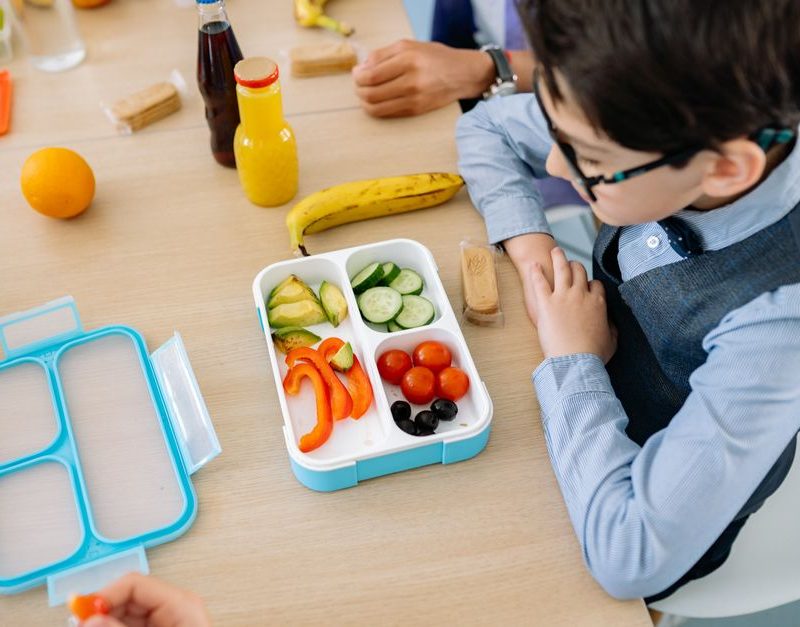
Some children enjoy a filled wrap; others find the same ingredients easier when they can see each one. A compartmented box can hold bread fingers, chicken pieces and vegetables separately. You can also use small reusable tubs inside an ordinary lunchbox. Check that lids are easy for your child to remove.
Keep wetter foods away from bread until lunchtime where practical. Drain sweetcorn thoroughly, pat washed vegetables dry and pack yoghurt in a secure pot. If a sandwich goes soggy, changing how you pack it may help more than changing the ingredients.
Try a simple test at home: pack the proposed lunch and let your child open and eat it independently at the table. You may discover that the wrap unrolls, a pot needs adult help or the fork is awkward. Fixing those details can make a familiar meal much easier at school.
Offer small choices without making another job
Invite your child to choose between two foods you already have: pitta or sliced bread, pear or satsuma, cheese or egg. Clear, limited choices give them a say while keeping preparation manageable. Older children can help fill a water bottle, select fruit or assemble their own sandwich.
Try unfamiliar foods at home first, where there is time to explore them. When you include something new at school, offer a small amount beside foods your child usually eats. Avoid replacing the whole lunch with unfamiliar ingredients or turning the returned box into a test they have failed.
Match portions to the child and the school day
Start with quantities similar to a lunch your child comfortably eats at home, then adjust using their feedback. Ask whether they felt hungry afterwards and whether they had enough time. A large box can look impressive but be difficult to finish during a short lunch break.
A little food coming home does not automatically mean the meal was unsuitable. Your child may have been distracted, less hungry or eager to join friends. Look for patterns over several days. If they regularly need more, increase the main or add another familiar component rather than relying on extra bits that are harder to manage.
Keep conversations neutral: asking whether the bread was too dry is more useful than asking why they did not finish everything. Avoid using dessert as a reward for eating vegetables. Lunch should offer food and a comfortable opportunity to eat it.
Check school policies and individual needs
Read the school’s food and allergy policy before settling on fillings or dips. Nuts, sesame and other ingredients may be restricted. Hummus often contains sesame, so check the label rather than assuming every bean dip is suitable. Follow any individual allergy plan and teach children to eat their own lunch without sharing.
Prepare foods for your child’s age and eating skills, particularly firm, round or slippery foods. Ask nursery or school staff about their food preparation guidance if you are unsure what is suitable. Children should sit down to eat, with supervision appropriate to their needs.
If allergies, a health condition or a very restricted range of accepted foods makes packing lunch difficult, ask your GP or a registered dietitian for advice tailored to your child.
Keep the daily routine simple
Prepare chilled components with clean hands and utensils, then refrigerate them until departure. Use an insulated lunch bag with a frozen ice pack for foods that need chilling, and use school refrigeration if available. Follow use-by dates and storage instructions.
Wash the lunchbox and drinks bottle after use and let them dry. Avoid saving returned perishable lunch for another day when you cannot be sure it stayed cold. Keep a short list of successful combinations on the fridge: a handful of reliable lunches, with small changes your child enjoys, is enough to make school mornings easier.