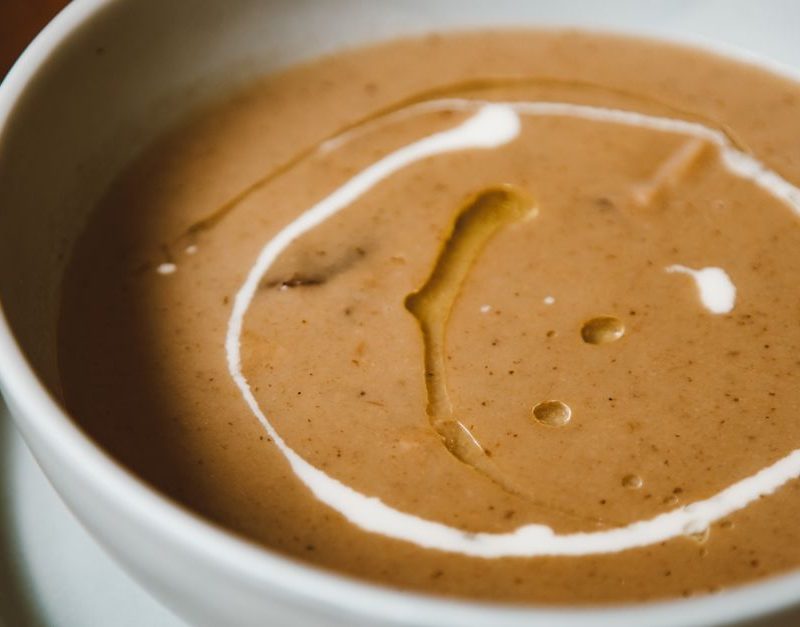
Cauliflower and Leek Soup is a mellow, savoury lunch that gets its smooth texture from the vegetables themselves. Slowly softened leeks bring sweetness, cauliflower gives the soup body, and a little milk rounds out the flavour. A squeeze of lemon at the end keeps each spoonful fresh without making the soup taste noticeably citrusy.
This recipe focuses on gentle cooking rather than roasting. Keeping the vegetables pale lets the leek flavour come through clearly, while blending the tender cauliflower creates a thick soup without potato or cream. Serve it simply with wholemeal toast, or add a crisp topping when you want a little contrast.
Cauliflower and Leek Soup
Serves: 4. Preparation: about 15 minutes. Cooking: about 30 minutes. You will need a large saucepan with a lid and a stick blender, or a jug blender suitable for warm liquids.
Ingredients
- 1 medium cauliflower, about 750 g before trimming, yielding roughly 600 g florets and tender stalk
- 2 medium leeks, about 300 g after trimming
- 1 tablespoon olive oil
- 2 garlic cloves, finely chopped
- 1 teaspoon fresh thyme leaves, or half a teaspoon dried thyme
- 750 ml vegetable stock, preferably reduced salt, plus extra if needed
- 150 ml semi-skimmed milk or unsweetened soya drink
- 1 to 2 teaspoons lemon juice, to taste
- Freshly ground black pepper
- Salt, only if needed after tasting
- 2 tablespoons chopped chives or flat-leaf parsley, to serve
Method
- Remove the cauliflower leaves and cut away the woody base. Cut the florets into small, evenly sized pieces. Peel any tough outer skin from the tender stalk, then chop the centre slightly smaller than the florets so it cooks at a similar rate.
- Trim the roots and tough dark green tops from the leeks. Split the white and pale green sections lengthways and wash thoroughly between the layers. Slice into thin half-moons and drain well.
- Warm the olive oil in a large saucepan over a medium-low heat. Add the leeks and cook for 10 to 12 minutes, stirring regularly, until soft and glossy. Avoid browning them. If they begin to catch, lower the heat and add a tablespoon of water.
- Add the garlic and thyme and stir for one minute. Tip in the cauliflower florets and chopped stalk, then stir everything through the softened leeks.
- Pour in the stock and bring to a gentle simmer. Cover loosely and cook for 15 to 20 minutes, stirring occasionally, until the cauliflower breaks apart easily when pressed with a fork. Allow a few more minutes if any pieces remain firm.
- Remove the pan from the heat and let the bubbling stop. Blend until smooth with a stick blender, keeping its blade submerged to prevent splashes. If using a jug blender, follow its instructions for warm liquids, blend in small batches and allow steam to escape as directed.
- Return the soup to a low heat and stir in the milk or soya drink. Warm gently, then add extra stock or water a splash at a time if you prefer a thinner consistency.
- Add one teaspoon of lemon juice and a little black pepper. Taste before adding further lemon or salt. Spoon into warm bowls and finish with the chopped herbs.
How to get a smooth texture
The cauliflower needs to be properly tender before blending. A fork should slide through the stalk pieces as easily as the florets. If you stop cooking while the vegetables are still firm, even a powerful blender may leave the soup with a slightly grainy texture.
If that happens, return the soup to the saucepan with a splash of water and simmer gently for a few more minutes. Stir frequently, as blended soup can catch on the bottom. Take it off the heat before blending again.
Cauliflowers vary in size, and different pans lose different amounts of steam. Start with the measured stock rather than adding lots of extra liquid immediately. Once blended, loosen the soup gradually until it falls easily from a spoon but still feels substantial.
Give the leeks time
Leeks often trap grit between their layers, even when the outside looks clean. Splitting them before washing makes it easier to find and rinse away any soil. Use the pale green sections as well as the white parts, trimming away anything tough or damaged.
The initial cooking stage is where much of the flavour develops. You are looking for soft, collapsed leeks rather than crisp or browned edges. Gentle heat draws out their sweetness and keeps the finished soup mild. If your hob runs hot, move the pan to a smaller ring and stir more often.
What to serve alongside
A smooth soup works well with something crisp or chewy. Choose one topping or accompaniment according to your appetite and what you already have in the kitchen.
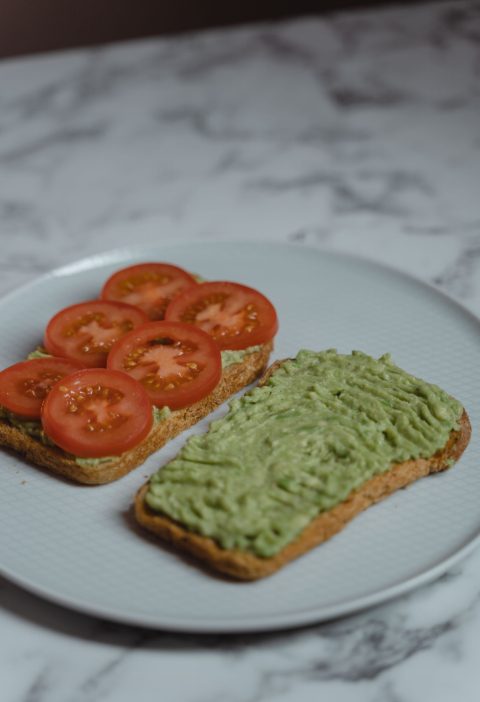
- Wholemeal toast: serve in fingers for dipping, or cut into small cubes and toast with a little olive oil for croutons.
- Toasted seeds: warm pumpkin or sunflower seeds in a dry frying pan, shaking regularly, then scatter a spoonful over each bowl.
- Grated Cheddar: add a small handful just before serving. Taste the soup first, as the cheese adds seasoning of its own.
- Something more substantial: serve with an egg sandwich or toast topped with mashed white beans and parsley for a fuller lunch.
Simple variations
Make it dairy-free: choose the unsweetened soya drink and check that your stock and accompaniments suit your needs. An unflavoured drink is essential here; vanilla or sweetened alternatives would change the savoury character.
Add a mustard finish: stir in one teaspoon of Dijon mustard with the milk. Taste before adding lemon, as you may want less acidity. Check the mustard ingredients if you are cooking for someone with an allergy.
Leave it partly textured: reserve a ladleful of the cooked vegetables before blending. Mash them lightly with a fork and return them to the smooth soup for small, soft pieces in each bowl.
Storage and reheating
Cool leftovers promptly, dividing the soup into smaller containers to help heat escape. Refrigerate within two hours and use within two days. Store any crisp toppings separately so they keep their texture.
For longer storage, freeze cooled portions in suitable containers, leaving room for expansion. Use within three months for best quality and defrost in the fridge before reheating. A little separation after thawing can usually be corrected by stirring as the soup warms.
Reheat only the amount you plan to eat, stirring regularly until steaming hot throughout. Add a splash of water if the soup has thickened. Fresh herbs and a final taste of lemon will bring the flavour back into focus before you sit down to eat.