A useful bag snack needs to survive the journey, be easy to open and still look appetising when you find it beside your keys. Whether you carry a handbag, rucksack or work tote, choosing food that suits the space available makes eating between meals much simpler.
Healthy Snacks to Keep in Your Bag is about practical choices for ordinary days: sturdy fruit, dry savoury options and combinations that need little preparation. You do not need an elaborate snack collection. A couple of dependable choices, packed properly, can be enough.
Give your backup snack a proper home
Separate food you carry as a backup from fresh snacks you pack for today. An unopened packet of crackers might stay in your bag according to its storage instructions. A banana needs taking out when you get home, rather than being forgotten over the weekend.
Choose one pocket or a small washable pouch for food. Keeping snacks together makes them easier to find and protects them from loose receipts and other bag clutter. Avoid placing food beside anything that could leak, including hand cream and toiletries.
Check your backup regularly. Look at the date, make sure the packaging is intact and follow any instructions about storage after opening. A packet that has been crushed or left in a hot car is a poor substitute for a fresh supply.
Start with fruit that travels well
Apples and satsumas are convenient because you can carry them whole. A firm pear can work too, provided it will not sit underneath a laptop. Wash fruit where appropriate before packing, dry it well and use a clean container or washable pouch.
Bananas need protection from heavier belongings. Put one near the top of your bag or use a rigid container. Choose ripeness to suit when you expect to eat it; very soft fruit is unlikely to arrive in good condition after a long commute.
Think about the remains as well. A small empty tub can hold peel or an apple core until you find a bin. This makes fruit much easier to manage on public transport or between appointments, when there may be nowhere convenient to leave rubbish.
Choose dry snacks for longer days
Unsalted nuts
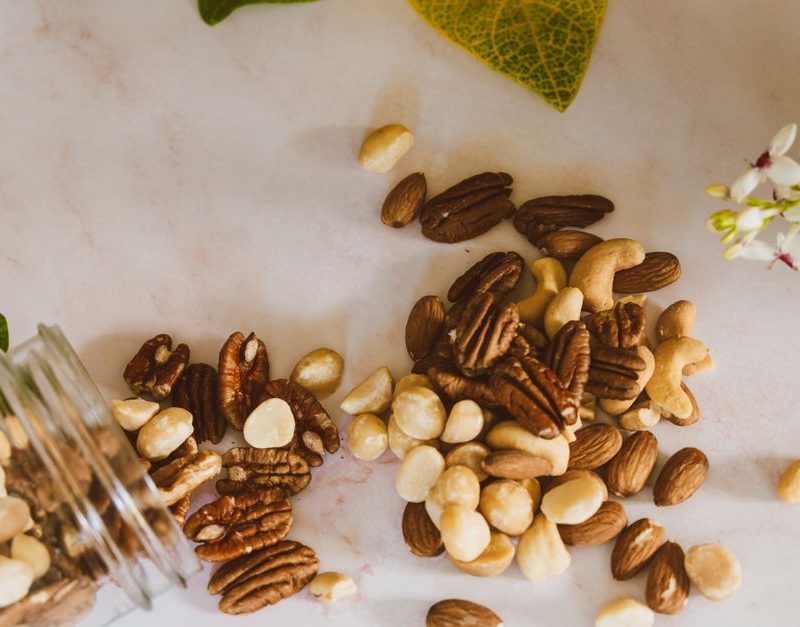
A small handful of unsalted nuts is a straightforward adult snack. Choose almonds, walnuts, cashews or another type you enjoy. A clean tub with a secure lid protects them from crumbs and moisture, and is easier to reseal than a torn packet.
You do not need a special mixture. Nuts contribute fibre and offer a different texture alongside fruit. Follow their storage instructions and wash and dry the container between refills instead of repeatedly topping up an old supply.
Oatcakes and wholegrain crackers
Plain oatcakes and wholegrain crackers suit days when you want something savoury. Pack a few in a small rigid box so they arrive as crackers rather than crumbs. Fragile crispbreads need particular care in a crowded bag.
Choose something you enjoy eating without a topping. If you only like a particular cracker with cheese or a dip, it may be better for days when you can keep those additions properly chilled. Your emergency snack should be appealing by itself.
Plain popcorn
Plain popcorn provides a crisp option, although it takes up more space than nuts or crackers. Keep it in an airtight container and protect it from damp. Simple flavours are often easier on the move because heavy seasoning can leave powder on your hands and belongings.
Combine foods when you want something more substantial
A snack does not have to become a miniature meal. Sometimes a piece of fruit is enough; on a longer afternoon you may prefer two things together. Different textures can make a simple packed snack more enjoyable without adding much preparation.
- Apple and unsalted nuts: carry each separately so the nuts stay dry.
- Satsuma and oatcakes: protect the oatcakes in a box and keep somewhere for the peel.
- Pear and wholegrain crackers: choose firm fruit and place it above heavier items.
- Banana and plain popcorn: give both enough space to avoid bruising and crushing.
Adjust the amount to your appetite, activities and usual meals. These are ideas rather than rules about how much you should eat. If your plans regularly leave you without lunch, a proper packed meal is likely to be more helpful than continually adding extra snack packets.
Keep refrigerated snacks genuinely cold
Yoghurt, cheese, houmous and other foods labelled for refrigeration need suitable cold storage. An ordinary handbag pocket does not provide that. Use an insulated bag with frozen ice packs, and put the food in a fridge when you arrive if one is available.
Pack chilled food straight from the fridge shortly before leaving. Keep the insulated bag closed as much as possible and away from heat and direct sunlight. Follow storage instructions and use-by dates. Insulation slows warming but does not replace refrigeration indefinitely.
With proper cooling, plain yoghurt with fruit or vegetable sticks with houmous can add variety. Pack dips in a tightly closing container and remember a spoon if needed. When reliable cooling is unavailable, choose whole fruit and suitable dry foods instead.
Do not rely on smell or appearance to decide whether refrigerated food has remained safe. Make the cooling arrangements before choosing the snack, rather than hoping a cool morning will be enough for the whole day.
Consider where you will actually eat
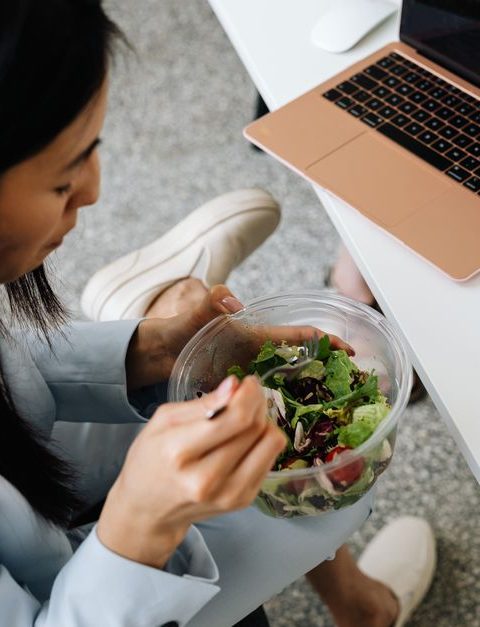
A snack that works at a desk may be awkward on a crowded train. Think about clean hands, somewhere to sit, any utensils you need and where the packaging will go afterwards. Food you can open comfortably is more useful than a complicated combination you keep putting off eating.
Check allergy policies in workplaces, schools and shared spaces. Some settings restrict nuts. If you have an allergy, check ingredients and any relevant precautionary labelling rather than assuming a familiar-looking product is suitable. Seeds are not automatically a safe alternative for everyone.
These suggestions are intended for adults. Whole nuts are unsuitable for children under five because of choking risk. For advice tailored to a specific health condition or dietary need, speak to your GP or a registered dietitian.
Make tomorrow’s snack easy to remember
Start with two options you already like, such as apples and oatcakes. Keep clean containers near your usual bag so packing takes little thought. You can vary your choices later once you know what travels well and what you actually want to eat.
When you get home, remove fresh leftovers, empty rubbish and wash used tubs. Before leaving again, check your backup and add today’s fresh choice. If something repeatedly comes home uneaten, try something else. Your bag snack should fit your day and still appeal when you are ready for it.