A healthy store cupboard gives you somewhere to start when fresh food is running low and dinner needs to happen. It does not need to contain every grain, spice or pulse you have ever seen in a recipe. The most useful collection is one that suits your appetite, your cooking habits and the space you actually have.
Think of it as a small set of ingredients that work together. A packet of pasta is a start; pasta alongside a tin of fish, some vegetables and a familiar seasoning gives you the beginnings of a meal. Choosing those connections makes stocking up more useful than simply collecting foods with a healthy reputation.
Decide what earns a permanent place
Begin with the meals you already enjoy. If porridge is a regular breakfast, oats have an obvious role. If you rarely cook anything that needs a long simmer, tinned pulses may suit you better than large bags of dried beans. There is no need to buy ingredients for an imaginary version of your routine.
Before giving something a permanent place, name two ways you would use it. Chickpeas could become a sandwich filling or join a vegetable pan. Couscous could accompany roasted vegetables or form the base of a lunch. If you can only imagine one complicated recipe, buy it when you make that dish rather than treating it as a staple.
Choose a few meal foundations
Keep a small selection of starchy foods with different practical uses. Oats, wholewheat pasta and couscous might cover breakfast, a familiar dinner and a meal that needs little cooking. Wholegrain choices provide fibre, but you do not need several varieties of every food to make your cupboard worthwhile.
Consider how long each food takes to prepare. Brown rice may suit evenings when you have more time, while a plain ready-cooked grain pouch can help when you need something sooner. Follow its instructions, including how to store it after opening.
- A breakfast foundation: oats or a cereal you enjoy.
- A dependable dinner ingredient: pasta, rice or another familiar grain.
- A quick alternative: couscous, noodles or a plain grain pouch.
Start with one option from each role. Add another when you find yourself regularly wanting it, rather than buying a complete range at once.
Stock protein foods you can use easily
Beans, lentils and chickpeas fit many different meals. Tinned versions need little preparation, while dried red lentils can soften into soups and sauces. Follow packet instructions for dried pulses: different types need different preparation, so they are not always interchangeable.
It can help to choose contrasting textures. Butter beans can stay distinct in a vegetable pan, while red lentils can thicken a sauce. That gives you two useful results without needing a cupboard full of varieties.
If you eat fish, a few tins of sardines, salmon or tuna offer another starting point. Choose what you like eating and can imagine serving. Nut or seed butter can also be useful for toast or sauces where allergies allow. None of these foods needs to appear in every meal.
Include vegetables and fruit that can wait
Tinned vegetables are handy when you have not been shopping. Tomatoes are useful if you regularly make sauces, but consider another option that adds a different texture, such as sweetcorn, carrots or roasted peppers. Choose vegetables in water without added salt where available, and fruit in juice rather than syrup.
Give each item a likely destination. Sweetcorn could go into rice or a jacket potato filling. Tinned peaches could accompany porridge or yoghurt. Peppers could brighten couscous or a sandwich. Food earns its place by being something you will use, not simply something that looks sensible on a shelf.
Your cupboard does not have to supply every part of dinner. Its ingredients can support whatever fresh or frozen vegetables you have, making it easier to put a varied meal together.
Add a few ingredients that finish a meal
Basic foods are easier to enjoy when you have something to dress, moisten or season them. Keep a cooking oil you use regularly, a vinegar you like and perhaps mustard or a familiar paste. A short collection is easier to use than a row of opened jars waiting for special occasions.
Choose extras that connect with your staples. Mustard and vinegar can dress beans, peanut butter can become a noodle sauce, and tomato purée can enrich a vegetable pan. Add water gradually when loosening a thick paste so you can control the texture.
Keep dried seasonings that match your usual cooking. A favourite herb blend and a couple of spices may be plenty to begin with. Taste as you cook before adding more salt, especially when other ingredients already bring seasoning.
Check that your cupboard contains combinations
Before you consider your collection complete, imagine making something from it. Several appealing products do not necessarily add up to lunch. Look for combinations that need only the fresh or chilled ingredients you normally have.
- Oats, tinned fruit and seeds: a breakfast starting point with milk or a suitable alternative.
- Pasta, tinned fish and peppers: a simple dinner with vegetables alongside or stirred through.
- Couscous, chickpeas and sweetcorn: a quick bowl finished with a dressing.
- Red lentils, tomatoes and a familiar seasoning: the beginnings of a thick soup or sauce.
These are combinations to guide your choices rather than fixed recipes. Follow cooking instructions and adjust them to your tastes. If an ingredient always requires several unusual purchases before you can use it, consider whether something more versatile would serve you better.
Keep quantities realistic
There is no correct number of tins or packets for every household. Begin with what you expect to use between shopping trips, with a little flexibility for an unexpected meal. Smaller packs can make sense if you cook alone or use an ingredient occasionally. A larger bag is useful only if you comfortably work through it.
When something runs out, notice whether it helped you cook. Replace dependable favourites and pause before replacing products you struggled to use. Your cupboard can change as your tastes and routines change; it does not need to remain a fixed shopping list.
Make everything ready for its next use
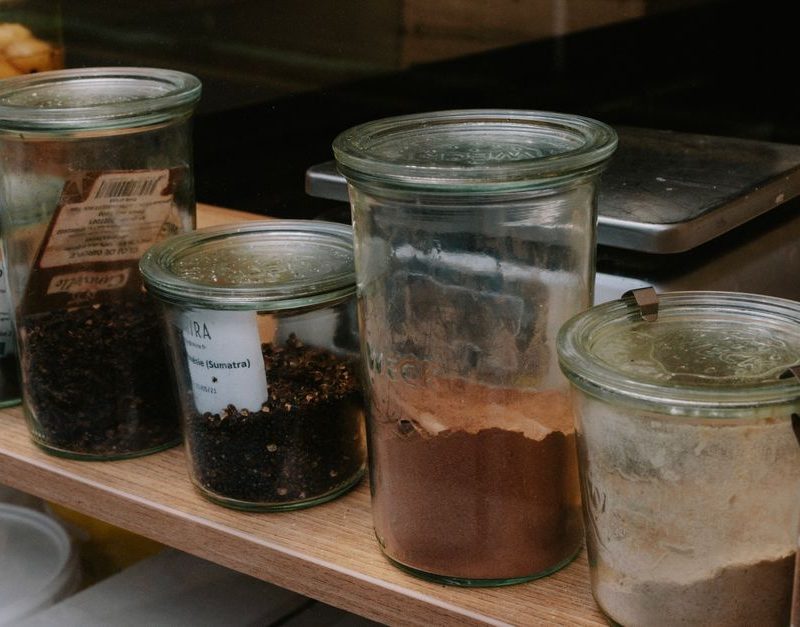
Store dry ingredients in a cool, dry place and follow packaging instructions. Close packets securely, keep food separate from cleaning products and retain cooking instructions when transferring anything into a container. Empty and clean containers between batches rather than continually topping them up.
Remember that a product sold on an ordinary shelf may need refrigeration once opened. Follow the label and choose pack sizes that make its instructions manageable. A small jar you finish is often more practical than a large one you repeatedly struggle to use.
Start with a handful of foods that make several meals possible, then expand when a clear need appears. A useful cupboard makes everyday cooking feel more achievable. If you need dietary advice for a specific health condition, ask your GP or a registered dietitian for individual guidance.